TikTok ad hooks: 35 openers that feel native
Want TikTok video ad hooks that sound like a creator made them, not a brand reading from a script? I shaped this guide with TikTok’s creative rules, Zeely AI workflows, and practical tiktok ad hooks I’d use to make product ads feel native.
A strong TikTok ad hook gives small brands a faster way to test what buyers care about. It shows the product, names the problem, and sets up the reason to watch in one clean opening. Start with a useful visual, a simple caption, or a creator-style line. Then test several tiktok ad hooks in batches instead of betting on one idea.
TikTok ads don’t fail just because the product needs more polish. They often fail because the opener feels like a sales pitch too soon. In this guide, I’ll walk through tiktok ad hook examples by category, format, pacing, and creative test plan, so you can find the opener your buyers notice.
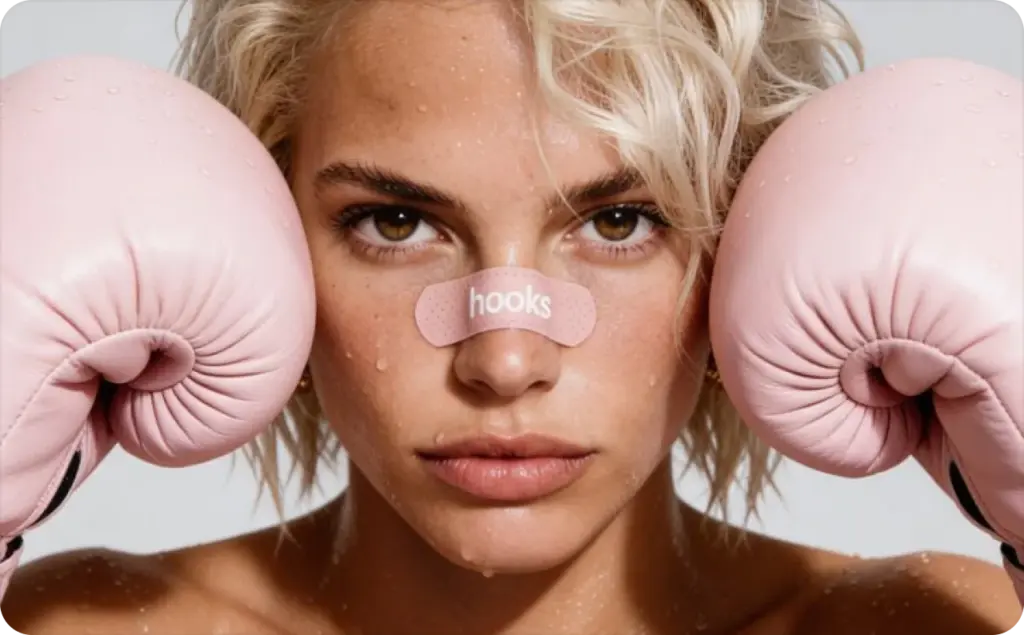
TikTok ad hooks in 2026: what the first 3 seconds must do
The first three seconds are not where you “introduce the brand.” They’re where you earn permission to keep talking.
TikTok’s own creative guidance says to introduce the content proposition in the first 3 seconds, prioritize the hook in the first 6 seconds, and use captions or text overlays to give context. TikTok also recommends 5 to 10 words per second when using text, which matters because many viewers decide before the voiceover finishes.
That means your first 3 seconds TikTok ads opener should answer one tiny question:
“Why should I keep watching this?”
For most small brands, the answer comes from one of four signals:
- A visible product in use
- A plain-spoken problem
- A surprising before moment
- A creator-style recommendation
Open your latest TikTok ad and pause at second one. If the viewer can’t understand the category, problem, or promise without sound, the hook is too slow. Read now about scroll-stopping hooks.
The first frame should carry the hook
Your first frame needs one main idea. Not a logo, slogan, discount, subtitle, and product grid all at once.
Use this simple frame rule:
Frame 1: show the product or problem
Caption: add the reason to care
Motion: create a tiny pattern break
Voiceover: say the line like a real person
Example for a skincare product:
On-screen text: “My makeup kept separating by lunch.”
Visual: close-up of patchy foundation
Voiceover: “I thought it was my foundation, but it was my prep.”
That feels native because it starts inside a real moment. It doesn’t announce, “Introducing our hydrating primer.”
Your first 6 seconds need a mini-story
TikTok notes that hooks should be prioritized in the first 6 seconds to lift engagement and watch time. I’d treat those six seconds like a tiny story, not a cold open.
Use this timing:
- 0.0 to 1.0s: pattern break
- 1.0 to 3.0s: product, problem, or promise
- 3.0 to 6.0s: proof that the viewer should keep watching
Example:
0.0s: creator holds messy drawer
1.5s: “This $12 divider fixed my junk drawer problem.”
4.0s: fast before-and-after cut
That’s enough. You don’t need a cinematic intro. You need clarity.
Hooks for TikTok ads that actually fit the feed
The best hooks for TikTok ads borrow TikTok’s normal grammar. They feel like comments, discoveries, POV moments, quick demos, or creator recommendations.
TikTok’s creative advertising guide says ads should use motion, camera shifts, fast cuts, expressive voiceovers, captions, and on-screen text so the story lands even without sound. It also says TikTok creative should feel native, human, and not too perfect.
Here are the hook types I’d start with.
Comment-led TikTok ad hooks
This format looks like a reply to a real buyer question.
Use it when your product solves doubt, confusion, or comparison.
Examples:
- “Someone asked if this works on oily skin.”
- “Replying to the person who said this looked too small.”
- “Here’s what I’d buy if I had 10 minutes to get ready.”
Why it works: it feels like a conversation already started.
POV hooks for TikTok ads
POV hooks work when the buyer can see themselves in the scene.
Examples:
- “POV: your closet has clothes, but no outfits.”
- “POV: you need dinner ready before the kids melt down.”
- “POV: your client asks for edits at 9 p.m.”
Why it works: it starts with identity, not features.
“I found this” TikTok hook ideas
This is strong for product discovery, Amazon-style finds, beauty, home, fashion, and low-ticket impulse buys.
Examples:
- “I found the easiest way to clean this corner.”
- “I found a work bag that actually fits my laptop.”
- “I found a tiny app that cuts my admin time.”
Why it works: discovery feels native to TikTok browsing.
Problem in plain speech
This is the cleanest hook type for services, apps, and local businesses.
Examples:
- “Your landing page isn’t the problem. The first offer is.”
- “If your car still smells after cleaning, check this spot.”
- “Most small brands film the product too late.”
Why it works: it sounds like advice, not a pitch.
Demo-first hooks
Start with the product already doing the thing.
Examples:
- “Watch this stain lift in 8 seconds.”
- “I’m timing how long this setup takes.”
- “Here’s the difference after one coat.”
Why it works: proof arrives before persuasion.
Shock or curiosity hooks
Use these carefully. The claim must be true and visible.
Examples:
- “I didn’t expect the cheap one to win.”
- “This looked fake until I tried it.”
- “I wasted $80 before finding this.”
Why it works: curiosity buys attention, but proof keeps it.
Creator recommendation hooks
This format works best when the speaker sounds specific.
Examples:
- “I’d skip the expensive version and get this.”
- “As a hairstylist, this is what I’d use at home.”
- “I don’t recommend many apps, but this one saves time.”
Why it works: the viewer feels guided, not sold.
TikTok ad hook examples by niche and use case
Now let’s turn formats into usable TikTok ad hook examples.
Pew Research Center reported in 2026 that 37% of U.S. adults use TikTok, up from 21% in 2021. Among adults under 30, 63% say they use the platform. That’s why your hook has to speak like a person in the feed, not like a banner ad.
Use these scripts as starting lines. Then add your product, proof, and CTA.
Beauty TikTok hooks for products
- “My makeup kept separating, so I changed one step.”
- “This is what I use when my skin looks tired.”
- “I tried the viral glow test on my own face.”
- “If your concealer creases, watch this side first.”
- “I stopped using three products after finding this.”
- “This is the routine I’d do before a photo day.”
- “I didn’t expect this shade to work on me.”
Fashion TikTok video ad hooks
- “POV: you need one outfit for three different plans.”
- “This bag looks small, but watch what fits.”
- “I found jeans that don’t gap at the waist.”
- “Three ways I’d style this under $50 piece.”
- “This is why your basics don’t look finished.”
- “I wore this set for errands and dinner.”
- “If you hate stiff workwear, try this instead.”
Home product TikTok ad hooks
- “This corner always looked messy until I used this.”
- “I cleaned the whole sink area in under a minute.”
- “If your drawer eats everything, watch this.”
- “This tiny thing made my rental kitchen feel calmer.”
- “I didn’t know this was why my room looked cluttered.”
- “Watch me fix this annoying bathroom problem.”
- “This is the easiest before-and-after in my house.”
Service business TikTok hook scripts
- “Most clients call me after this mistake.”
- “Here’s why your quote might be higher than expected.”
- “Before you book anyone, check these three things.”
- “I’m going to show you what a rushed job looks like.”
- “If your project keeps getting delayed, this may be why.”
- “This is what I’d ask before hiring a pro.”
- “One small fix can prevent a much bigger bill.”
Apps and SaaS TikTok hook ideas for ads
- “I used to do this manually every Friday.”
- “This app saves me from rewriting the same message.”
- “If your team loses leads, check this screen.”
- “Here’s how I plan a week in 20 seconds.”
- “I tested the free version before upgrading.”
- “This is what changed after I automated reminders.”
- “I’d use this if I had no time to learn software.”
TikTok video opener ideas: pacing, captions, and safe zones
A hook can be smart and still fail if people can’t read it. This is where tiktok video opener ideas become production rules.
First frame formula for TikTok ad hooks
Use this layout:
Top third: short context line
Center: product or face
Bottom third: keep clear for captions and CTA
Right edge: keep clear for buttons and icons
Good on-screen text examples:
- “This fixed my 3 p.m. skin crash”
- “I timed the setup”
- “I tried the cheaper one”
- “This is why your ads look like ads”
- “Before you buy the big version”
Keep the line short. A five-word caption usually beats a crowded sentence.
Subtitle timing that keeps the hook readable
Put the first caption on screen immediately. Don’t wait for the voiceover to catch up.
Use this rhythm:
- Caption appears at 0.0 seconds
- Voiceover starts by 0.5 seconds
- First cut lands by 1.5 seconds
- Product proof appears by 3 seconds
If you’re using spoken audio, make the subtitle match the first spoken line. If your text says one thing and your voice says another, the viewer works too hard. You may also like to read about hooks that sell.
Cut speed for native TikTok video hooks
For most ads, your first six seconds should include two to four visual beats.
Example:
- Beat 1: messy problem
- Beat 2: product enters
- Beat 3: close-up demo
- Beat 4: early result
Don’t cut so fast that the product disappears. The product needs to be visible enough for the viewer to understand what’s being sold. Read about video hooks that sell.
6-second script storyboard
Use this for any tiktok ad hook script:
0 to 1 second: close-up of problem
On-screen text: “This kept happening.”
1 to 3 seconds: product enters
Voiceover: “So I tested this.”
3 to 5 seconds: proof shot
On-screen text: “Before vs after.”
5 to 6 seconds: reason to stay
Voiceover: “Here’s what surprised me.”
That gives your ad a native opening without hiding the sell.
CTA timing for TikTok ads without killing the hook
A CTA belongs after the viewer understands why the product matters.
TikTok’s business blog recommends a hook, body, and close structure. It also says 90% of ad recall is captured within the first six seconds, so the value needs to show early.
I would not open with “Shop now” unless the offer is the hook. Most TikTok ads need a softer start.
CTA timing by ad length
For a 9-second ad:
- 0 to 3 seconds: hook
- 3 to 6 seconds: proof
- 6 to 9 seconds: CTA
For a 15-second ad:
- 0 to 3 seconds: hook
- 3 to 10 seconds: demo or reason
- 10 to 15 seconds: CTA and offer
For a 30-second ad:
- 0 to 3 seconds: hook
- 3 to 15 seconds: story, demo, proof
- 15 to 24 seconds: objection or comparison
- 24 to 30 seconds: CTA
Native CTA examples for TikTok ads
Use a CTA that sounds like the video, not a checkout banner.
Good examples:
- “I linked the exact one I used.”
- “Try it before your next busy morning.”
- “Start with the smallest size first.”
- “Save this before your next client call.”
- “Check the color chart before ordering.”
For services:
- “Book the quick check first.”
- “Send the photo before you guess.”
- “Start with the free quote.”
For apps:
- “Try this with one workflow first.”
- “Test it on your weekly admin task.”
- “Use the free version before you commit.”
Too polished vs native TikTok comparison
Too polished:
“Introducing the ultimate productivity solution for busy teams.”
Native:
“I used to lose 20 minutes every morning finding the same update.”
Too polished:
“Transform your skincare routine with our advanced formula.”
Native:
“My foundation kept peeling until I changed this step.”
Too polished:
“Upgrade your home with our premium storage organizer.”
Native:
“This drawer made me angry every morning.”
The native version wins because it starts where the buyer already lives.
Mistakes that make TikTok ads feel like ads
The most common hook mistake is making TikTok carry copy that was written for Meta, a website banner, or a product page.
TikTok Creative Center gives advertisers a way to study top ads, trending hashtags, creators, songs, and product ideas by region and vertical. I’d use it before writing hooks, because TikTok grammar changes faster than your brand guidelines.
Here are the mistakes I’d fix first.
Mistake 1: the first frame is a product packshot
A product-only first frame can work, but only if something happens.
Weak:
Product on white background.
Better:
Product entering the messy scene it fixes.
Best:
Product used in a clear before-and-after moment.
Mistake 2: the hook uses ad language
Avoid lines like:
- “Say goodbye to…”
- “Meet the revolutionary…”
- “Unlock your full potential…”
- “Take your business to the next level…”
These lines feel copied from a landing page.
Use plain speech instead:
- “I kept buying the wrong one.”
- “This took less time than I expected.”
- “Here’s what I wish I knew first.”
- “I tried this because the expensive one failed.”
Mistake 3: the caption repeats the voiceover too late
If the caption appears after the hook, it’s late. TikTok moves fast, and the text overlay needs to help immediately.
Better first line:
On-screen text: “I tested this on oily skin.”
Voiceover: “I wanted to see if it would last past lunch.”
The caption sets context. The voice adds texture.
Mistake 4: the ad looks too clean for the format
TikTok doesn’t punish quality. It punishes distance.
If the lighting, camera, and script feel too staged, add one human detail:
- A hand enters the frame
- A real room stays visible
- The creator reacts naturally
- The product is used, not posed
- The first line sounds unscripted
Clean is fine. Lifeless is not.
Mistake 5: one hook gets tested like it is the whole idea
One hook can fail for many reasons. The idea may still be good.
Test three hook directions before killing the concept:
- Problem hook
- Demo hook
- Creator recommendation hook
If all three fail, the offer or product angle may need work.
Internal reading: for broader creative patterns, use what works on TikTok ads. For creator-led angles, use UGC hook scripts. If you also run Meta, compare your opener with Meta hook rate.
Test TikTok ad hooks in batches with Zeely AI
Testing hooks one by one is slow. You learn faster when you test hooks in small batches, because you can see which format actually creates a stop.
Emplifi’s 2026 social media marketing report says 73% of marketers believe short-form video will dominate content plans in 2026, while 82% say AI tools have made them more productive. I’d treat that as a clear production signal: you need more clean variations, not one “perfect” TikTok ad.
Here’s the batch I’d test first.
Creative roadmap for TikTok ad hooks
Make 9 hook variations from one product:
- 3 problem hooks
- 3 demo-first hooks
- 3 creator recommendation hooks
Keep the same product, offer, and landing page. Change only the opening angle and first six seconds.
Expected result: you’ll see whether your buyer responds to pain, proof, or trust. Read also how to get more followers on TikTok.
How I’d build hook tests with Zeely
Start with your product page. You can paste a product page link, and Zeely will import key product details, images, price, and CTA so they’re ready for ads.
Then choose the video format that matches your hook:
For demo-first hooks, use Image to video. Zeely’s Image to video feature turns a product picture into a moving ad, with a reference, prompt, and generated video.
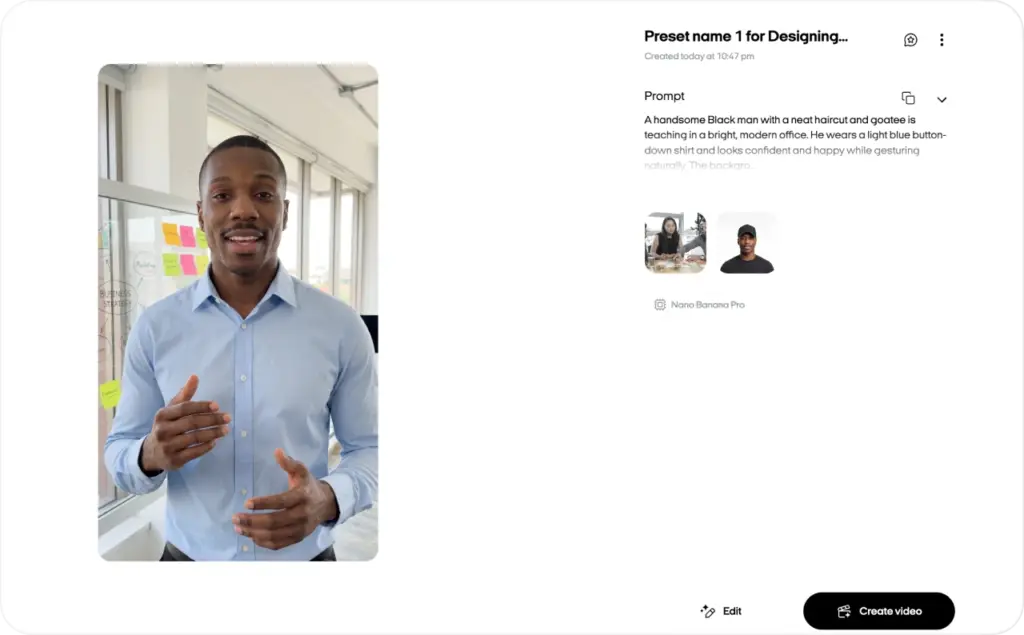
For creator recommendation hooks, use UGC Factory. UGC Factory creates videos with AI UGC influencers tailored to your brand, product, or service, in a style that looks like creator recommendations on TikTok or Reels.
For simple script tests, use Text to speech video. Zeely lets you pick an AI video avatar, paste your script, and keep the message short, usually around 200 to 400 characters for a 15 to 30 second video.
Once the ad is ready, Zeely shows how to share AI-generated videos to TikTok, Instagram, or Facebook, preview the post, edit captions and tags, and schedule it under Campaigns.
Emma blends product marketing and content to turn complex tools into simple, sales-driven playbooks for AI ad creatives and Facebook/Instagram campaigns. You’ll get checklists, bite-size guides, and real results, pulled from thousands of Zeely entrepreneurs, so you can run AI-powered ads confidently, even as a beginner.
Written by: Emma, AI Growth Adviser, Zeely
Reviewed on: May 20, 2026