AI models for ad creative generation: A practical guide for small businesses
I’ll cut through the AI model hype and map the text, image, video, audio, and prompt stack small businesses need for better ads.
The best AI models for ad creative generation are not always the most cinematic, famous, or expensive. Small businesses usually need a practical model stack: text models for hooks and prompts, image models for static ads and first frames, video models for short-form motion, audio models for voiceovers and captions, and a workflow layer that turns everything into campaign-ready creatives.
AI ad tools can now write hooks, generate product images, animate scenes, create voiceovers, and resize creative for different platforms. The recent Google Cloud release of Nano Banana 2 Lite and Gemini Omni Flash shows where the market is moving: faster image generation, video editing, multimodal inputs, and creative workflows built for iteration, not one-off magic tricks.
I’m Emma from Zeely, and I’ve seen the same pattern again and again: small businesses do not need a wall of model names, they need to know which part of the ad each model helps with, when to use it, and how it fits into a workflow that can actually launch.
What AI models for ad creative generation do
AI models for ad creative generation help turn messy product information into ad assets you can actually use. They can read a creative brief, understand the goal, and create copy, images, video ideas, or ad variations from that input.
The model looks at your product, audience, offer, tone, CTA, landing page, ad format, brand guidelines, and visual references. Then it predicts or generates the next useful output for that ad task.
How an AI model turns a creative brief into ads
In plain language, AI models are the engines behind AI-generated ad work. A helpful 2026 framing comes from McKinsey’s marketing AI guide, which separates AI that predicts, generative ai models that create text, images, video, or code, and agentic AI that coordinates work across systems.
That matters because AI models for ads do different jobs. A large language model can write headlines, captions, scripts, offer angles, and landing-page variants. A diffusion model can create static ads, product scenes, thumbnails, and fresh visual concepts. A multimodal model can read both text and images, which helps it understand your product image, brand style, and ad goal in one place.
The brief still does the heavy lifting. If you only give the model a product name, you’ll usually get generic ads. If you add the customer problem, offer, proof, format, tone, and visual references, the output gets sharper.
AI model vs AI ad creative tool
An AI model is the engine. An AI ad creative tool is the workflow around that engine.
The model can generate copy, images, or video ideas. The tool turns those raw outputs into something usable: templates, editing, export sizes, brand controls, product inputs, captions, and sometimes campaign launch.
That’s why AI ad creative models and AI ad models aren’t the same as the product you use every day. You may never see the model directly. You see the tool that helps you make a finished ad without wrestling with prompts, sizes, and edits.
Zeely sits closer to that workflow layer. Small businesses don’t need raw model output. You need ads that look ready, match your product, fit the platform, and help you test faster.
Types of AI models for ads that matter in 2026
The most useful AI models for ads don’t all do the same job. Some write. Some create images. Some make video. Some read a product page, image, and brief together.
That’s why the types of AI models matter more than model names alone. When you know what each model does, you can choose the right one for the ad task in front of you.
LLMs write ad copy, hooks, angles, and CTAs
Large language models, or LLMs, are the generative AI models behind a lot of short-form ad copy. They’re usually built on transformer models, which read language patterns and predict the next useful words.
For ads, that means hooks, primary text, video scripts, CTAs, captions, offer framing, and landing-page copy. You can also ask for audience-specific variants.
Examples include:
- GPT-5.5
- Claude Sonnet 5
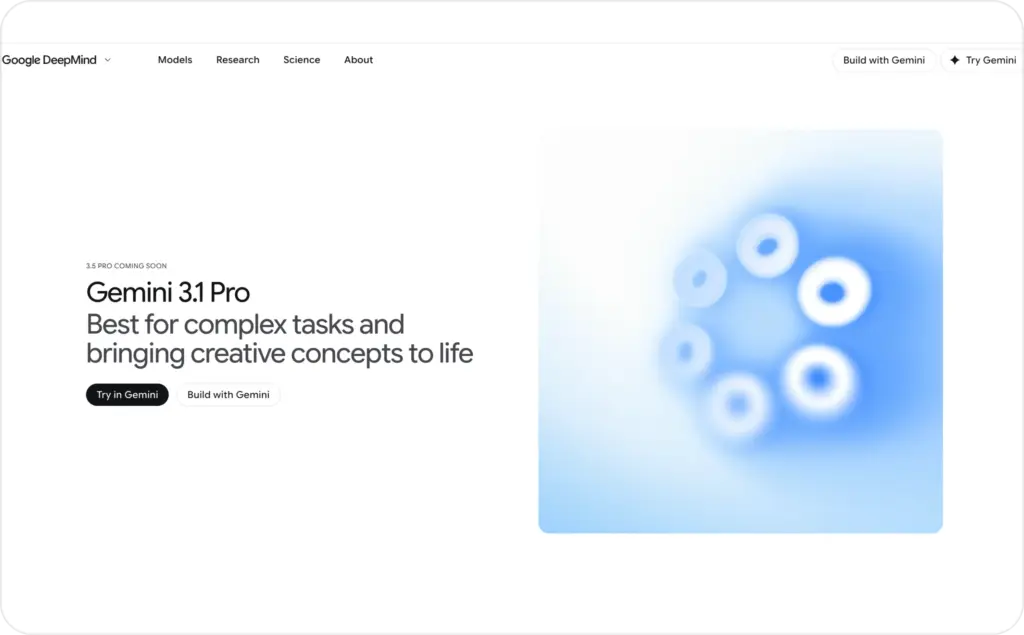
- Gemini 3.1 Pro
- Qwen3.6
- Llama 4 Scout
- Llama 4 Maverick
GPT-5.5 is framed by OpenAI for complex real-world work, while Gemini 3.1 Pro can understand text, audio, images, video, and code in one model.
Diffusion and AI image models build static ad visuals
Diffusion models power many AI image models for marketing. In simple terms, they build an image step by step from a prompt, reference image, or product photo.
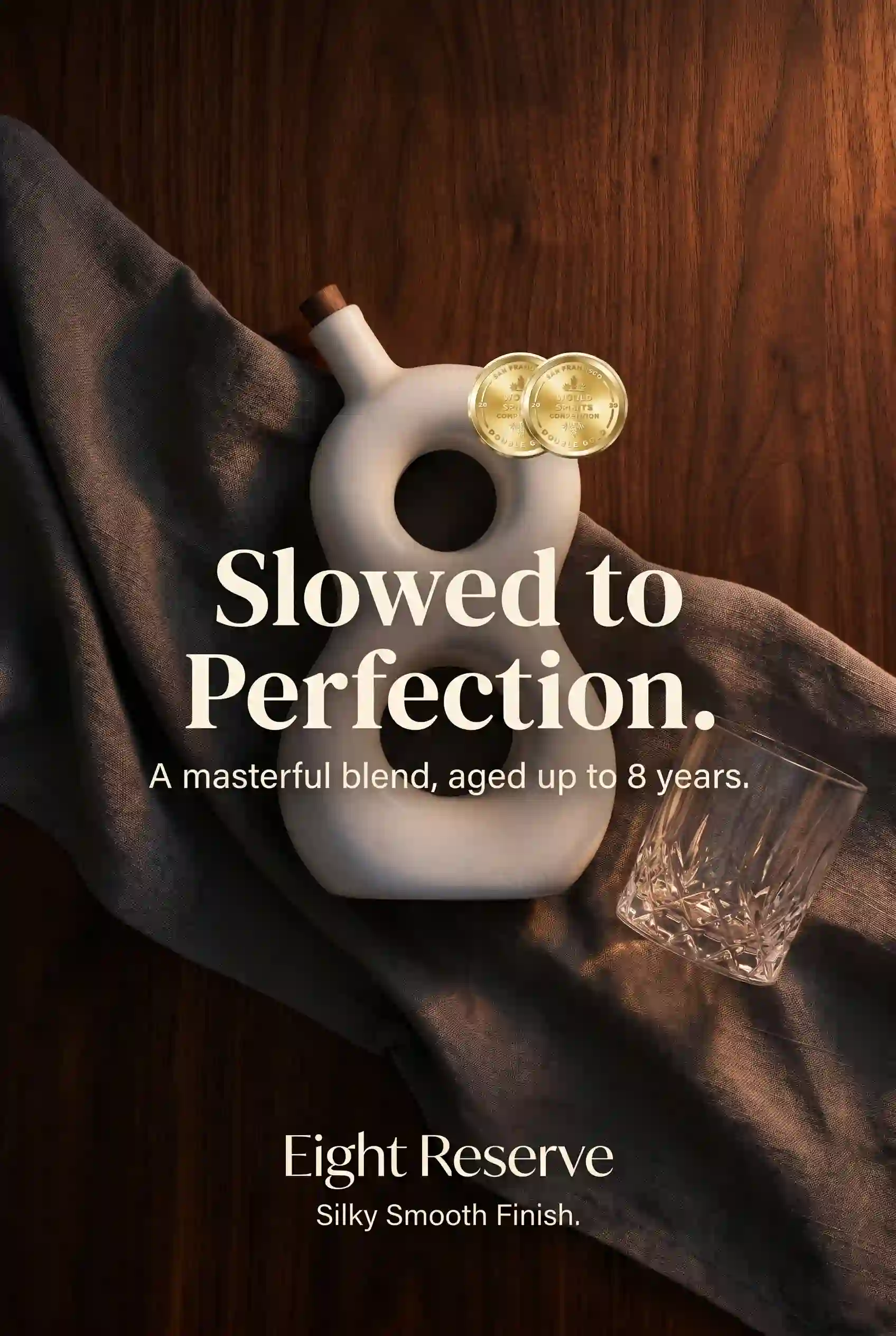
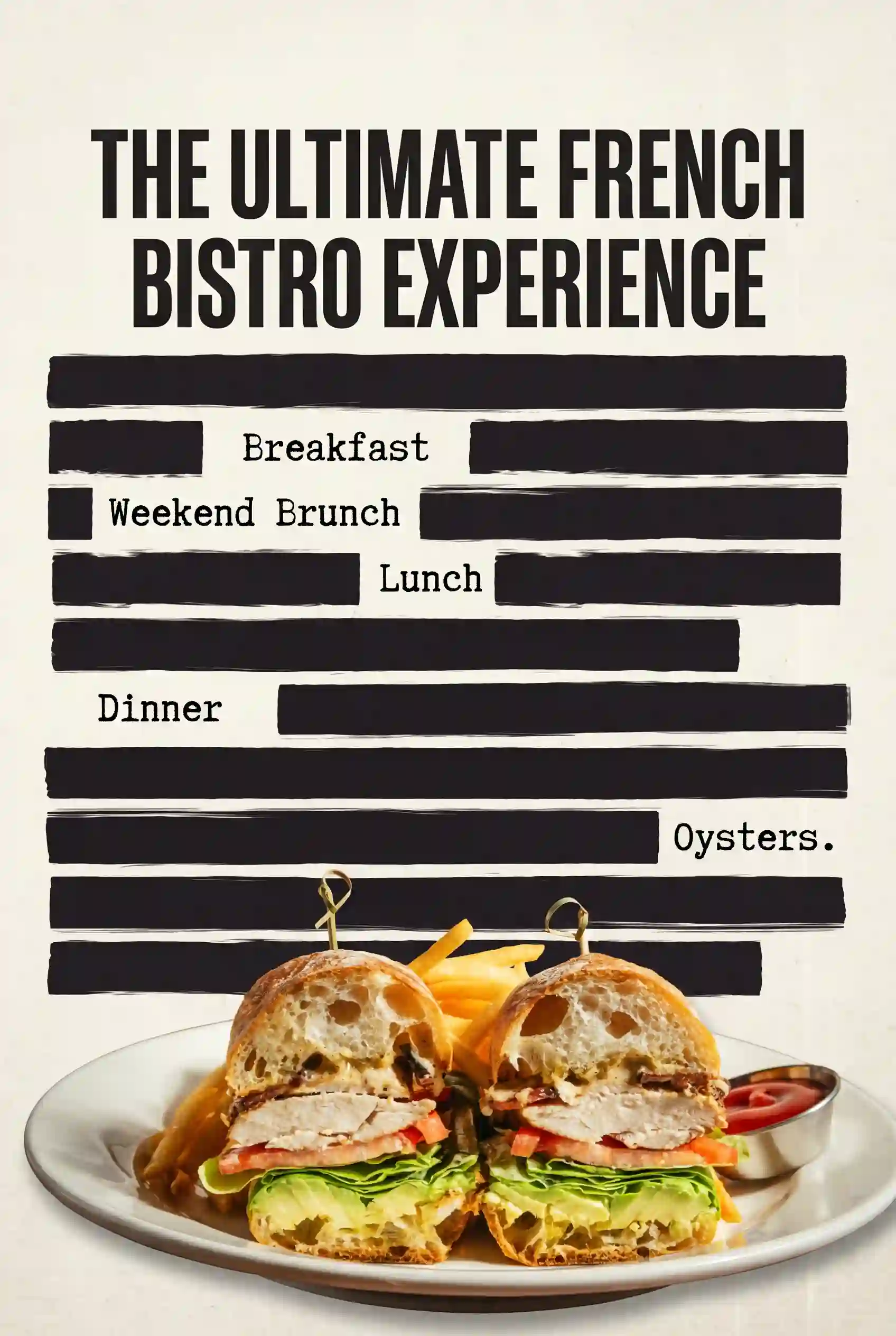
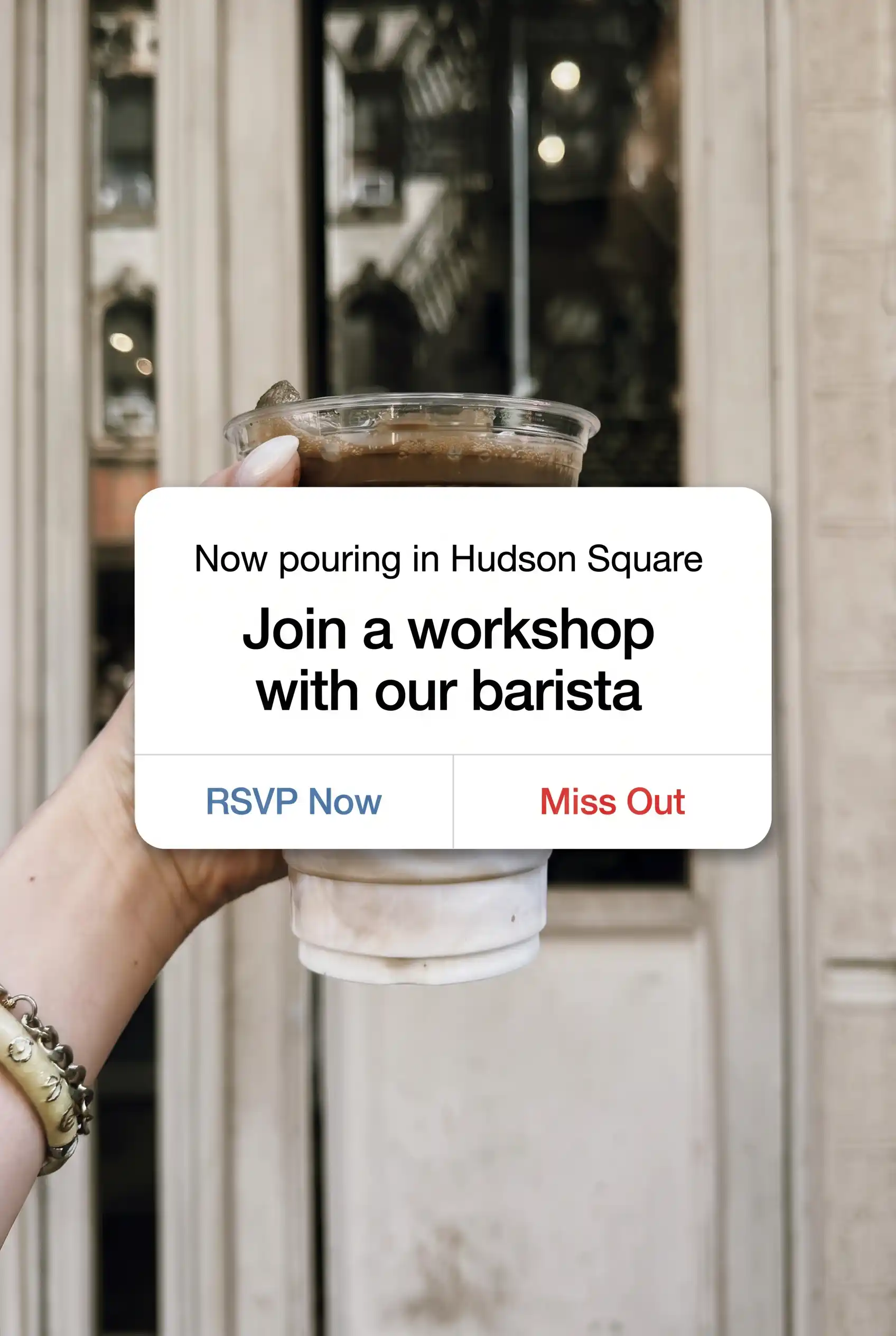
For ads, they help create product scenes, lifestyle backgrounds, display ads, thumbnails, and social post visuals. A plain candle photo can become a cozy bathroom shelf, a holiday gift scene, or a clean Amazon-style product visual.
Examples include:
- ChatGPT Images 2.0
- FLUX.2
- Stable Diffusion 3.5
For image generation, OpenAI’s 2026 ChatGPT Images 2.0 release is a strong example because it highlights better visual precision, multilingual text rendering, style control, aspect-ratio flexibility, and product-style mockups.
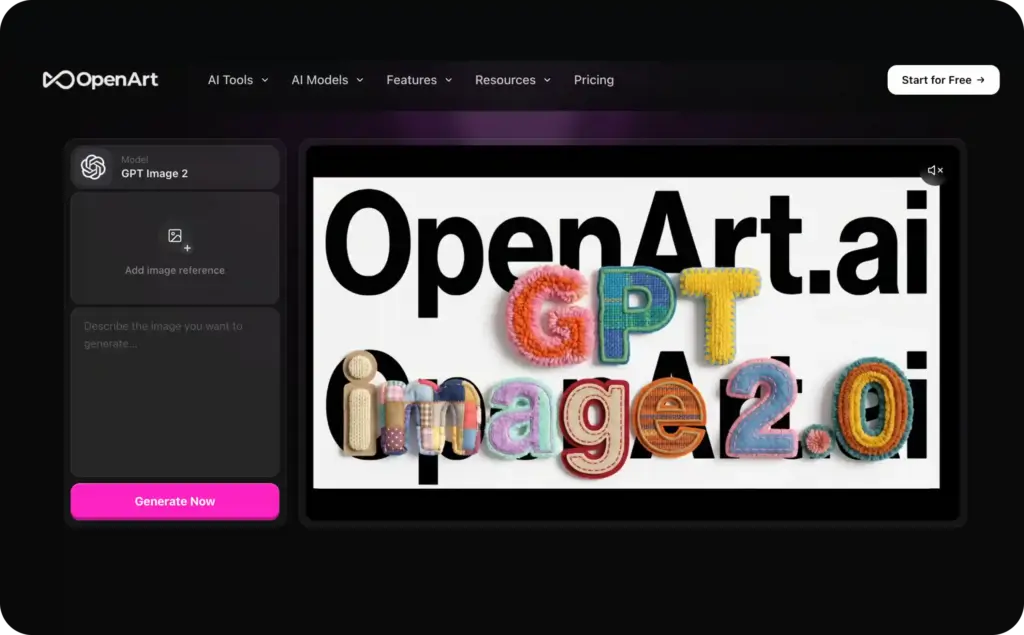
Photo source: OpenArt
AI video models create motion, voice, and product stories
AI video models for ads help turn a product idea into motion. They can create short product stories, UGC-style scenes, voice-led clips, moving backgrounds, and image-to-video tests.
Examples include:
- Sora
- Google Veo
- Gemini Omni
- Runway video models
- Kling
- Pika
Sora can generate video from text and support multiple aspect ratios, while Veo focuses on high-fidelity video with audio and visual control.
Still, you need to check the details. Video models can miss hands, labels, packaging, scale, texture, and product accuracy. For ecommerce, one wrong bottle shape can make the whole ad feel fake.
Multimodal AI models read products, briefs, and images together
Multimodal models can read more than one input type at once. They can connect a product image, landing page, audience note, creative brief, and ad format in one workflow.
Examples include:
- Gemini 3.1 Pro
- GPT-5.5 with vision tools
- Claude Opus
- Sonnet models
- Llama 4
- Qwen
These different AI models matter because ecommerce ads rarely start from text alone. You usually have a product image, price, offer, landing page, and a customer problem.
This is where AI models for ad creative generation get more useful. You’re not asking the model to guess. You’re giving it the same clues a human marketer would need.
Predictive AI ad models rank and optimize creative variants
Not all AI ad models create content. Some predictive models rank ads, score variants, match creatives to users, and help platforms decide delivery.
These include ranking models, recommendation models, CTR prediction, ROAS prediction, and creative scoring. Meta’s Andromeda is one public example of an ads retrieval and ranking system that uses machine learning to predict which ads people may find most relevant.
This is where types of AI in advertising move past generation. The model isn’t only asking, “What should we make?” It’s also asking, “Which version should get budget first?”
What ad creatives can generative AI models make?
Generative AI models can help create most of the pieces you need before an ad goes live. They don’t replace your product knowledge, but they can speed up the first draft.
For small teams, that matters. You can move from one product URL or SKU to several ad ideas without starting from a blank page.
Copy assets: headlines, primary text, scripts, and landing-page variants
AI models for ad creative generation are useful for short, structured copy. They can help turn one offer into several angles, then reshape each angle for a different channel.
That can include:
- Meta ad primary text
- Google ad headlines
- TikTok or Reels script starters
- Product-benefit bullets
- Landing-page hero variants
- CTA lines
- Email-style copy for lead gen pages
This is where AI models for ads help you avoid the “one ad, one guess” problem. A DTC skincare brand can test a benefit angle, a routine angle, and a price angle. A SaaS lead gen team can test pain-point copy, feature-led copy, and proof-led copy.
Static assets: product scenes, lifestyle images, banners, and thumbnails
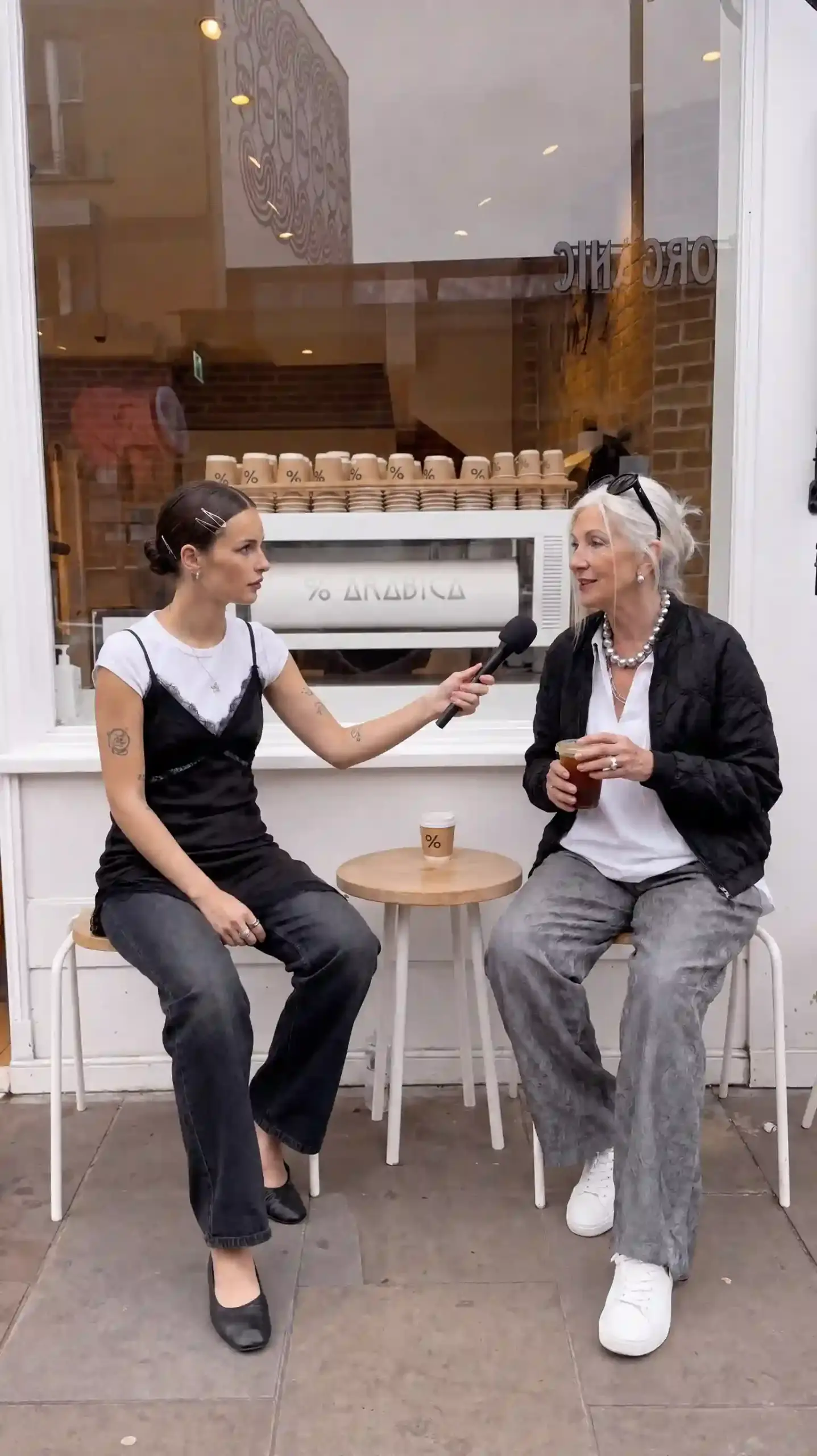
AI image models for marketing help most when your product needs a better setting. A plain product photo can become a lifestyle image, static ad, display ad, thumbnail, or social ad.
Amazon Ads reports that Sponsored Brands campaigns using AI-generated images saw 10.3% higher ROAS on average than Sponsored Brands campaigns without AI-generated images, which makes product-led creative a useful place to study AI output.
Still, every product detail needs a human review. Check the label, packaging, color, size, texture, and claims before launch.

Video assets: UGC-style ads, short clips, storyboards, and voiceovers
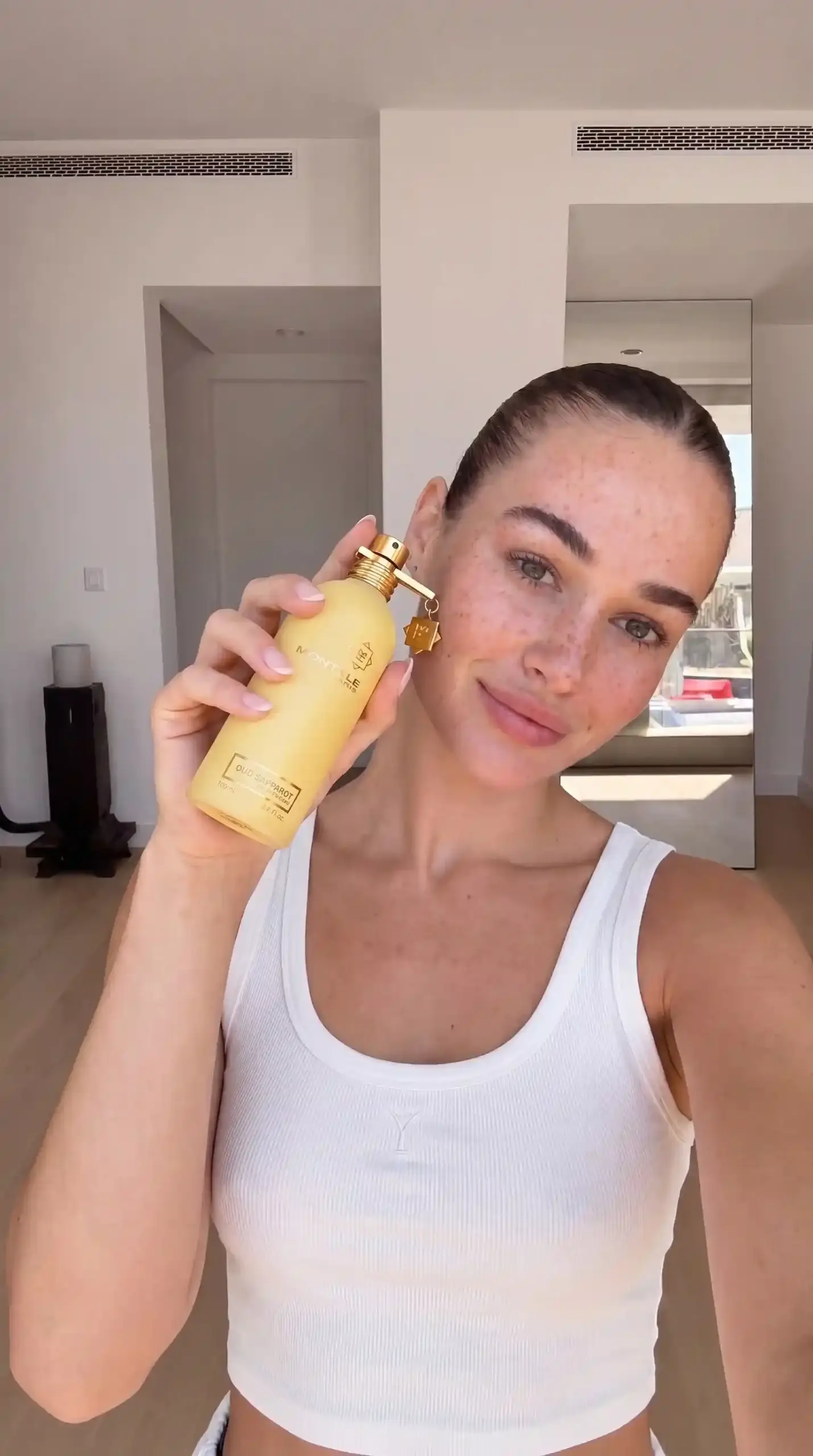
AI video models for ads can help create scene ideas, short product videos, script-to-video flows, voiceover drafts, captions, and first-frame variants.
They’re especially useful before production. You can test the story first, then decide what deserves budget. For example, one product can become a founder-style clip, a problem-solution video, or a quick demo storyboard.
Product ads at scale: ecommerce, marketplaces, and localized campaigns
This is where AI ad creative models become useful for busy sellers. Ecommerce brands, marketplaces, agencies, retail media advertisers, and mobile app teams often need many versions of the same idea.
One SKU may need a Meta ad, marketplace ad, display ad, localized ad, and landing-page variant. Zeely fits this workflow because small businesses usually don’t need raw model output. They need product ads they can edit, resize, review, and test without rebuilding everything from scratch.
Platform-native AI ad models: Google, Meta, and Amazon
Some AI models for ads live inside the ad platforms themselves. These models don’t only help you make assets. They also help decide where those assets appear, who sees them, and which version gets more budget.
Google, Meta, and Amazon are building AI into the full ad workflow, from asset creation to delivery.
Google: Gemini, Asset Studio, AI Max, and Performance Max
Google is not only using generative ai models to create ad assets. It connects Gemini, Google Ads, Asset Studio, AI Max, Performance Max, Search, Shopping, and YouTube surfaces.
That means Google’s system can help generate images and videos, then use campaign automation to match assets with search intent and buying signals. For ecommerce brands, that can connect a product catalog to the places shoppers are already comparing options.
Google says Gemini was used to generate nearly 70 million creative assets in AI Max and Performance Max in Q4, which makes platform-native creative generation hard to ignore in a 2026 guide.
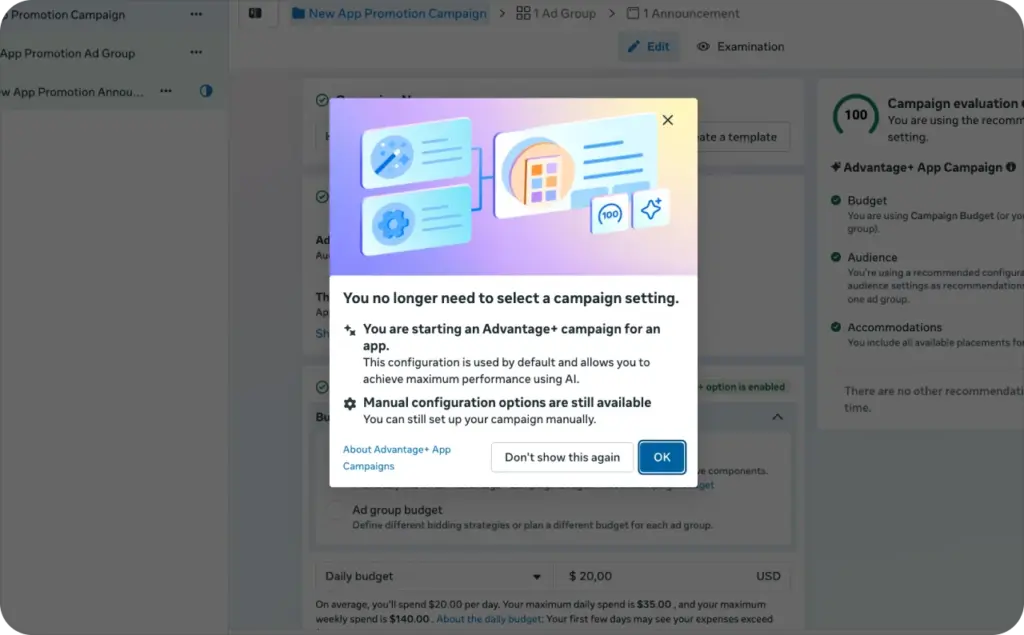
Meta: generative ad tools, ranking models, and Advantage-style automation
Meta’s AI ad creative models sit inside a bigger delivery system. The creative tools can help make or adjust ad assets, but the ranking models decide what people are most likely to engage with.
Meta Advantage, Reels learning, ad ranking, and GEM all point in the same direction. The platform is not only asking, “Can we make more versions?” It is also asking, “Which ad should this person see right now?”
Meta says its Generative Ads Recommendation Model, or GEM, helps its systems understand what people engage with on Facebook and Instagram, so the creative and delivery sides are getting closer.
Amazon: Creative Agent, image, video, and audio generation
Amazon matters because it works close to ecommerce intent. A shopper on Amazon is often comparing price, reviews, delivery, and product details in the same session.
That makes Amazon Ads different from many top AI models used outside ad platforms. Its AI tools can connect product listings, Sponsored Brands, retail media placements, product catalogs, and marketplace ads.
Amazon Ads says Creative Agent can build multi-scene videos and display ads with animations, music, and voiceovers. For sellers, that can turn one product listing into image, video, and audio assets without starting every campaign from scratch.
The simple takeaway: platform-native AI models for ads don’t stop at creation. They help make the ad, place the ad, rank the ad, and learn from what happens next.
How Zeely fits between AI models and finished ad creatives
Raw output can look impressive and still leave you with work to do. A model may give you an image, a script, or a few headline ideas, but that is not the same as having a ready ad.
This is where Zeely fits into the production flow. It helps turn AI models for ad creative generation into assets a small business can review, edit, and use.
Zeely as the workflow layer, not just a raw model
Zeely works as the business-friendly workflow layer around AI ad creative models. You can start with a product URL-to-video, product photo, or product details, then move toward ad scripts, static ads, video ads, UGC-style ads, and campaign-ready assets.
That matters because most ecommerce sellers don’t want raw model output. You want something closer to launch-ready, with room to review before money is spent.
Static, video, and copy assets in one production flow
Small businesses rarely need one isolated headline or one pretty image. You need a creative set that works together.
That usually means:
- A clear hook
- A product visual
- Short ad copy
- A CTA
- The right ad format
- Export-ready creative assets
Zeely helps connect those pieces in one flow, so your static ad, video ad, and copy don’t feel like they came from three different tools.
FAQ
AI models for ad creative generation are systems that turn inputs like product details, audience notes, offers, images, and ad formats into creative outputs. They can help make copy, visuals, scripts, videos, and variants, but a person should still review accuracy before launch.
AI models take your inputs, find patterns, and generate a useful output. You give the product, audience, offer, format, and brand notes. The model drafts the asset. Then you review, edit, test, and measure.
Generative ai models can create copy, static ads, product scenes, banners, thumbnails, scripts, voiceovers, short videos, UGC-style clips, and landing-page variants.
The model is the engine. The tool is the workflow. AI ad creative models generate text, images, or video. An AI ad creative tool helps package that output into templates, exports, edits, brand controls, and launch-ready ads.
Often, yes, but only after review. Check tool terms, product accuracy, claim proof, copyright, trademark, likeness rights, disclosures, and platform rules before using AI output in paid ads.
Yes, brands can fine-tune models or use open source ai models with LoRA, brand data, or retrieval-augmented generation. Most small teams should start with brand kits, saved prompts, templates, and product feeds first.
AI video models for ads must keep motion, hands, packaging, scale, labels, and scene continuity consistent. That is hard because each frame has to match the next one while the product still stays accurate.
A 2026 arXiv paper on multi-object ad creative generation also notes that ecommerce ad images need to represent products authentically, which is why human review still matters.
Expect more multimodal models, agentic workflows, better product understanding, stronger testing automation, and stricter guardrails. The future is not less review. It’s faster production with clearer human approval.
Emma blends product marketing and content to turn complex tools into simple, sales-driven playbooks for AI ad creatives and Facebook/Instagram campaigns. You’ll get checklists, bite-size guides, and real results, pulled from thousands of Zeely entrepreneurs, so you can run AI-powered ads confidently, even as a beginner.
Written by: Emma, AI Growth Adviser, Zeely
Reviewed on: July 3, 2026