Misleading advertising examples: 10 real cases and advice to avoid fake ads
What makes misleading advertising so easy to fall for, and how can you avoid it? Zeely AI analyzed hundreds of real ad examples to present clear insights and tips that help you strengthen your marketing with clear, honest communication.
Advertising only works when people believe you. But in a busy market, it’s easy to stretch a claim to promise the “best,” “fastest,” or “most proven” version of what you sell.
This guide shows you where that line really sits and how to stay on the right side of it. You’ll see real examples of false advertising on social media from well-known brands, why they backfired, and how a few small rewrites could’ve kept them clear, compliant, and believable.
Trust is thin right now. According to Yahoo Finance, only 59% of consumers believe businesses tell the truth, a steady decline over the past five years. That means every headline, claim, and “free” offer has to work harder to earn belief and this guide will show you how.
What is misleading advertising?
Misleading advertising isn’t usually a lie, it’s a misunderstanding.
Most brands mean well. A line sounds clever in a brainstorm but lands fuzzy in real life. Misleading happens when what you say, or even just suggest, makes people believe something your facts can’t fully back up.
How to spot it
Here’s the quick gut check:
Would an ordinary person walk away believing something you can’t prove? If that belief could shape their decision to buy, you’ve crossed into misleading territory.
Every misleading ad has three simple parts:
- The claim: what you say or imply
- The takeaway: what most people naturally understand
- The effect: how that impression might shape their decision
When those three don’t line up, trust starts to wobble.
Where the line blurs
Most slip-ups in advertising aren’t sneaky. They’re small. Tiny phrases that sound harmless until they meet a real customer. Here’s where brands often drift off course:
- Puffery vs. proof. “The best coffee in town” is opinion. “Voted #1 in Seattle” needs evidence.
- Omission vs. clarity. Leaving out key conditions can mislead just as much as a false claim.
- Fair comparison vs. shade. You can say your product lasts longer, but only if you’ve tested apples to apples.
How to support your claims
The rule of thumb is simple: the stronger the claim, the stronger the proof.
A line like “helps reduce” might use internal data. But “clinically proven to eliminate” demands independent, repeatable studies.
Keep your proof handy: screenshots, reports, certifications, whatever backs your claim. Ads can be checked months or years later. Having that file ready isn’t paperwork; it’s peace of mind.
Substantiation is part of good storytelling. When your evidence and message align, your brand feels honest and honesty is what people remember.
Why it matters
Trust is the real currency of marketing. And right now, it’s thin. In 2025, only 28 % of Americans say they trust the media, the lowest ever recorded by Gallup. That same skepticism shapes how people read ads.
Each claim you make is a small trust exchange. When it’s accurate and clear, that trust grows. When it’s vague or overstated, it fades.
10 misleading advertising examples
If the consumer’s likely takeaway is stronger than you can prove, downgrade or clarify the claim. Each of these real misleading ads examples show how small wording gaps can turn into credibility losses and how to fix them before they do.
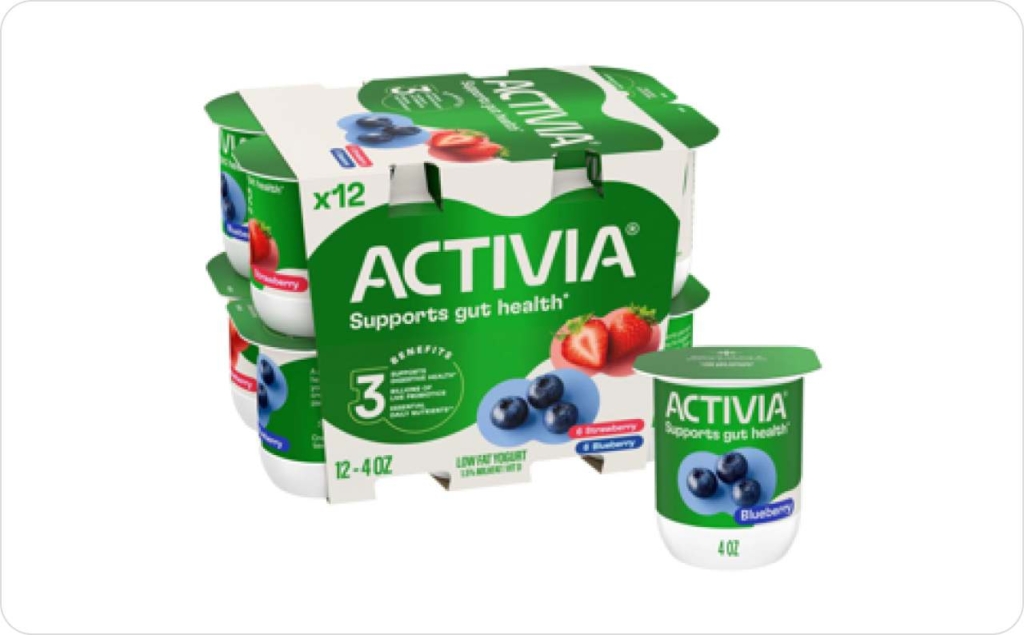
1. Activia — “clinically proven to regulate digestion”
Danone’s Activia yogurt once said it was “clinically proven to regulate digestion in two weeks.” The problem wasn’t the intent; it was the proof. The studies behind it weren’t independent or strong enough to justify that absolute promise. The result? A $45 million settlement and a public reminder that even trusted health brands need solid evidence behind every word.
Why it works
- Health claims tap into emotion, people buy relief, not just flavor
- “Clinically proven” sounds medical and trustworthy, even when it’s vague
- Scientific framing gives food products a pharma-like authority
- When the data doesn’t match the promise, trust slips and it’s hard to earn back
How to use it in your advertising
If you make health or performance claims, match your words to your evidence. Instead of “clinically proven,” use something verifiable like “based on a 100-person consumer study.” Be transparent about what the data shows and how it was gathered. Clarity doesn’t weaken your message, it strengthens belief.
Compliant rewrite
“Supported by a 2-week consumer study with 100 participants reporting improved digestive comfort.”
2. ABCmouse — “free trial” that auto-renews
ABCmouse promoted a “free trial” that quietly rolled into a paid subscription without clear notice. The renewal timing and cancellation steps were buried in small print, so many parents didn’t realize they’d be charged until after billing. The result was frustration, refund requests, and a loss of trust that could’ve been avoided with a single line of clarity.
Why it works
- People see “free” and skip the fine print, it’s automatic
- Hidden renewal terms take advantage of inertia, not intention
- When canceling feels confusing, users feel tricked, not valued
- Transparency protects both trust and revenue
How to use it in your advertising
Make every trial feel safe to try. Put the renewal date, price, and cancel path right next to the sign-up button, not tucked in the terms. Send reminders before billing, and make cancellation a one-click process. When people know exactly what to expect, they’re more likely to stay for the right reasons.
Compliant rewrite
“7-day free trial. Then $12.99/mo until you cancel in the Account → Manage plan.”
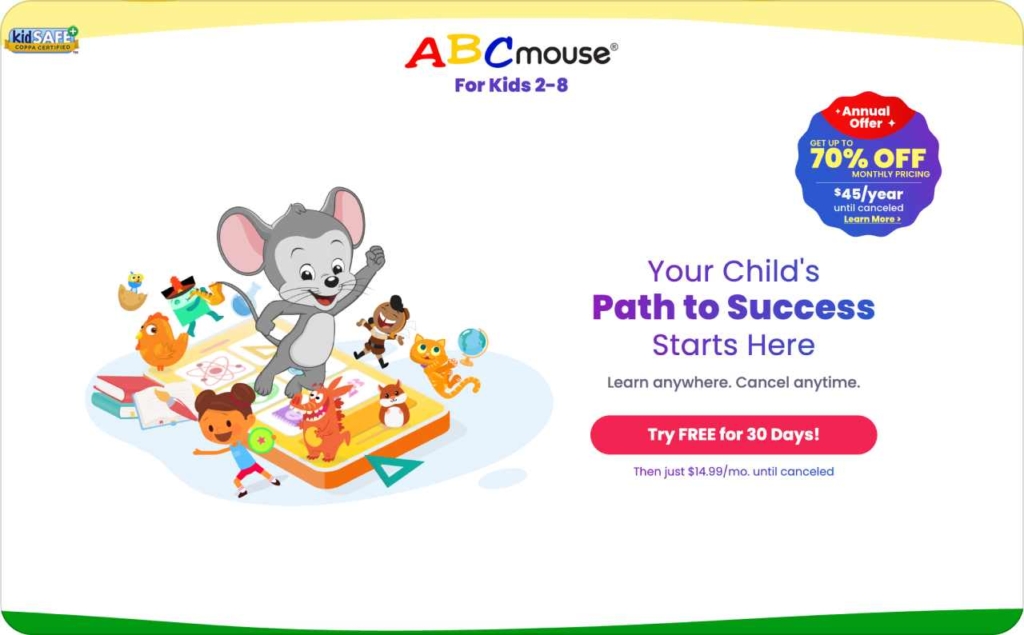
Photo source: ABCmouse
3. JCPenney — reference “was/now” pricing
Everyone loves the feeling of getting a deal. That’s what JCPenney leaned on when it ran “was $89, now $49” sales, except many of those higher “was” prices were never actually charged. The discounts looked big, but they weren’t based on real numbers. Once that came out, shoppers didn’t just lose faith in the sale, they lost trust in the brand itself.
Why it works
- A strikethrough price feels like proof, even when it’s not
- Big discounts trigger emotion first and logic second
- When the math doesn’t hold up, customers remember the letdown more than the deal
How to use it in your advertising
You can still create excitement around savings, just make sure the story matches the data. Use real historical prices or a recent price range shoppers can verify. If the discount is based on time-limited testing or select stores, include that note right in the ad. The more transparent you are, the more believable your offers become.
Compliant rewrite
“Now $39. Regularly sold at $49–$59 in the last 90 days.”
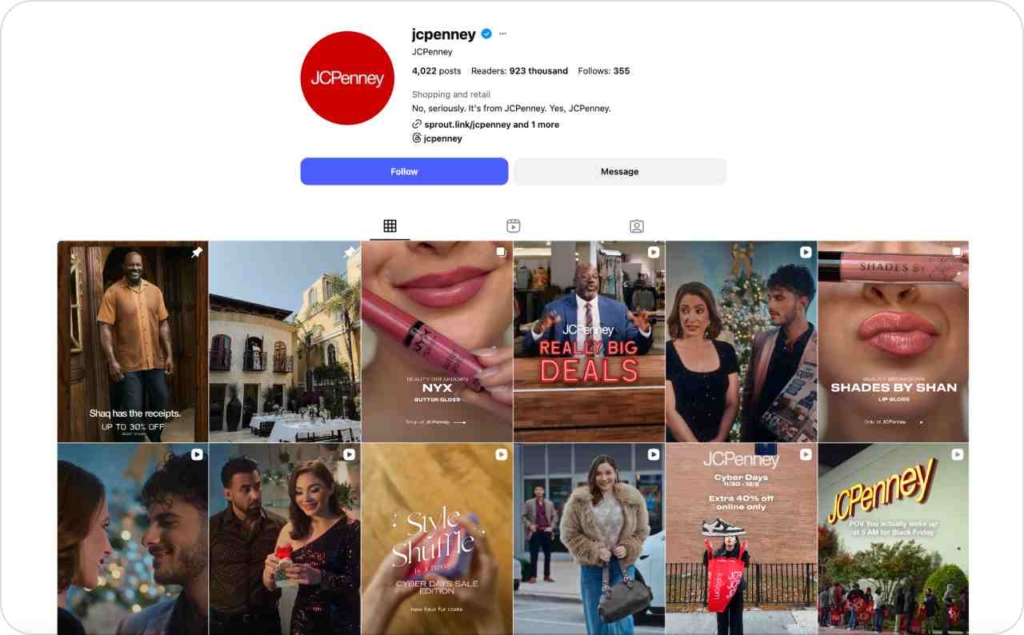
Photo source: @jcpenney on Instagram
4. Airbnb — hidden fees and drip pricing
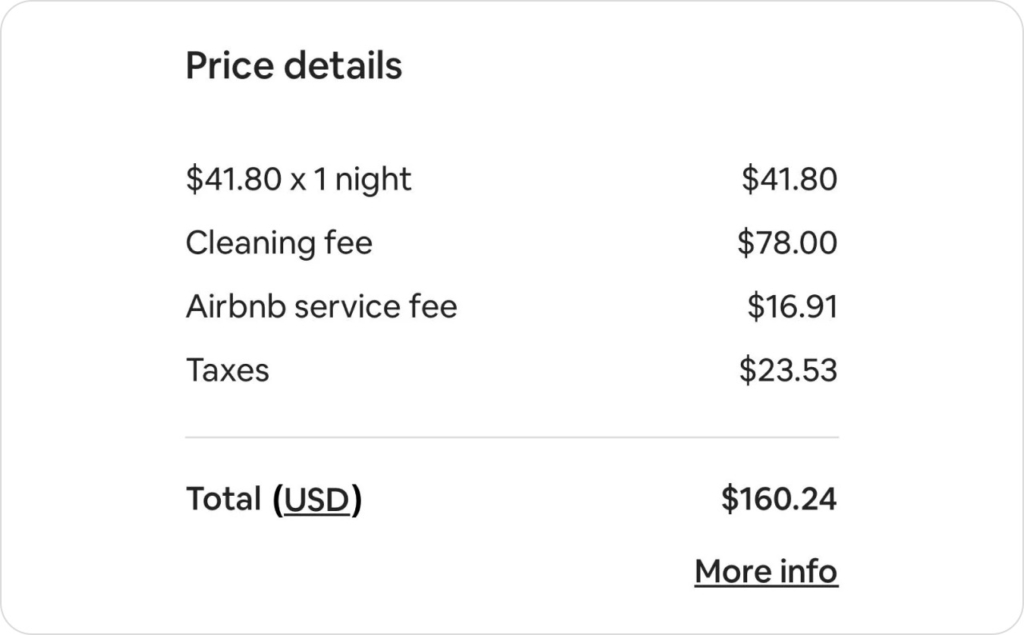
At first glance, Airbnb’s low nightly rates looked like a steal. But once guests reached checkout, cleaning and service fees appeared, sometimes doubling the total. The surprise didn’t just cause frustration; it made people question whether the brand was being upfront. After enough backlash, Airbnb switched to showing total prices earlier in the booking flow.
Why it worked
- Low prices grab attention fast, people anchor on the first number they see
- Hidden fees feel like a bait-and-switch, even if they’re disclosed later
- The letdown at checkout erases the excitement of finding a good deal
- Trust lost at payment time takes longer to rebuild than any discount can fix
How to use it in your advertising
Be clear from the first click. Show the total cost upfront before tax or fully loaded, depending on your policy and avoid “from” prices that skip mandatory fees. When people know exactly what they’re paying, they book faster and return more often. Transparency doesn’t hurt conversions; it strengthens them.
Compliant rewrite
“Total before taxes: $168, including $25 cleaning fee.”
5. L’Oréal — “scientifically proven”
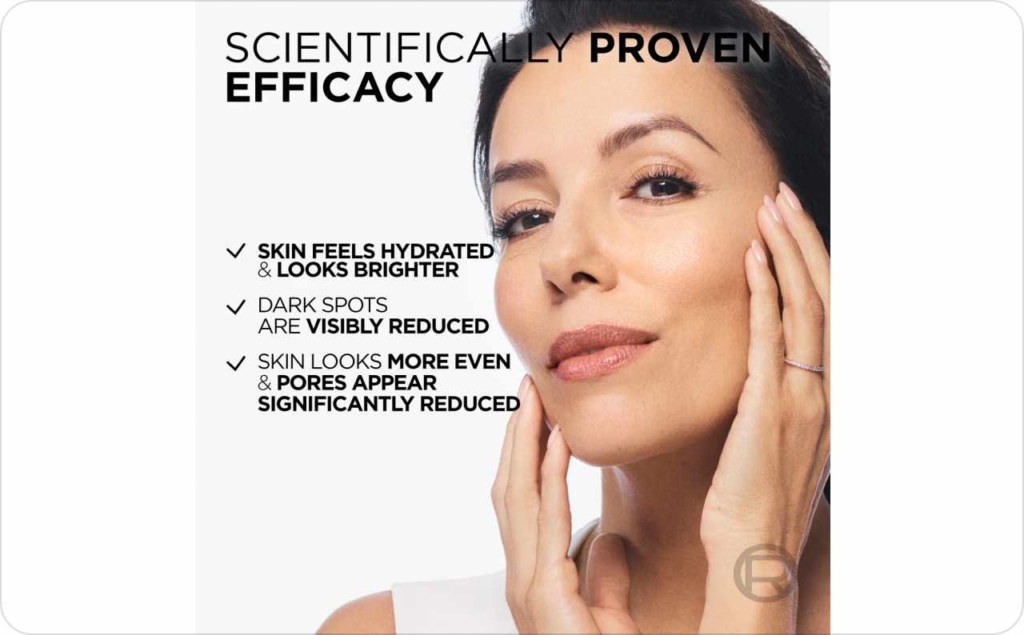
L’Oréal promoted its anti-aging creams as “scientifically proven” to deliver visible results. But the studies behind those claims were internal, not independent or peer-reviewed. The ads blurred the line between marketing language and real science, a small overreach that cost the brand credibility with both regulators and consumers.
Why it worked
- Words like “scientifically proven” sound factual, not promotional, so people rarely question them
- Scientific phrasing gives beauty products the weight of medical validation
- It builds instant trust until someone checks the data and finds the gap
- When proof doesn’t match the promise, that trust fades fast
How to use it in your advertising
If you lean on science, make sure the claim fits the evidence. Replace blanket phrases like “clinically proven” with clear, verifiable wording such as “consumer study” or “lab-tested.” Cite your sample size or study duration right in the copy. People don’t expect perfection, they expect honesty, and that’s what keeps your brand believable.
Compliant rewrite
“In a 4-week consumer study, 82% reported smoother-looking skin.”
6. Volkswagen — “clean diesel”
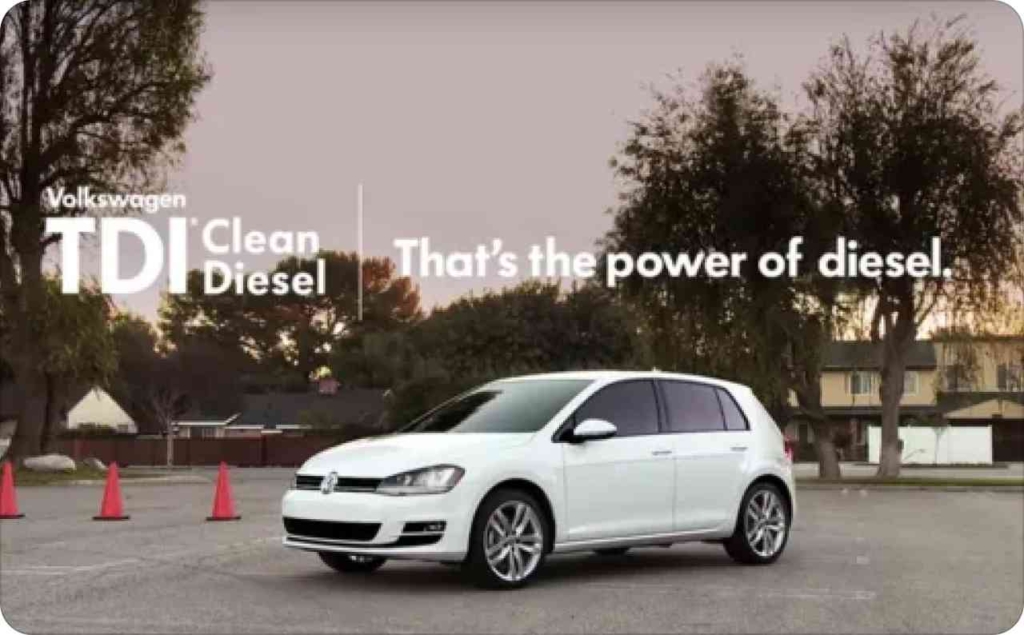
Volkswagen’s “clean diesel” ads promised low-emission performance that didn’t hold up on the road. Hidden defeat devices made cars appear compliant in lab tests while emitting far more pollutants in real driving. What started as an eco-friendly pitch turned into one of the biggest greenwashing scandals in history and a lasting reminder of how fragile trust can be.
Why it worked
- “Clean” appeals to conscience, people want to feel good about what they buy
- Environmental claims create pride and belonging, not just utility
- Many assume “eco” terms are verified by regulators or testing bodies
- When those assumptions break, so does loyalty across every product line
How to use it in your advertising
If you highlight sustainability, make it specific and measurable. Replace broad green words with verified standards or third-party certifications. Share your data not because you have to, but because transparency builds belief. Today’s audiences don’t expect perfection; they expect proof.
Compliant rewrite
“Certified to Euro 6d-TEMP emissions standard; on-road test results available.”
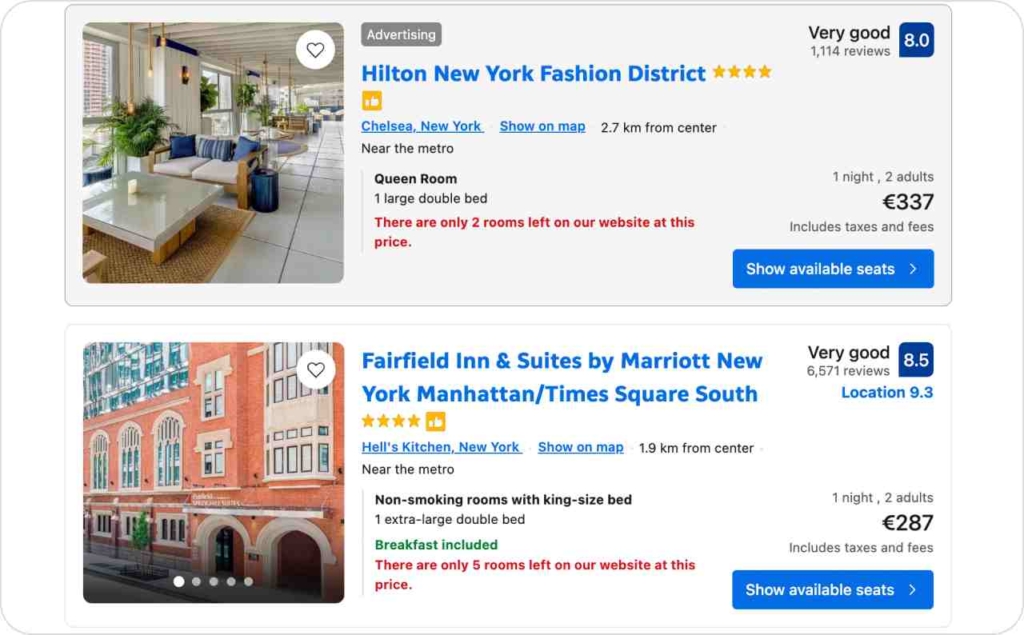
7. Booking.com — scarcity and urgency prompts
Booking.com used to show messages like “Only 1 left!” or “Booked 10 times today!” even when rooms were still available. The goal was to nudge users to act fast, but when people realized those alerts weren’t always accurate, it created frustration instead of momentum. Regulators later stepped in and required the platform to show real-time availability.
Why it worked
- Scarcity and urgency spark instant action, no one wants to miss out
- Countdown-style pressure feels exciting in the moment
- But when that urgency turns out to be false, users feel tricked, not motivated
- Once people feel manipulated, they don’t just cancel bookings, they lose trust in the brand
How to use it in your advertising
Use urgency honestly. Show real-time data, timestamp updates, and make it clear what applies to the user’s exact dates or product. You can keep the energy of “book now,” but ground it in truth. Real urgency builds confidence, not regret and confidence converts better every time.
Compliant rewrite
“2 rooms left for your dates at this price as of 3:12 pm.”
8. UK Mobile Carriers — “best” and “#1” superlatives
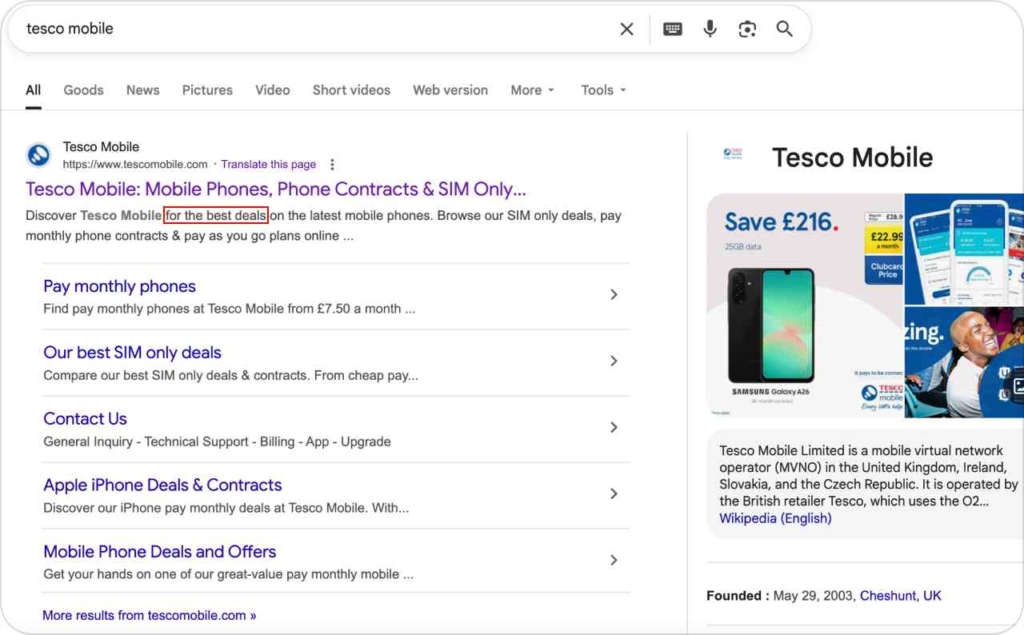
Several UK mobile networks claimed they had “the best coverage” or “fastest speeds,” but their proof didn’t stand up to scrutiny. The data was old, incomplete, or not comparable and once competitors challenged it, regulators pulled the ads. What looked like confidence quickly turned into a credibility problem.
Why it worked
- “#1” language gives people certainty in a crowded market
- Superlatives make complicated data feel simple and persuasive
- Most users take those claims at face value, few check the source
- But when the facts don’t back the brag, the entire brand sounds unreliable
How to use it in your advertising
You can still sound confident without overpromising. Ground every claim in a current, named source and include a clear date or metric. If the data isn’t recent or verified, switch from rankings to real numbers “99.9% coverage” says more than “the best.” Clear proof sells better than bold slogans because it feels real.
Compliant rewrite
“99.9% population 5G coverage, Opensignal UK, Q2 2026.”
9. Lord & Taylor — influencer dress campaign
Lord & Taylor launched a campaign where dozens of influencers showed off the same dress. The photos looked natural, real people sharing their style, but none of the posts mentioned they were paid. Followers believed the buzz was organic, not sponsored. When regulators stepped in, the lesson was simple: if it feels too natural to be an ad, it probably needs a disclosure.
Why it worked
- People trust creators who sound like friends, not marketers
- A post that looks spontaneous feels more credible than a banner ad
- Hidden sponsorships make praise sound genuine until the truth surfaces
- Once trust cracks, audiences don’t just ignore one post; they question the brand behind it
How to use it in your advertising
Be upfront about partnerships, it doesn’t make the content weaker, it makes it believable. Add “Paid partnership” at the top of captions or use in-frame tags on video. Most audiences don’t mind ads; they mind being misled. When creators and brands share that trust openly, engagement stays real and reputations stay solid.
Compliant rewrite
“Paid partnership with Lord & Taylor. I’m wearing the Design Lab dress.”

Photo source: ADWEEK
10. Williams-Sonoma — “made in USA” claims
Williams-Sonoma promoted several home goods as “Made in USA,” even though some materials and assembly work came from overseas. The claim overstated how much of each product was truly American-made, and regulators called it out. It became a clear reminder that “Made in” claims aren’t flexible, they’re all or nothing.
Why it worked
- “Made in USA” feels like a badge of quality and craftsmanship
- It signals local labor, fair standards, and authenticity
- Most shoppers don’t question the details they trust the label
- When the claim breaks, it feels like a broken promise, not just an error
How to use it in your advertising
Be precise about origin. If products mix local and imported parts, use language that reflects that reality: “assembled,” “designed,” or “crafted with global materials.” Customers value transparency more than perfection. When you’re specific about where and how things are made, it shows pride, not caution and it builds lasting trust.
Compliant rewrite
“Designed in California; assembled in Vietnam with U.S. and imported parts.”

The consequences of false advertising
When an ad crosses the line it breaks trust. And once that happens, every part of your business feels it. The penalties come from all directions: regulators, platforms, customers, and even your own team. Check successful copywriting ads to avoid all mistakes.
1. When regulators step in
Agencies like the FTC and ASA don’t look at your intent, they look at outcomes. If a reasonable person could walk away misled, and that misunderstanding could affect their choice, it’s a violation. Simple as that.
That can mean fines, public corrections, or refunds. But it’s not just the financial hit, it’s the headline that stays. The fix is simple: keep proof for every claim, no matter how small. A clear record turns a potential penalty into a quick clarification.
2. When platforms block you
Ad platforms act like regulators too. Google, Meta, and TikTok automatically flag anything that feels exaggerated, unclear, or incomplete. One “guaranteed results” headline can shut down an account. In 2024 alone, Google permanently suspended over 700,000 advertisers for policy violations.
The pattern’s obvious: compliance isn’t a burden; it’s part of scaling safely. The more transparent your ads are, the more stable your growth becomes.
3. When customers walk away
Misleading ads create disappointed customers, and disappointed customers talk. Refunds pike, reviews slip, and acquisition costs rise. You start paying more to win back the same people you could’ve kept with one honest line.
The fix is empathy. When you make promises people can count on and deliver them clearly you don’t just retain customers, you turn them into advocates.
4. When operations freeze
Every compliance review, refund wave, or platform block slows your pipeline. Campaigns freeze, teams backtrack, deadlines slide. It’s not bureaucracy, it’s lost time.
Teams that stay ahead keep a running record of claims, proof, and disclosures. That habit isn’t red tape; it’s breathing room. It keeps you shipping confidently, knowing every ad you run can stand on its own.
Create ads that convert with AI
The best ads don’t overpromise. They show proof, clearly. Zeely helps you do that in minutes. It turns your real stories, and simple ideas into scroll-stopping videos or visuals that win attention the right way.
Why Zeely changes how you market
Most ad tools help you work faster. Zeely helps you build trust. Because speed means nothing if people don’t believe in what you say.
With Zeely, you can:
- Create ads with AI in minutes. Most users build their first ad in under 7 minutes, that’s 97% faster than traditional production
- Turn proof into performance. Zeely’s data-backed templates are tested across $1B+ in ad spend, so you start from what’s already proven to work
- Do it all yourself. Over 60% of Zeely users are small business owners with zero design experience and they still publish high-performing ads daily
- Reach across platforms. Instantly post to Meta and Instagram
- Learn what works. Built-in analytics show clicks and conversions, so you can scale with confidence
What makes Zeely different
For static ads, Zeely gives you over 100 ready-made templates tested across $1B+ in ad spend, layouts proven to boost clicks and sales. The app automatically generates visuals and ad text based on your product data, but you stay in control. You can crop, zoom, swap photos, or edit your copy directly in the interface. With AI-powered image enhancement, background removal, and custom color schemes, your static ads look polished in minutes, ready for posting in three formats: ad, post, and story.
For video ads, Zeely helps you produce a ready-to-launch campaign in under 7 minutes. You can choose from 500+ hyper-realistic AI avatars with natural motion and lip-sync accuracy to match your target audience. Add your product visuals, and let Zeely generate a professional ad with smooth transitions, dynamic templates, and strong visual focus. The AI can write your script using proven marketing frameworks like AIDA, PAS, or Before–After–Bridge, or you can craft your own.
Once your ad is ready, publish directly to Meta or Instagram, manage budgets, and track real-time results. Most users go from concept to live campaign in about 10 minutes, all without leaving the app.
Pricing that makes sense
You don’t need a five-figure budget to run great ads. Zeely starts at $29.95/month, with flexible tiers for growing brands or teams. Every plan includes templates, avatars, AI writing tools, analytics, and publishing, everything you need to make believable ads that perform.
It’s affordable AI advertising that keeps your message clear and your process simple.
Why people choose Zeely
People choose Zeely because it helps them make better ads, not louder ones. It gives small businesses and marketers real creative control, builds credibility with every campaign, and keeps everything intuitive from idea to publish.
- Create your own campaigns in minutes, no middlemen, no waiting
- Grow with clarity. Brands that stay honest grow faster and prove it daily
Start with Zeely today and see how AI-powered ads built on truth outperform anything built on guesswork.