Why brands use Gen AI for advertising and where it goes wrong
What if your best ad wasn’t made by a person, but by AI? See six powerful examples of how generative tech is reshaping modern advertising.
Generative AI is worth using for advertising when it helps you make more testable creative, faster, without giving up brand judgment. It works best for first drafts, ad variants, image and video production, and quick refreshes for different audiences.
It breaks down when teams use it to pump out volume with weak review, shaky claims, or no measurement plan. In 2026, the smart setup is simple: let AI speed up production, and let people protect positioning, proof, and quality.
Generative AI for advertising today is less about clever prompts and more about faster test cycles. In a crowded creative market, speed only helps if the ad still sounds like you and still gives people a reason to click. I want to frame generative AI in advertising as a workflow shift, not a shiny tool trend. That’s where the real value shows up.
What generative AI for advertising actually means
Generative AI for advertising means using AI to create high-converting ads quickly. It can write copy, build images, draft video, and produce multiple creative versions for different audiences or placements. That’s different from traditional ad automation, which is built to optimize delivery after the ad already exists.
The difference is simple. One helps make the ad. The other helps run the ad.
That distinction matters because attention is brutally short. In Adobe’s 2026 AI and Digital Trends report, customers said content in social media, digital ads, and promotional emails has only two to five seconds to capture their interest. The same Adobe report says 76% of organizations already see improvements from generative AI in the volume and speed of content ideation and production. That’s the real reason generative AI for advertising keeps moving closer to the creative workflow: it helps teams produce more testable content faster.
Generative AI vs. classic ad automation
Generative AI creates the raw material: headlines, visuals, video drafts, and variants. Classic ad automation usually handles optimization tasks like targeting, bidding, scoring, or distribution. One builds the creative. The other helps decide where and how that creative runs.
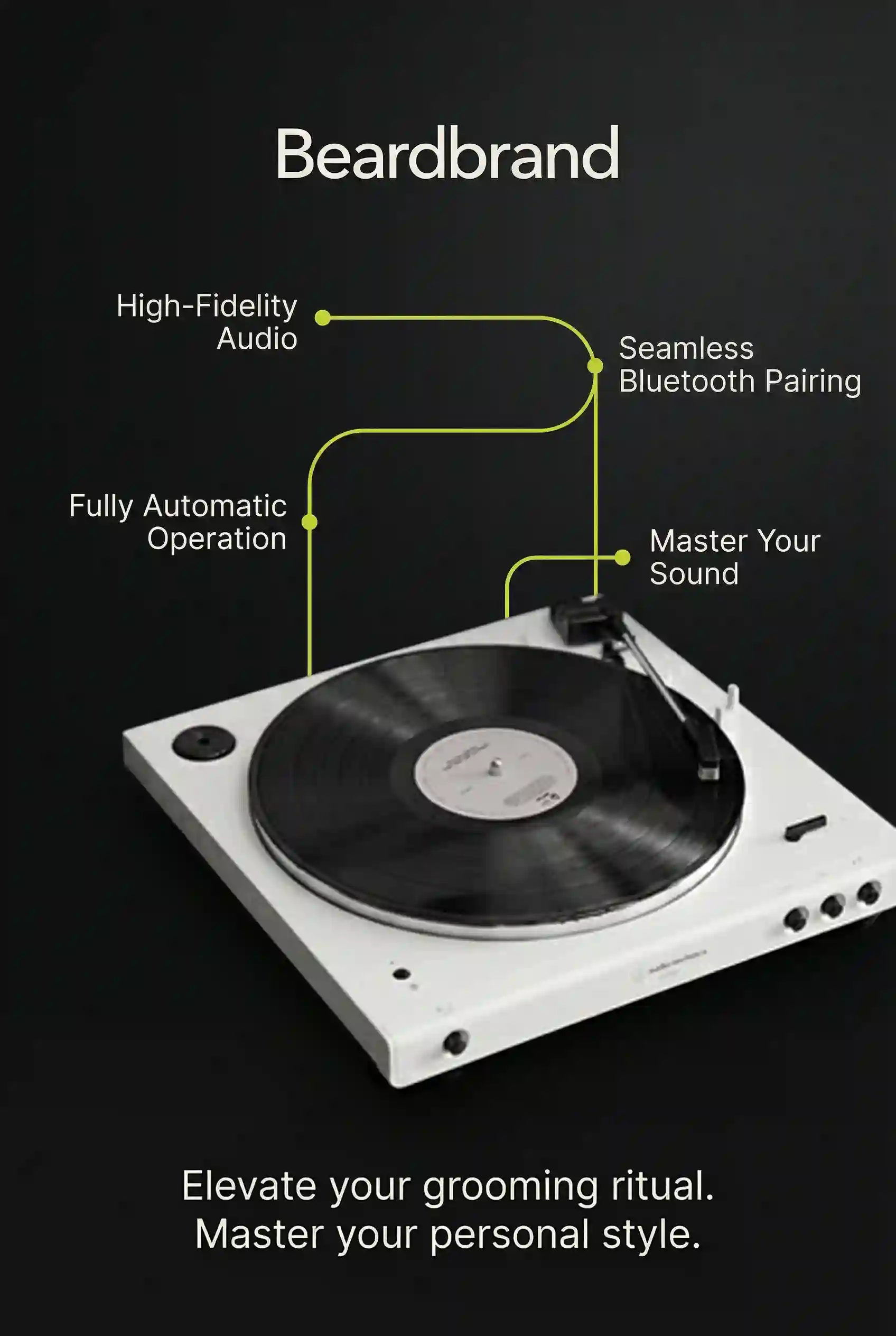
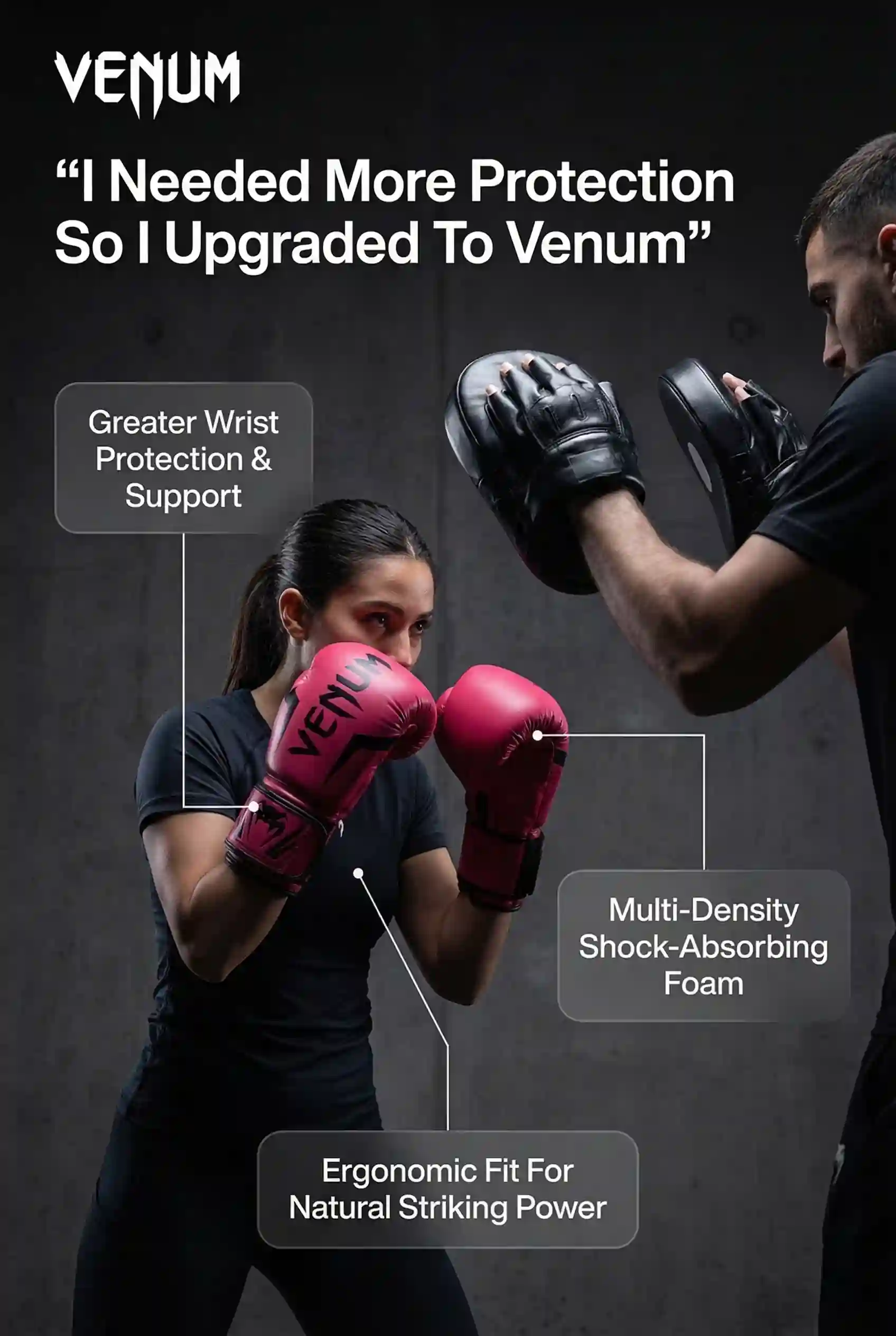
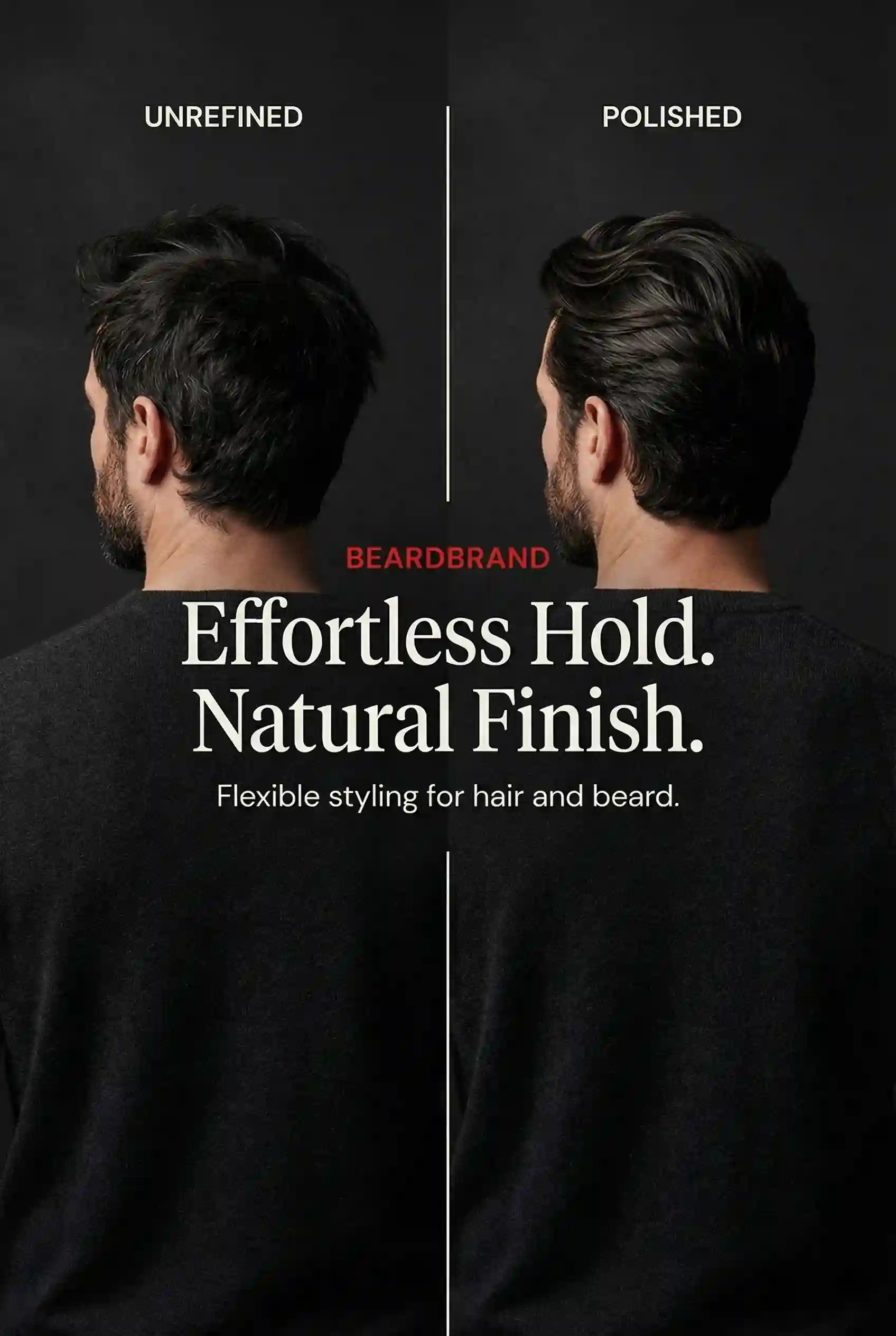
Where it fits in the ad workflow
The simplest workflow is: brief, draft, varianting, review, launch, refresh. Generative AI belongs in the creation stage, where speed helps. Human review still belongs before launch, where accuracy, brand fit, and final quality matter.
How generative AI advertising shows up in real campaigns
The real use of generative ai advertising is usually less dramatic than the internet makes it look. It is not mostly about one giant AI stunt. It is about getting more usable creative into the pipeline without dragging production out for weeks.
Business Insider reported in March 2026 that the biggest gains for CPG marketers are coming from high-volume social assets like headlines, lifestyle images, and short-form creative, not just from flashy campaign moments.
The same report says Mondelēz used to spend up to 10 weeks getting a six- to eight-second social video from concept to production, and now the team can prompt a version in less than five minutes, then move it into human review.
Coca-Cola is also using AI in parts of the marketing process people never see, especially around idea generation and behind-the-scenes creative work. That is what generative ai for advertising today looks like when it is actually useful: faster drafts, cheaper screening, and more creative options before real production money gets spent.
Copy, image, video, and synthetic concept testing
The most practical use cases are straightforward. Teams use AI to draft copy, build lifestyle imagery, sketch short-form video, and create boardomatics, which are rough animated ad previews used to test ideas early. Business Insider also notes that some marketers now use synthetic audience testing through digital twins before taking concepts into live consumer research, which cuts waste before a shoot or full campaign rollout.
What this looks like for a real business on Monday morning
If you run a small business, the practical use of generative AI advertising is much less glamorous than the headlines. I’d make that concrete with examples readers can steal.
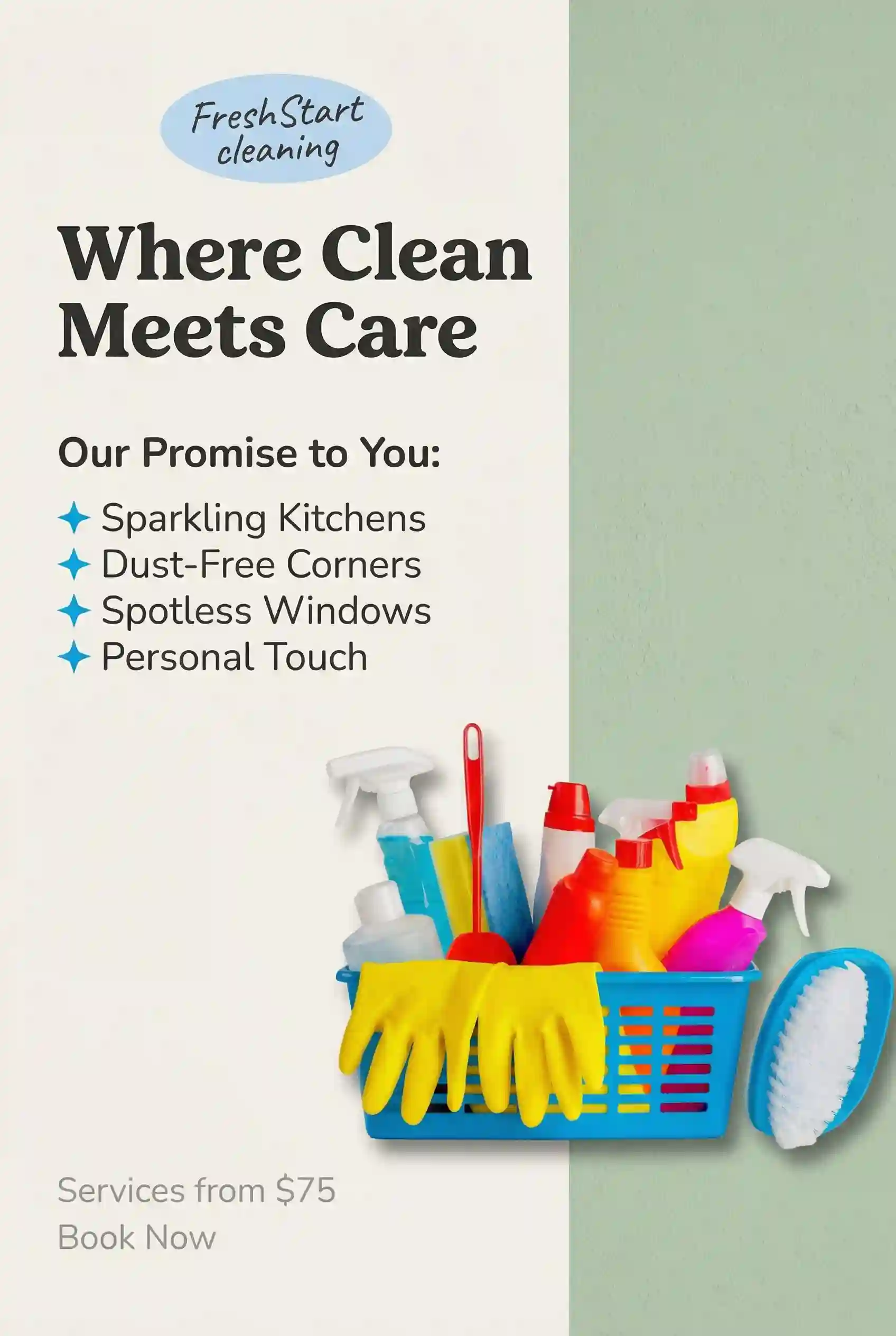
A local service business, like a cleaning company or med spa, does not need a cinematic AI video first. I’d start with static ads that test one promise, one local angle, and one call to action like “Book now” or “Get a quote.” Zeely’s campaign flow is built for both products and services, and its launch guide even calls out consultations and lead collection as a natural fit.


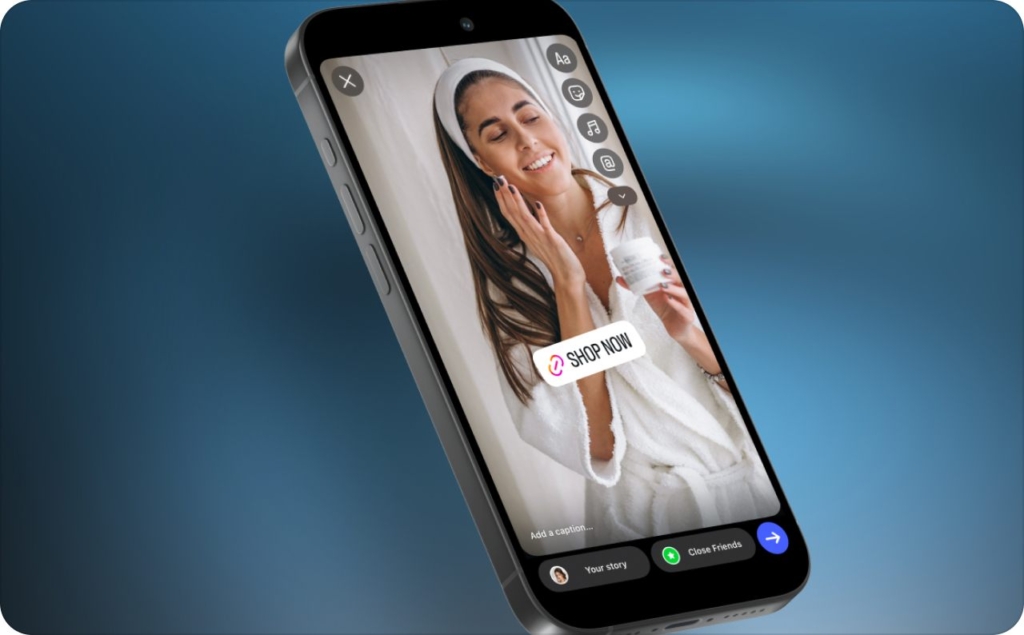
A skincare brand is different. Here I’d start with one clean product image, one benefit, and two or three static ads before touching video. If the product texture, finish, or before-and-after matters, that is when image-to-video starts earning its keep. Zeely supports both AI image ads and image-to-video creation, which makes that kind of test easy to stage without a full shoot.
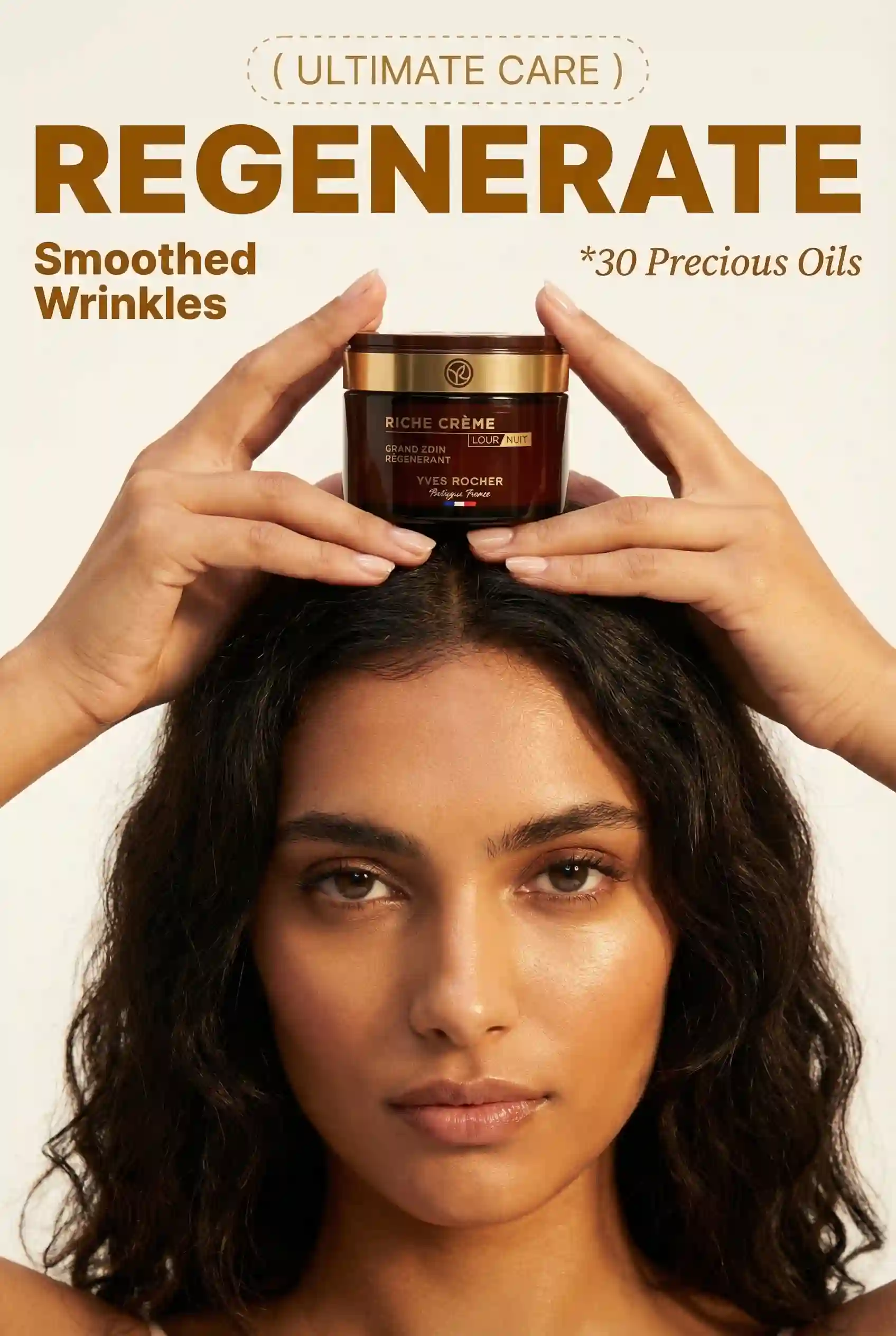
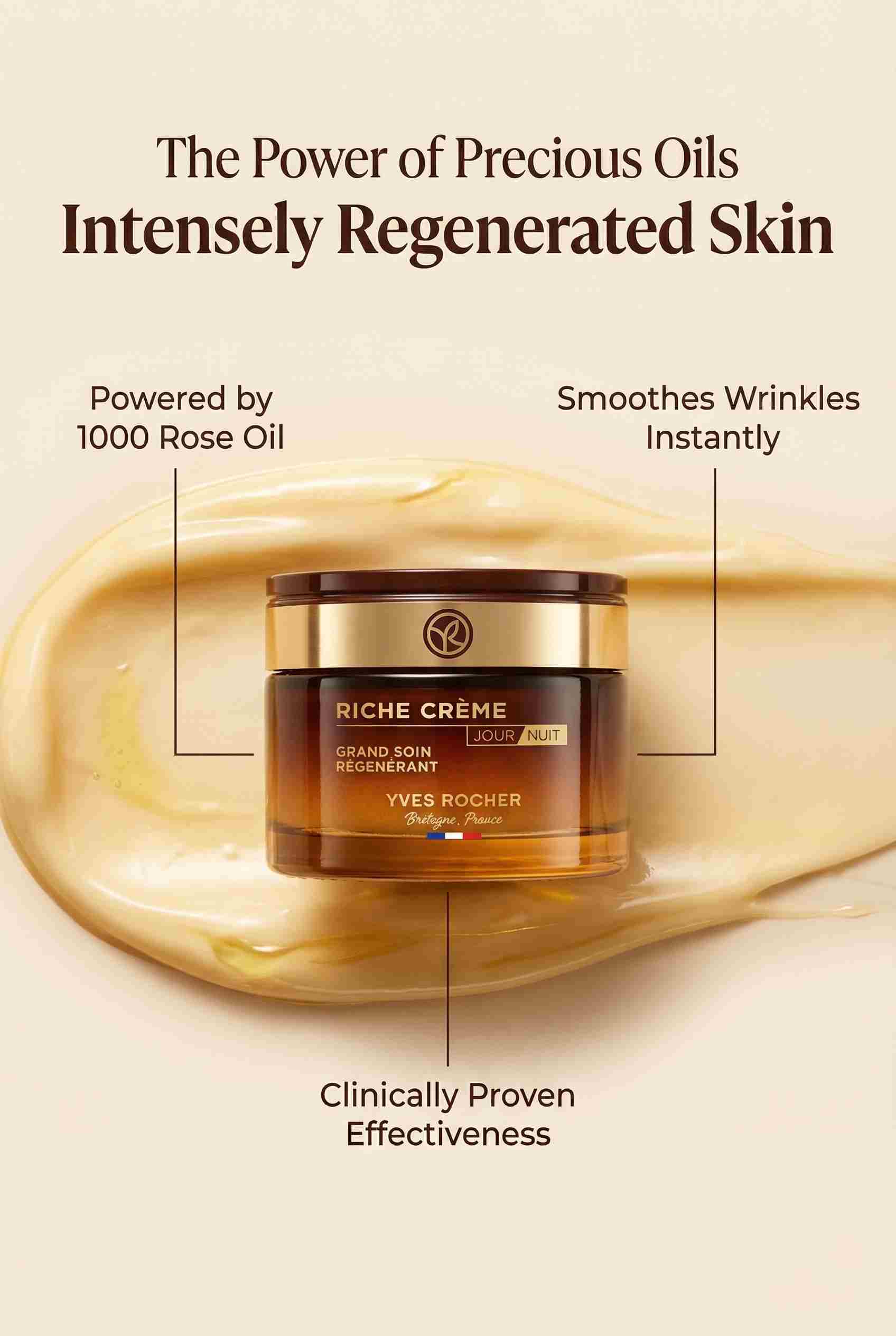
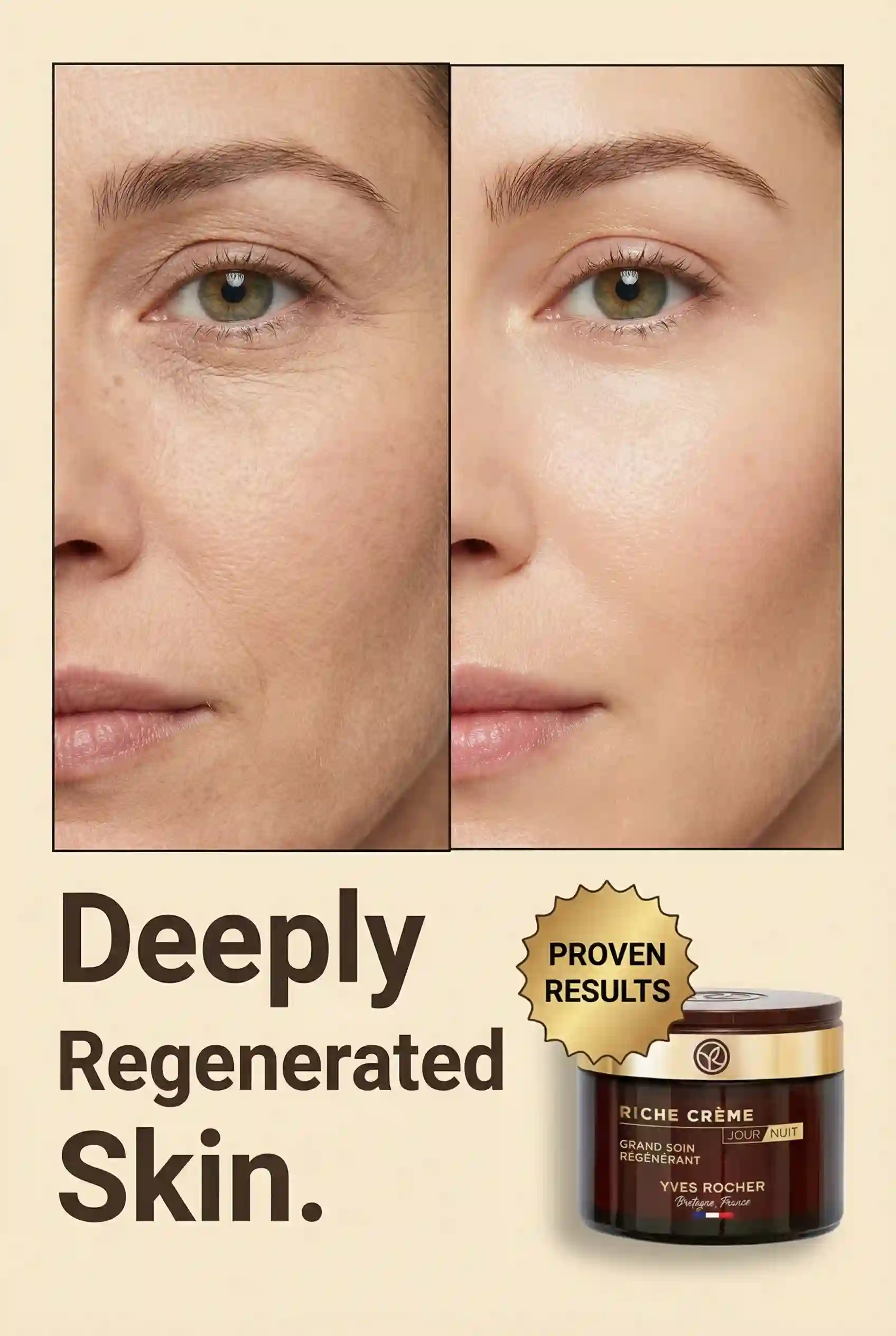
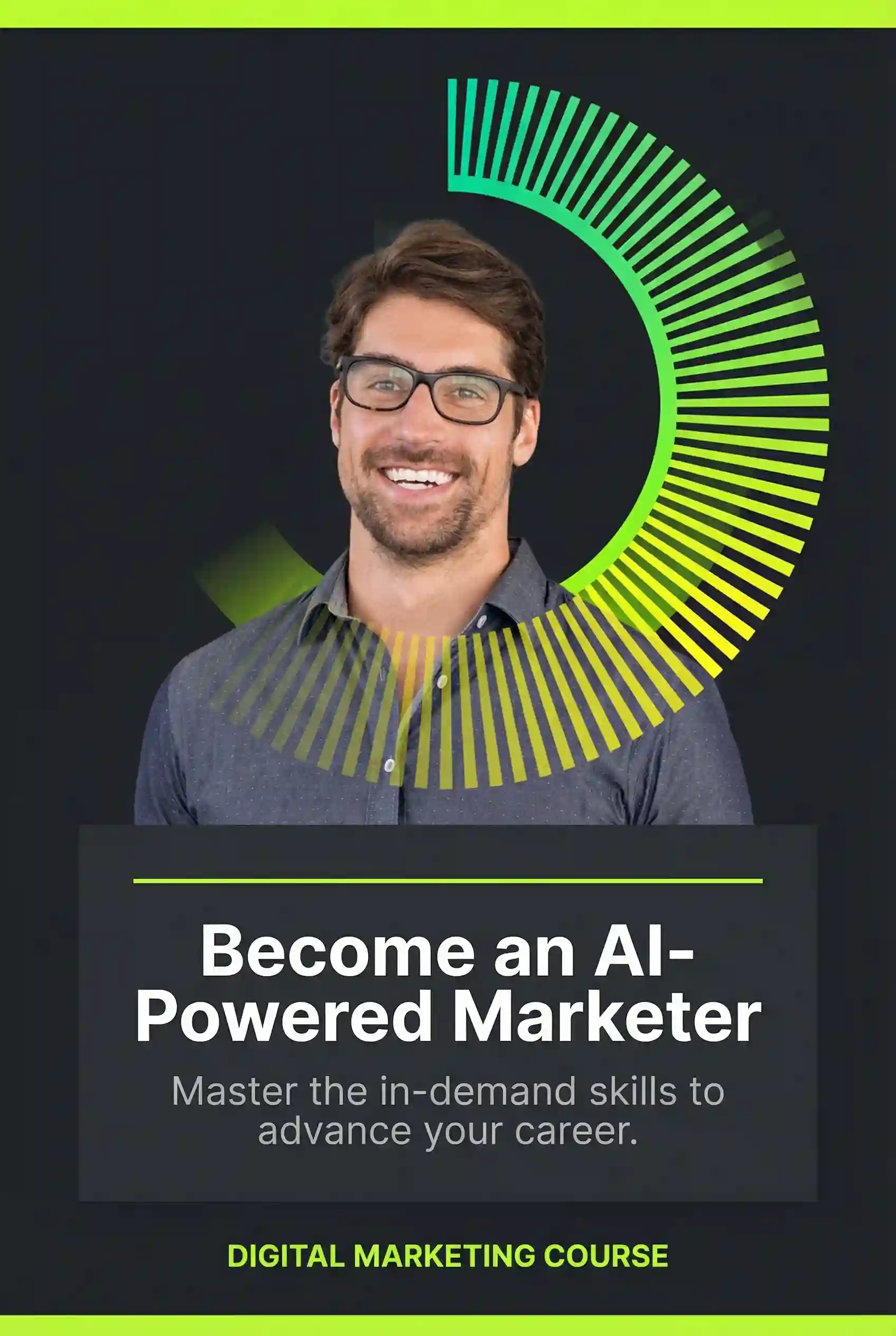
A coach selling a course or consultation usually has a different problem: no obvious physical product to show. In that case, I’d skip the fake product-style creative and start with a template-based static ad or a short ad avatar or text-to-speech explainer tied to one promise and one action. Zeely supports creating a creative without adding a product first, which fits this kind of offer much better.

Where an AI ad generator fits in the workflow
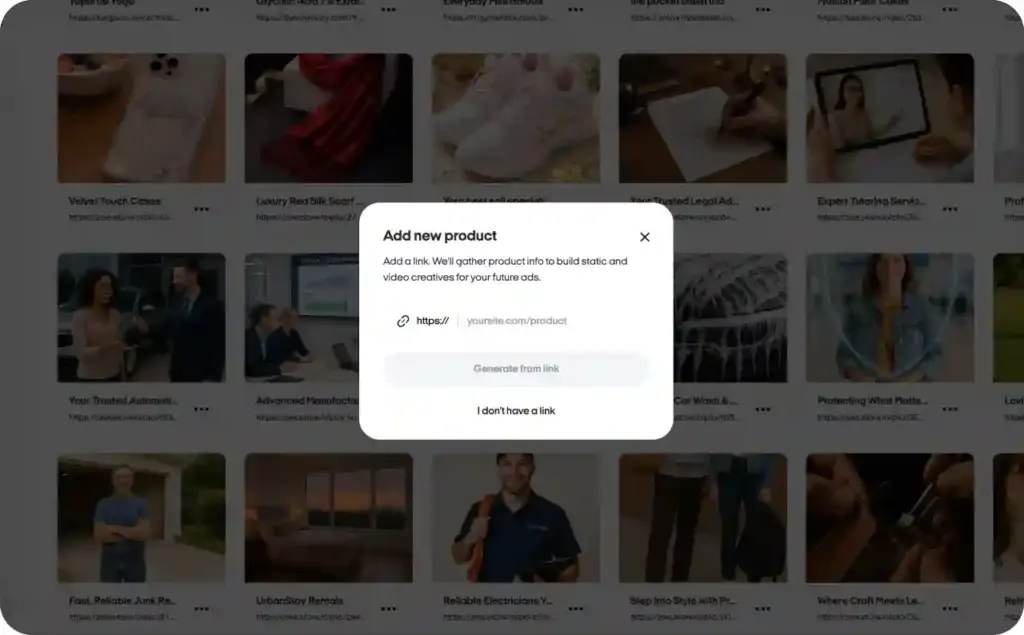
I’d place an AI ad generator in the part most teams waste time on: after you know what you’re selling, and before you’re ready to launch ads. That’s where manual work piles up. You copy product details, hunt for images, trim the description, guess a CTA, and still end up with one thin draft.
Zeely shortens that step. If you paste in a product-page URL, it pulls in the product name, images, price, description, and call to action, then turns it into a product ready for ad creation. That gives you a cleaner starting point and more room to focus on the part that actually drives sales: the offer, the hook, and the creative quality.
From product link to first draft
I’d start with the link, check the imported details, sharpen the core offer, pick one CTA, and generate the first creative. That keeps your first draft tied to the real product, not a vague prompt.
From draft to paid launch
One ad is rarely enough. The real value is getting a small batch of testable assets ready for review, so you can compare hooks, visuals, and copy before you spend money behind them.
Which AI generated ads actually work by format
The short answer is: different formats do different jobs. Static ads usually work best when you need to test angles fast. You can swap headlines, offers, product shots, and hooks without rebuilding the whole thing.
If your product needs to be shown, use video. If it just needs a better hook, start with static and save yourself time. That matters even more now because video is where attention already lives.
Static for angle testing, video for demos and depth
I’d use static ads to test the message first. They are faster, cheaper, and easier to compare side by side. I’d use video ads when you need a demo, a before-and-after, a product in motion, or a human face to carry trust. Social media ads do not all need the same format, and forcing video too early can waste time.
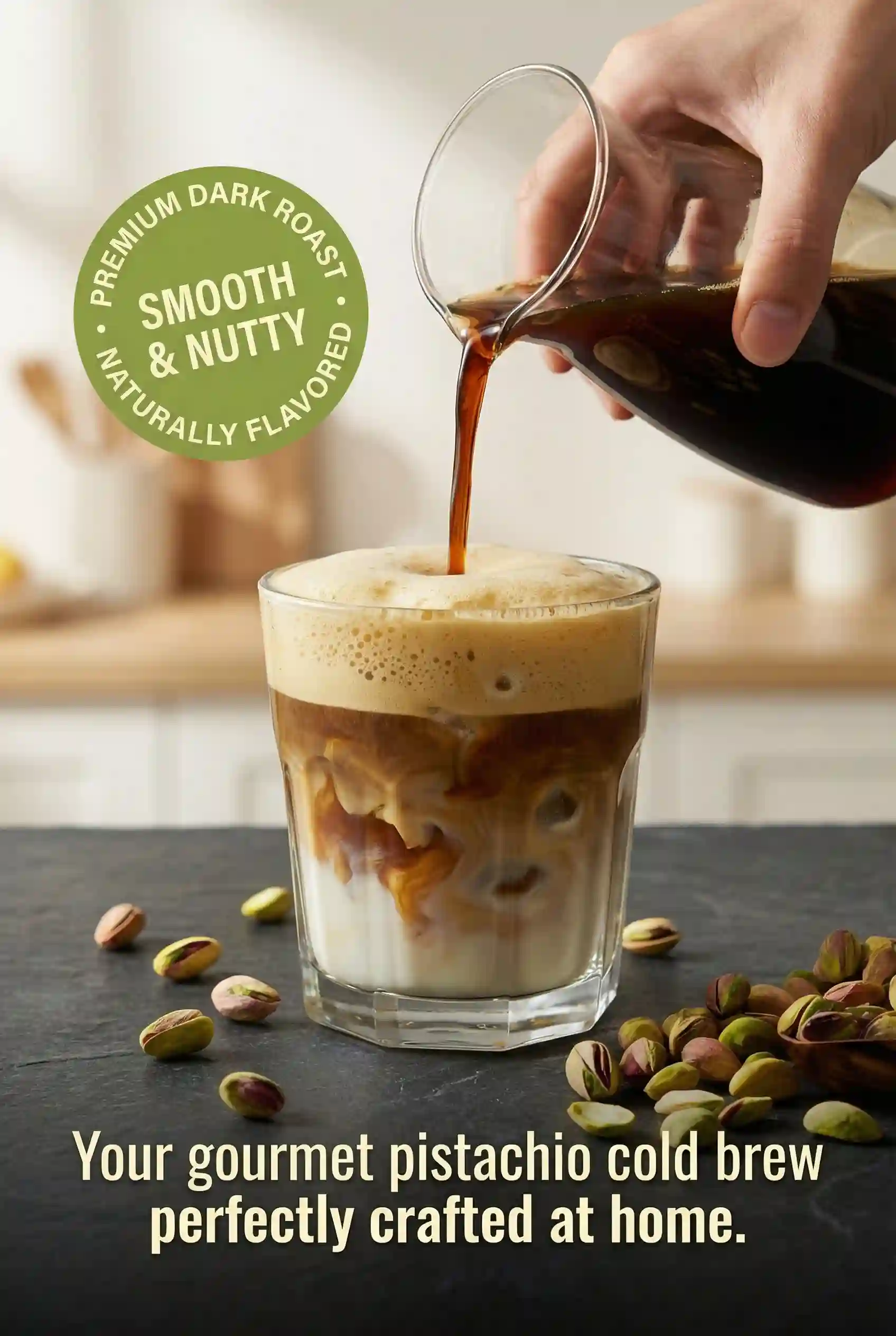
Image-to-video and avatar clips
Image-to-video works when one strong product visual needs movement or pacing. Avatar clips can help with simple explainers or UGC-style video ads, but not every product needs a synthetic presenter. When the avatar starts feeling stiff, over-scripted, or weirdly polished, people notice fast.
When AI powered advertising lifts results, and when it doesn’t
Yes, ai powered advertising can improve results, but not because AI sprinkles fairy dust on your campaign. It usually lifts performance because you can make more variants, refresh creative faster, and match the message more tightly to the audience and placement.
Meta’s January 2026 update is useful here because it shows where gains actually came from. Meta said its latest Q4 model rollout drove a 24% increase in incremental conversions compared with its standard attribution model. It also said a new run-time model across Instagram Feed, Stories, and Reels increased conversion rates by 3% in Q4, while Meta Lattice and back-end improvements drove a 12% increase in ads quality. That is the practical case for AI: better testing, better fit, and better refresh speed. Not automatic wins.
More shots on goal, not magic
This is the part people get wrong. AI does not save a weak offer, dull creative, or messy landing page. What it does well is help you test more hooks, build fresher ads faster, and keep creative from going stale. If results improve, it is usually because your campaign got more relevant and easier to optimize, not because the ad said “AI” somewhere on the label.
What brands should watch for with AI in ads
This is where I want to be blunt. AI in ads can save time, but it can also make your brand look sloppy faster. The usual problems are not dramatic. They are quiet and expensive: bland copy, off-brand visuals, fake-looking people, weird hands, claims nobody checked, and too many generated assets that all feel the same.
The risk gets bigger when teams confuse volume with quality. IAB’s 2026 AI Transparency and Disclosure Framework draws a clean line here: disclosure is needed when AI materially changes authenticity, identity, or representation in a way that could mislead people, and it explicitly avoids blanket labeling for every AI use. That is the right standard for trust.
Brand voice drift, misleading realism, and disclosure
I’d watch for three things first.
- Does the ad still sound like your brand?
- Does the visual look real enough to fool someone in a bad way?
- And are you using a synthetic human or altered image in a context where people could misunderstand what they’re seeing?
IAB is clear that routine production help does not need disclosure, but consumer-facing labels do matter when AI changes identity or representation in a misleading way. That is where a lot of brands will get careless.
Claims, proof, and human review
Fast content still needs proof. If your ad says a product works, saves, lifts, fixes, or beats something, a person should verify that before launch. Human review is not the boring last step. It is the step that protects your budget, your compliance, and your reputation.
Who gets the most from generative AI for advertising
I would not box generative AI for advertising into one type of business.
- Small businesses get speed and access.
- Agencies get throughput.
- Enterprise teams get scale, localization, and tighter control over repeated creative work.
Amazon Ads makes this point well in its 2026 piece on AI and advertising complexity: capabilities that used to belong to big enterprise teams with big budgets are now becoming accessible to brands of all sizes. It even describes a small business owner being able to describe a product and audience to an AI-powered tool and walk away with a full-funnel campaign and professional-quality creative. That is a very practical shift, not a theoretical one.
Small businesses, agencies, and enterprise teams
If you are a small business, the win is simple: less setup friction and fewer repetitive tasks before launch. If you run an agency, the win is turning one concept into many usable variants without burning hours on manual resizing and rewrites. If you are on an enterprise team, the win is keeping creative output moving across many products, teams, or markets without losing control.
How to start generative AI for advertising without the mess
I’d start smaller than most teams think.
- One product
- One promise
- One channel
- One small test budget
That keeps you from creating a pile of assets you cannot review properly. Zeely’s paid campaign flow gets this right: first pick your goal, then choose at least three creatives, ideally a mix of video and static, then review the copy, headline, and CTA before setting audience, budget, and duration. Zeely also recommends a minimum daily budget of $10 so the campaign has enough room to produce stable results. That is a sensible beginner setup because it gives you enough data to learn without turning your first test into chaos.
A five-step rollout for the first 30 days
Here’s how I’d do it:
- Pick one offer and one audience
- Build 3 to 5 creative variants
- Review claims, visuals, and brand fit
- Launch small and let the ads run long enough to learn
- Track CTR, CPC, conversion rate, leads, or sales, then refresh the weak creative weekly
One more thing, because this is where people get tripped up: check the product link before launch. Zeely’s team says that if a campaign goes out with the wrong link, they have to stop it, refund the remaining unused budget, and ask you to relaunch with the correct details.
Emma blends product marketing and content to turn complex tools into simple, sales-driven playbooks for AI ad creatives and Facebook/Instagram campaigns. You’ll get checklists, bite-size guides, and real results, pulled from thousands of Zeely entrepreneurs, so you can run AI-powered ads confidently, even as a beginner.
Written by: Emma, AI Growth Adviser, Zeely
Reviewed on: April 6, 2026