Chiropractor ads in 2026: What works best to turn searches into patients
Struggling to make your Chiropractor ads bring in consistent new patients? Zeely AI tested multiple ad angles, formats, and funnels to give you proven tactics that convert searchers into booked appointments.
What are chiropractor ads?
Picture someone waking up with sharp back pain. They grab their phone and type “chiropractor near me” or pause on a Facebook post promising relief. In that moment, the ad they see decides whether they call you or keep scrolling.
That’s what chiropractor and massage ads really are: short, clear signals that connect pain-motivated people with a nearby clinic. The best ones feel trustworthy, answer the question already in their head, and make booking simple.
And the need is real. Centers for Disease Control and Prevention report that one in four U.S. adults lives with chronic pain. Many of them are searching right now.

Types of chiropractor ads with real-life examples
Not every ad works the same way. Some catch people at the exact moment they need care. Others build familiarity so your name feels like the natural choice later. Video, in particular, has become a long-term driver: YouTube delivers 2.3× higher ROAS than paid social according to Google Ads.
Below, you’ll find the main ad types clinics rely on with a real-world example you can adapt today.
Google local services ads — pay-per-lead visibility for “chiropractor near me”
LSAs appear above regular Google Search results with a green “Google screened” badge and a click-to-call button. Instead of paying per click, you only pay for qualified calls or messages.
Why it works:
- Captures urgent pain searches within a tight radius
- Call-first flow reduces form drop-off
- Badge + reviews boost trust → more kept appointments
How to use it in your advertising:
- Choose “Chiropractor” as your service category, verify your practice, and upload your hours, reviews, and billing details
- Record calls, dispute unqualified leads, and remarket to missed callers
- Pair LSAs with SMS follow-ups and a 5-minute callback rule
Prompt example: “Same-day chiropractor in [City]. Call now.” Keep the focus on proximity, hours, and insurance. Review performance weekly, adjusting bids and radius until calls turn into consistent bookings.

Google search ads — capture patients at the moment of need
These are the text ads that appear right at the top of Google when someone types “chiropractor near me” or “sciatica treatment.” You pay per click, and the ad leads directly to a booking page or call button.
Why it works:
- Intent is explicit — you’re meeting demand, not trying to create it
- Queries tie directly to pain, proximity, hours, and insurance
- Ad extensions add phone numbers, location, pricing, and reviews
- Tight keyword groups (SKAGs or intent clusters) control costs and improve lead quality
How to use it in your advertising:
- Build separate campaigns for Brand, Core Services, and Emergency searches
- Use call extensions so patients can dial directly from the ad
- Track conversions by keeping appointments, not just clicks
- Add negative keywords to block irrelevant or costly traffic
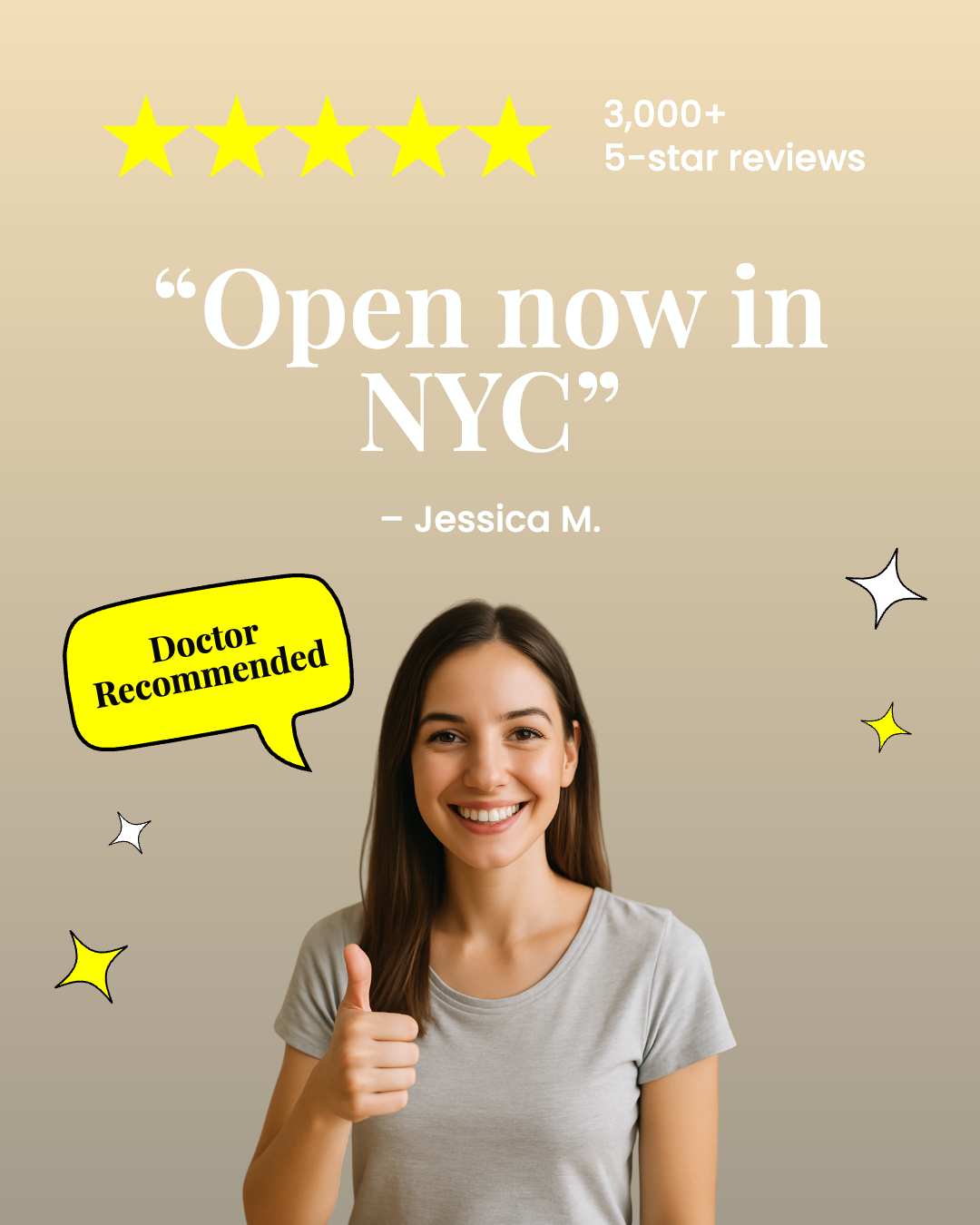
Prompt example: “Open now in [Area]. Chiropractor with same-week appointments.” Mirror the search query in your headline and URL. Review ad copy and search terms weekly, then scale up the keywords that consistently drive booked visits.
Google Maps/Business profile ads — be the top pick on the map
Local Search Ads move your Business Profile to the very top of Google Maps and the Local Pack. They show with a small “Ad” label, plus click-to-call, directions, and reviews. You control visibility by setting radius and hours in Google Ads.
Why it works:
- Patients in pain tap Maps first for the closest, best-rated option
- Mobile users act fast: calls, directions, or walk-ins
- Reviews and star ratings add instant social proof
- Map proximity lowers acquisition costs compared to broader PPC
How to use it in your advertising:
- Link your Google Ads account to your Business Profile
- Turn on location extensions and bid on “near me” and service-specific keywords
- Keep your NAP (name, address, phone), hours, services, and reviews spotless
- Post updates weekly to show activity and reliability
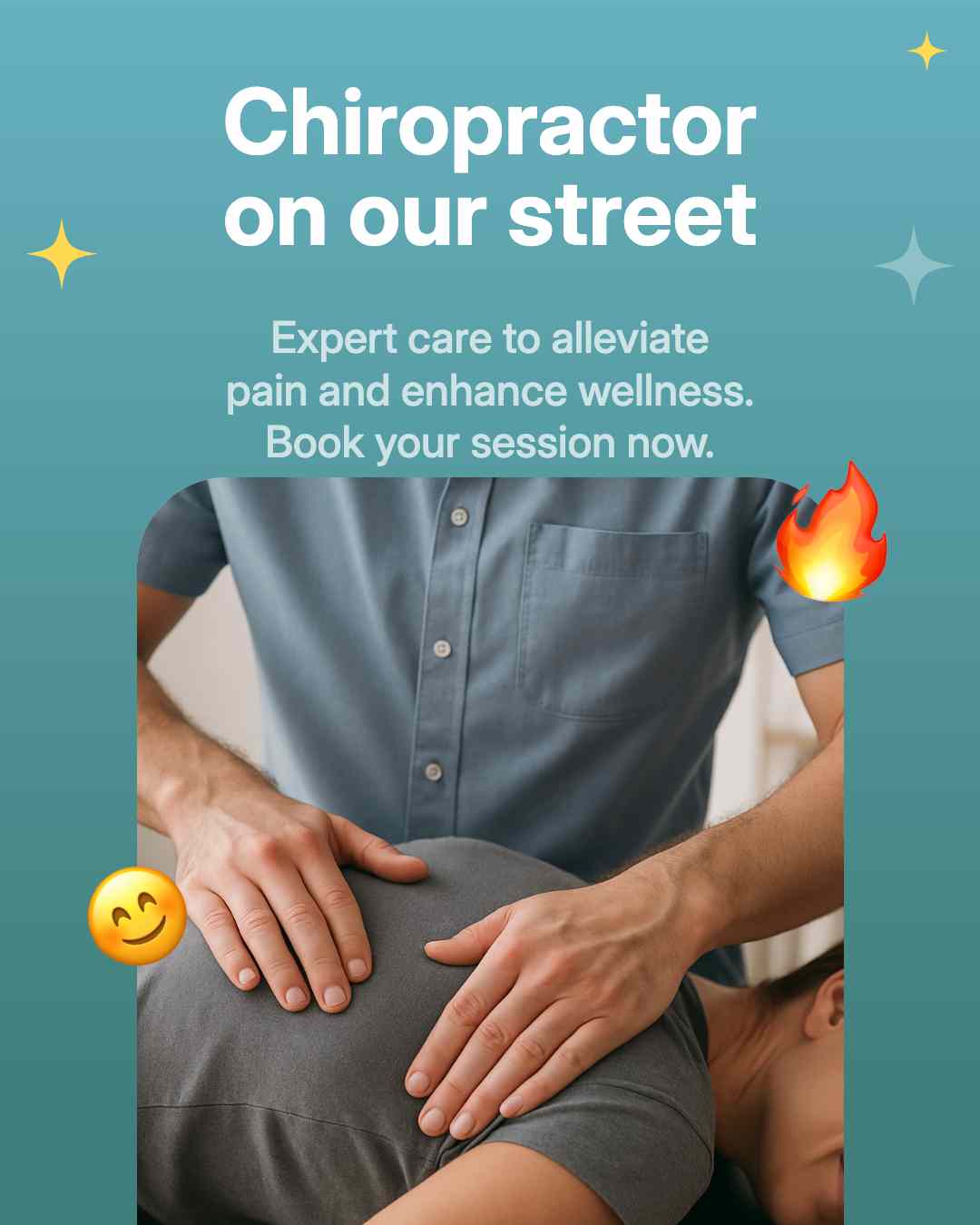
Prompt example: “Chiropractor on [Street], open today. Call now or get directions.” Lead with location and availability. Reinforce proximity in both copy and ad assets. Review your location targeting and extensions regularly to make sure you stay visible where it matters most.
Chiropractor Facebook ads — frictionless lead capture on mobile
Meta’s lead ads keep people inside Facebook or Instagram. The instant form pre-fills their contact details so booking a callback takes seconds. Your team follows up by call or SMS to schedule.
Why it works:
- Captures mid-funnel interest with symptom-based offers or promos
- Built for mobile — no waiting on slow landing pages
- Easy to qualify leads by adding custom questions
How to use it in your advertising:
- Offer a low-commitment first step (exam + consult, posture screen)
- Keep the radius tight and exclude current patients
- Connect the form to your CRM and send an auto-text within 5 minutes
- Track booking rates, not just lead volume
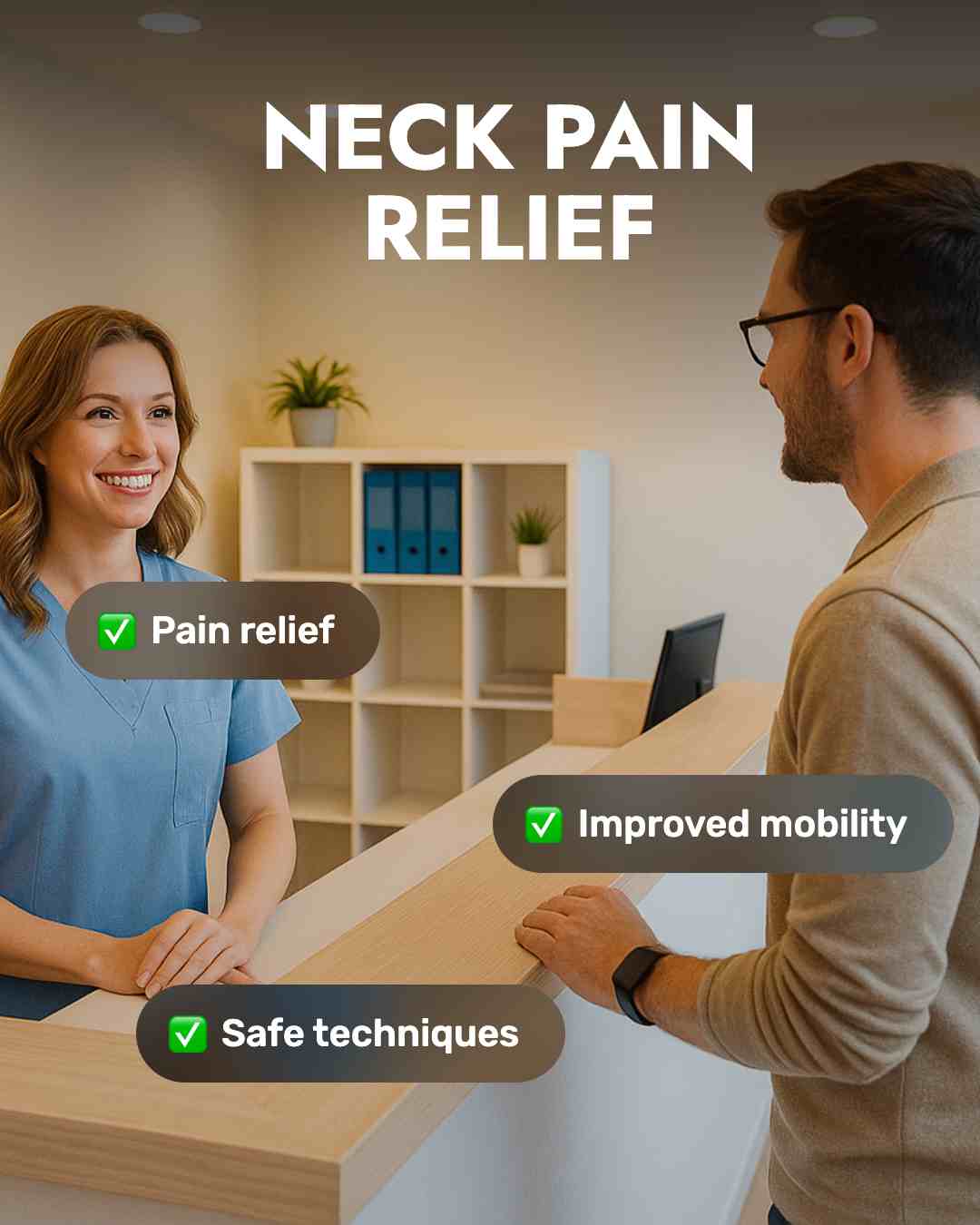
Prompt example: “Neck pain relief consultation this week in [City].” Match the copy to the symptom and location. Rotate creative hooks and instant-form questions until you see booking rates climb.
TikTok ads — capture attention where your patients scroll most
TikTok Ads place short vertical videos (15–30 seconds) directly in feeds. You can demo exercises, share “day in the clinic” clips, or bust common myths. Targeting covers location, interests, and lookalikes.
Why it works:
- Mixes education with entertainment, catching people before they search Google
- Builds authority with authentic, relatable content
- Low CPMs and viral reach potential
- Lets you retarget viewers who engaged but didn’t book
How to use it in your advertising:
- Record unpolished, authentic clips: doctor speaking to camera, HIPAA-safe testimonials, posture tips
- Add captions and a local hook In [City]?”
- Use TikTok Ads Manager to geofence and boost top-performing organic posts
Prompt example: “If your neck cracks like this every morning…” Hook fast with a pain-based opener. Keep the pace quick and the CTA simple “Book at [Clinic] today”.
Retargeting ads — turn “maybe later” into bookings
Retargeting shows sequenced ads to people who already interacted with you — site visitors, video viewers, or lead form submitters who didn’t schedule. Ads progress from education to proof to a clear offer.
Why it works:
- Reaches warm or hot intent audiences at low CPMs
- Social proof and FAQs chip away at hesitation
- Increases kept-appointment rates without chasing cold traffic
How to use it in your advertising:
- Build remarketing audiences by page visits and video views
- Cap frequency to avoid fatigue, and rotate creatives every 2–3 weeks
- Personalize messages by symptom or service type
- Always drive to the simplest booking path: online scheduling or direct call
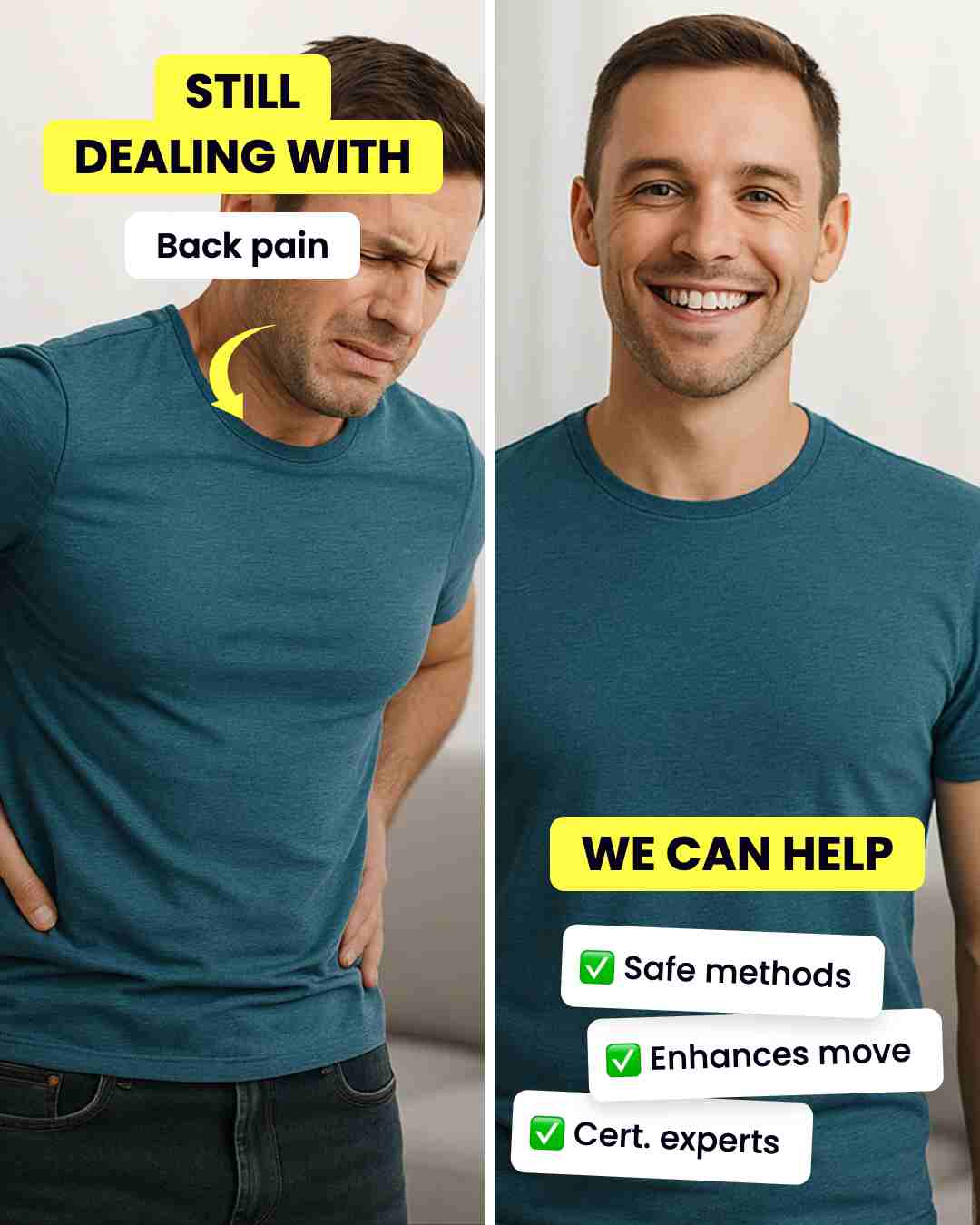
Prompt example: “Still dealing with [symptom]? We can help at [Clinic].” Show the doctor’s face, reviews, and a simple CTA. Sequence ads based on audience temperature: educate first, then reassure, then invite.
YouTube & short-form video ads — build authority in 30 seconds
These ads appear as skippable in-stream spots or Shorts/Reels-style clips. They introduce the chiropractor, explain a common symptom, and guide viewers toward booking. Targeting includes location, interests, and custom intent.
Why it works:
- Face-to-face education lowers fear and builds trust
- Reaches pre-search audiences who aren’t Googling yet
- Cheap views with the option to retarget engaged watchers
- Drives branded search and direct phone calls
How to use it in your advertising:
- Script 30-second videos with a clear structure: hook → empathy → simple plan → CTA
- Add captions, your logo, and clinic location to every ad
- Pixel viewers so you can retarget them with stronger offers later
Prompt example: “Sciatica rarely starts in the leg — it’s a nerve.” Lead with a fact that reframes their pain. Keep visuals clear, show the doctor speaking, and test new hooks in the first 5 seconds until you see steady view-through and bookings.
Email newsletter sponsorships — borrow trust from local inboxes
Instead of sending your own list, you buy a sponsored slot in neighborhood or city newsletters. You share a small tip plus a booking CTA.
Why it works:
- Hyperlocal audience with strong open rates
- Native format blends education with a soft offer
- Drives branded searches and direct calls
How to use it in your advertising:
- Pitch an “Ask the chiropractor” column or quick health tip
- Use unique tracking links to measure clicks and calls
- Retarget readers who opened or clicked with follow-up ads
Prompt example: “Three desk stretches to cut back pain today.” Tie it to a local cue — a street name or landmark — so it feels neighborly. Iterate subject lines and placements based on which ones drive calls.
Community expert ads — become the neighborhood specialist
Sponsor a Nextdoor business page or write a monthly local magazine column. Share advice, answer questions, and close with a soft CTA to book.
Why it works:
- Positions the doctor as a trusted local authority, not just a brand
- Reaches homeowners who act on recommendations
- Builds long-tail referrals and reviews over time
How to use it in your advertising:
- Publish monthly Q&As tied to seasonal pains (spring yardwork, winter posture)
- Include trackable links or QR codes
- Cross-post content to social and retarget readers with appointment offers
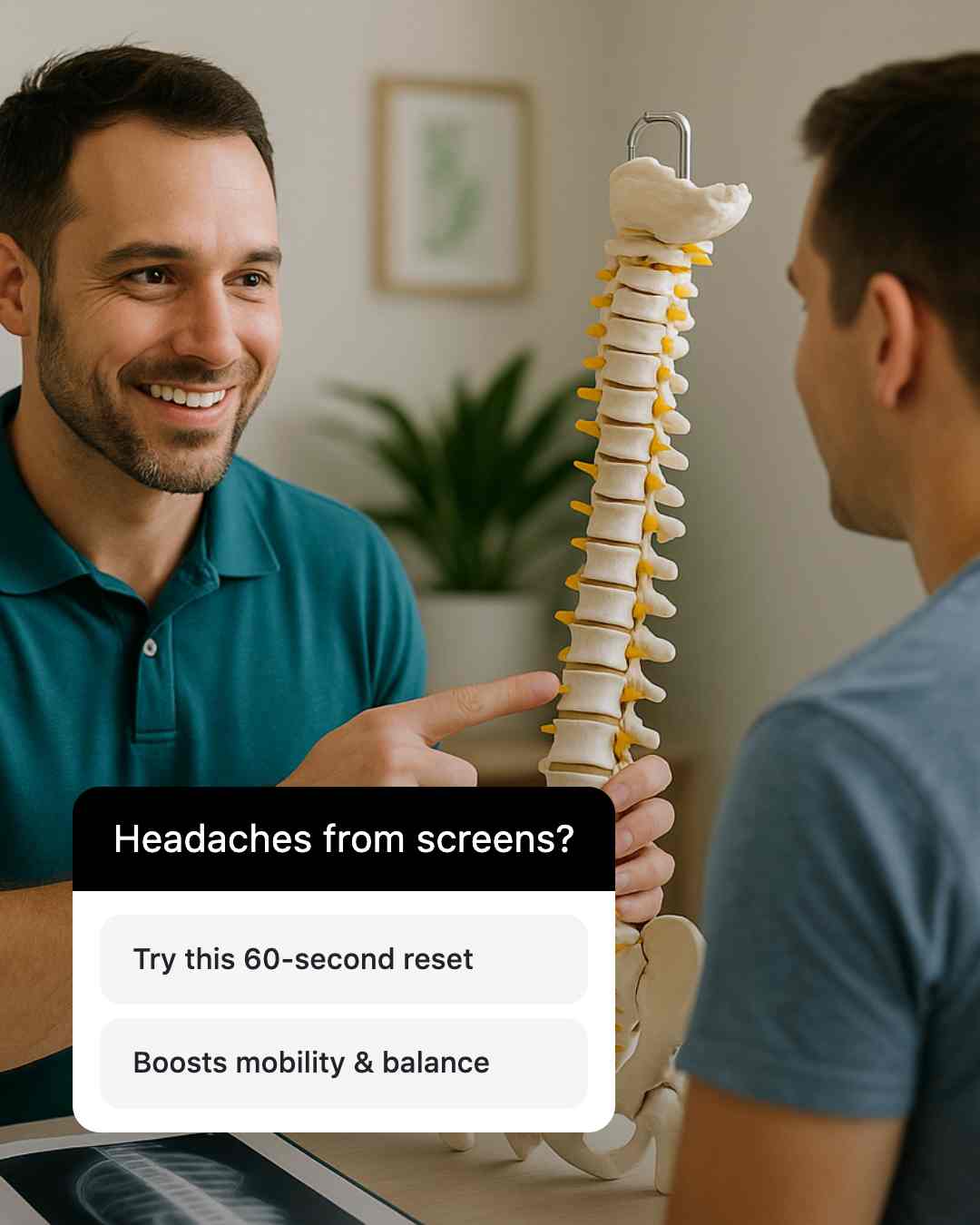
Prompt example: “Headaches from screens? Try this 60-second reset.” Keep the tone neighborly and location-specific. Refine topics each month based on engagement and new bookings.
Print ads — reach readers who still trust print
Small display ads or inserts in local papers still work. Keep them simple: clear offer, location callout, and a phone number or URL.
Why it works:
- Cuts through digital noise for certain demographics
- Older local audiences call more readily from print
- Boosts brand recall when paired with Maps and Search ads
How to use it in your advertising:
- Use large, legible copy and a map pin for orientation
- Run ads on Thursdays or weekends when readership peaks
- Mirror the same offer in your digital ads for consistency
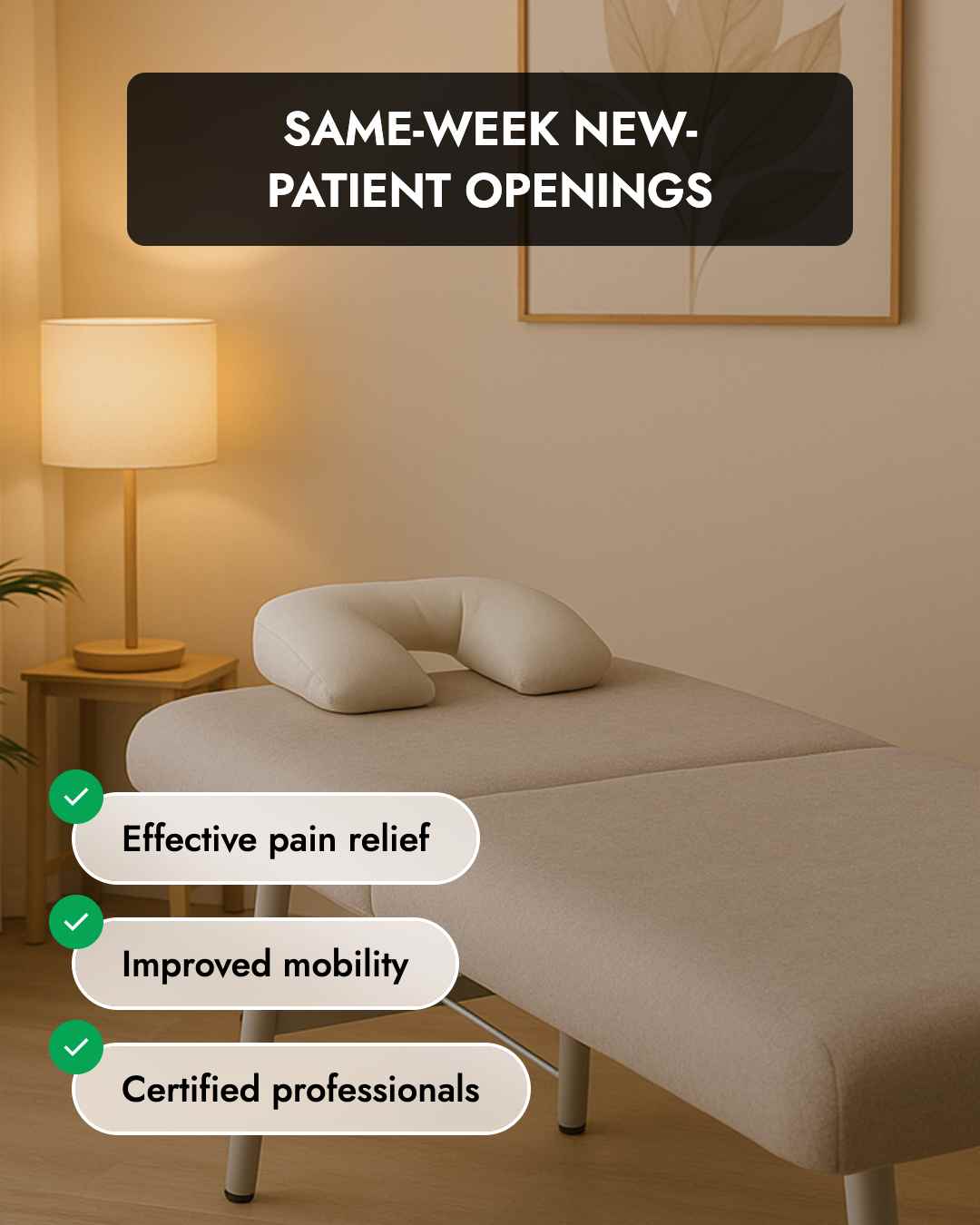
Prompt example: “Same-week new-patient openings in [City].” Include a recognizable landmark and a clear price or bonus. Track calls and kept appointments to refine headlines and placements.
Common elements of high-performing chiropractic ads
Whether it’s a chiropractor Google ad, a chiropractor Facebook ad, or even a short print notice in the community paper, the best campaigns have one job: remove friction in a stressful moment. They don’t shout. They don’t overpromise. They simply make it easy for someone in pain to think, “Yes, that’s the one I’ll call.”
And it helps to remember how fragile conversion really is. The average e-commerce site, according to Hubspot, converts under 2% of visitors. If a decision as low-stakes as buying shoes is that fragile, booking care for chronic pain is even more delicate.
A clear, direct answer to the searcher’s problem
Picture this: it’s early morning, and someone wakes with sharp lower-back pain. They grab their phone and type “chiropractor near me open now.” They’re not looking for a catchy slogan. They want certainty. An ad that simply says “Same-day chiropractor appointments available today” gets the call.
High-performing chiropractor ads remove the guesswork. They echo the exact words people use when they’re desperate for relief, then give a straight path to take action. No fluff, no jargon — just a clear answer to the problem already in the patient’s head.
Local relevance cues (neighborhoods, landmarks, hours)
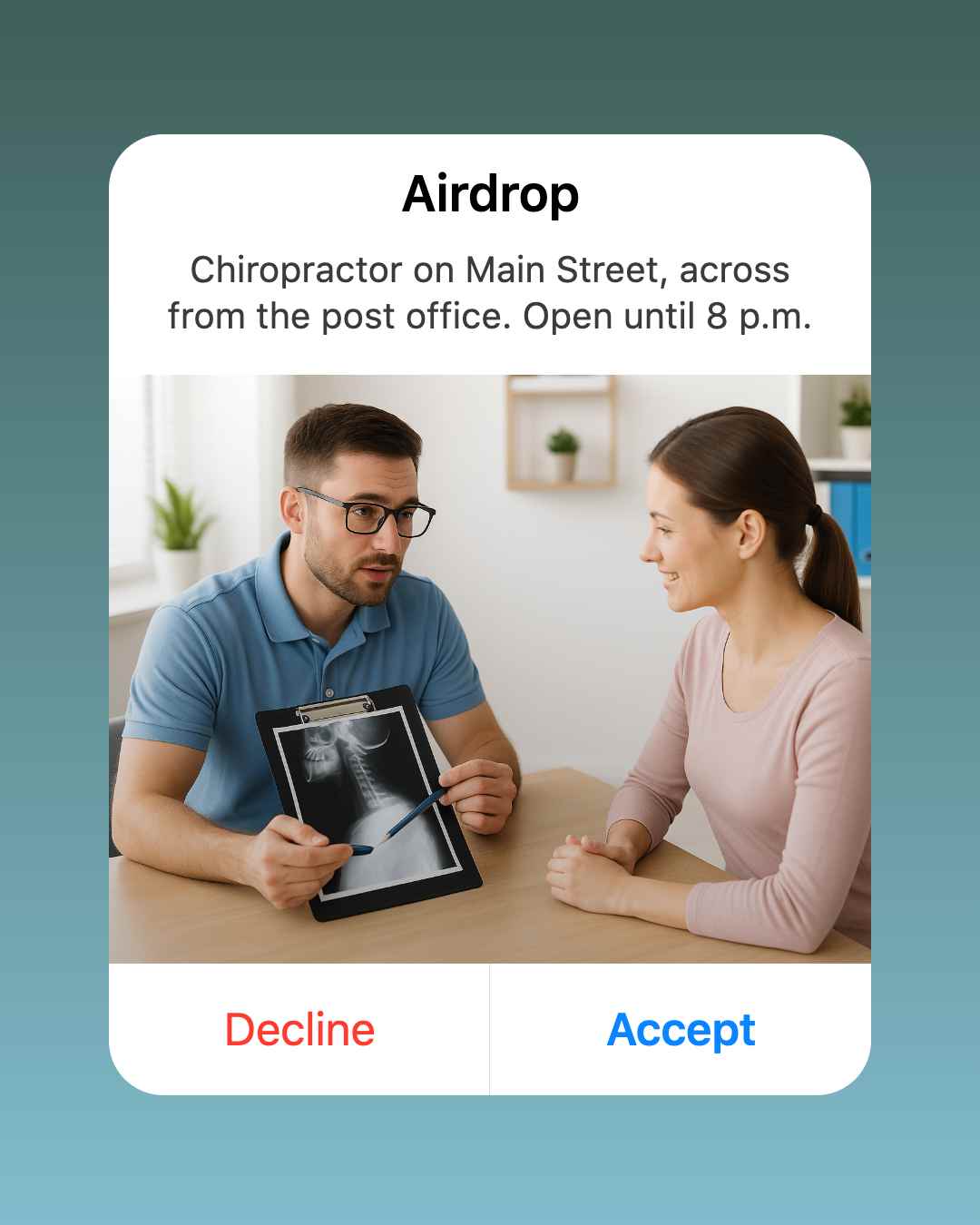
Think about what happens when pain strikes at the end of a workday. Someone searches “chiropractor near me” and scrolls past a list of clinics. Most ads feel distant — just names, numbers, or a ZIP code. But one stands out: “Chiropractor on Main Street, across from the post office. Open until 8 p.m.”
That tiny bit of context changes everything. Suddenly, the clinic feels real and reachable. The patient knows exactly where you are and that you’ll still be open when they leave work. These local cues — a street name, a landmark, evening hours — close the gap between hesitation and action. They make your ad feel not just relevant, but practical.
Trust signals (reviews, credentials, case examples)
Picture someone scrolling through chiropractor Facebook ads at midnight, rubbing their neck and wondering if care will really help. Doubt is the default. “Will this work? Can I trust them?” That’s where trust signals step in.
A “Google Screened” badge, five-star reviews pinned right in the ad, or even a short case example — “Sarah from Oakwood booked last month and is now back to jogging” — makes the decision easier. These aren’t bragging rights; they’re shortcuts to confidence. When pain makes people second-guess everything, proof is stronger than polish. It’s the moment a stranger sees themselves in your ad and thinks, “Maybe this could work for me.”
Frictionless booking (call, SMS, online scheduling)
Imagine someone hunched over their phone, wincing as they try to find help. They click an ad, but instead of relief, they hit a wall: a long form asking for ten pieces of information. By the third field, they close the tab.
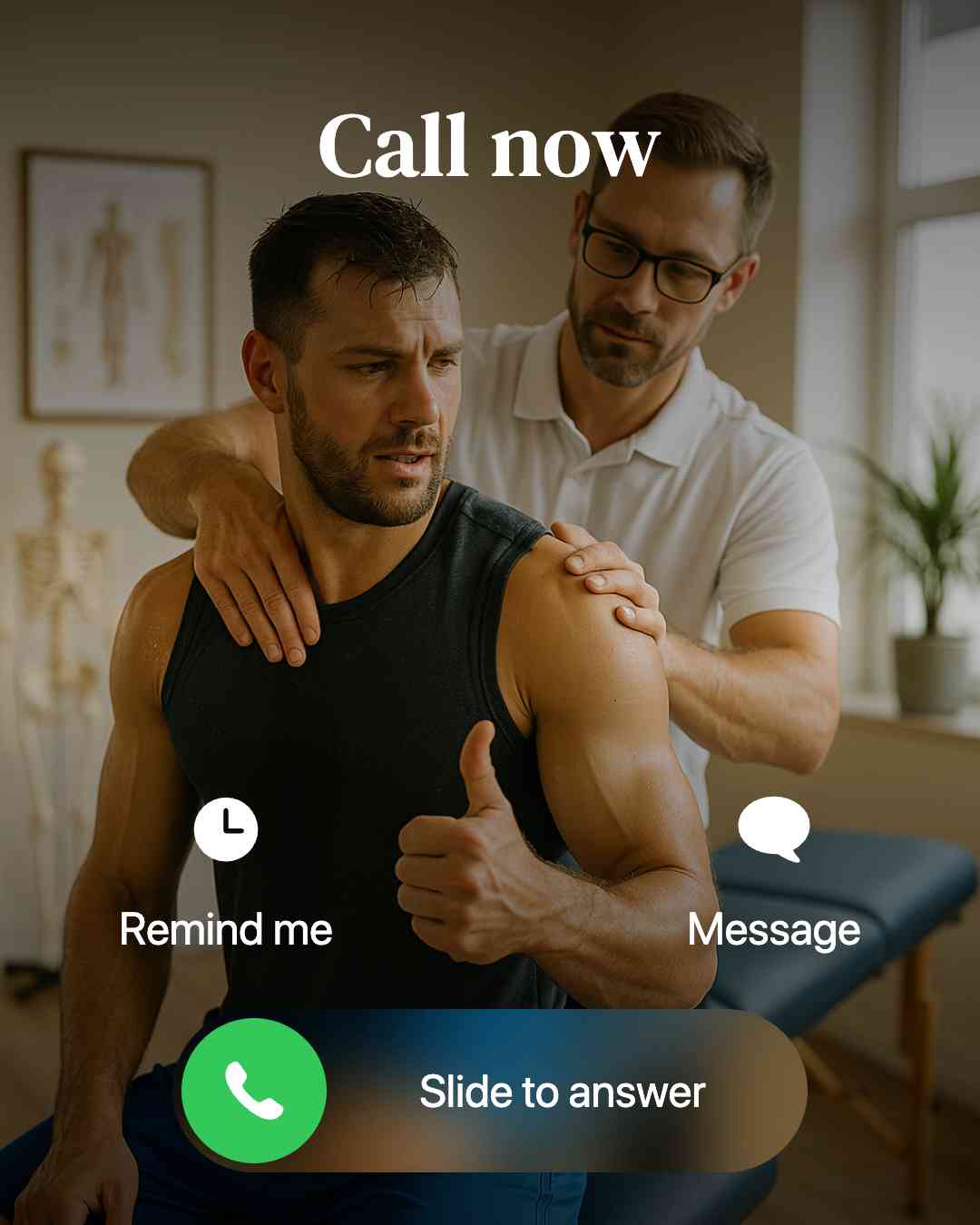
Now picture the same person seeing a one-tap “Call now” button or a prefilled SMS link. No extra thought, no wasted effort — just a direct line to help. High-performing chiropractor ads remove those hurdles. The easier the booking, the more likely pain turns into a kept appointment. Convenience isn’t just nice; in these moments, it’s everything.
Offer and risk-reversal that preserves value of care
Patients don’t just weigh price; they weigh risk. “What if I spend money and it doesn’t help?” That’s why strong chiropractor ads frame the first step as safe but valuable. Something like “Exam + consult — no obligation if not the right fit” lowers the barrier without cheapening your expertise.
It’s less about discounts, more about reassurance. You’re giving people permission to “test drive” the clinic without fear. That sense of safety translates into higher show-up rates — and more patients who stay for a full plan of care once they see the value firsthand.
First-second visual hook
Think about how people scroll. A thumb flick, a blur of posts, and half a second to decide if they care. If your chiropractor Facebook ad or TikTok clip starts slow, they’ll never hear your message.
Now imagine the first frame showing a neck cracking sound, bold text asking “Waking up stiff every morning?”, or a doctor leaning in to speak directly. That hook buys you another second — and another chance to keep them watching. In video advertising, the first second isn’t decoration. It’s the door. Without it, the best offer never even gets noticed.

Speed-to-lead workflows
Picture this: someone fills out a lead form at 10 a.m. with shooting sciatic pain. They’re hoping for a quick response. If your clinic calls back at 3 p.m., you’ve already lost them to another chiropractor — or they’ve given up altogether.
The clinics that win follow a five-minute rule. A text goes out instantly: “Hi, this is [Clinic]. We saw your request. Can we call now?” Then a real person calls back within minutes. That speed turns ads into appointments. It’s not the ad itself that makes the difference — it’s how fast you prove you’re ready to help.
Measure appointments and plan-of-care acceptance
It’s easy to celebrate clicks, impressions, or even raw leads. But imagine this: ten people click your chiropractor Google ad, three fill out the form, and only one shows up for care. On paper, the ad looked good. In reality, it barely moved your clinic forward.
That’s why high-performing chiropractic advertising is measured differently. The true metric is kept appointments — and ultimately, patients who accept a care plan. When you import offline conversions into your ad platform, you stop optimizing for vanity numbers and start building campaigns that predictably fill your schedule.
Compliance-safe language
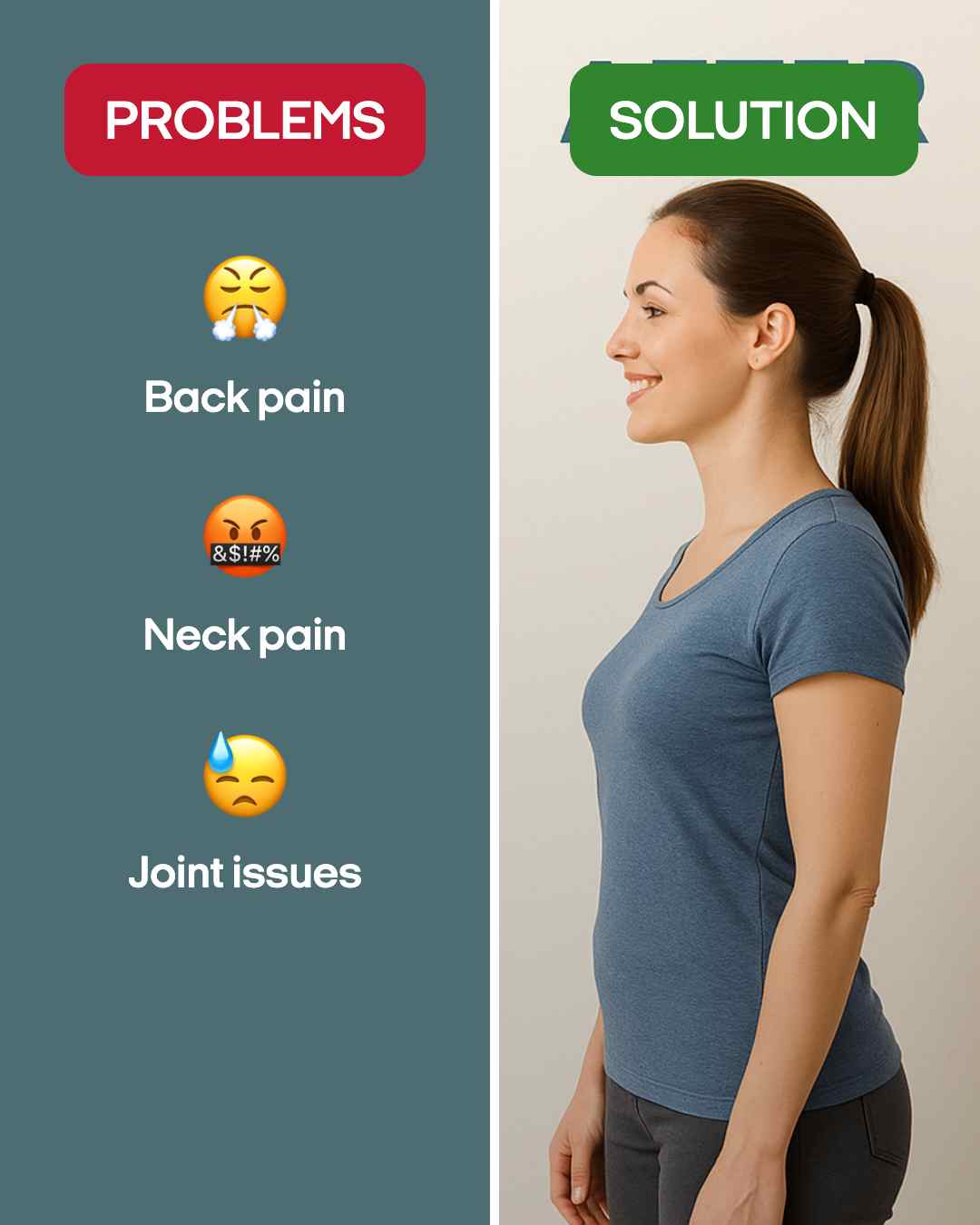
Advertising healthcare comes with lines you can’t cross. Imagine a Facebook ad that says, “We cure your migraines.” It might get clicks, but it could also get flagged — or worse, draw scrutiny from regulators.
The safer path is also the smarter one: focus on symptoms, availability, and education. “Headache relief appointments available this week in [City]” tells the same story without risky claims. Compliance-safe chiropractic ads protect your license, keep platforms happy, and still connect with the people who need help most. Boundaries don’t limit creativity — they guide it.
How to create high-converting chiropractor ads
Here’s how to put that system together step by step.
Start with intent, then choose the channel
A person searching “chiropractor near me” at 8 a.m. is ready to book. That’s where chiropractor PPC ads — Google Search or Maps — work best. Someone scrolling Facebook at night may not be ready, but they’ll respond to softer hooks and easy lead forms. Match intent to channel before you write a single line.
Match the offer to the stage of the funnel
Each funnel stage deserves its own “yes.” A search ad might promise “Same-day exam and consult, call now.” A Facebook ad could invite “Posture screen this week in [City].” Offers don’t have to be flashy — they just need to feel safe, specific, and appropriate for the level of urgency.
Write like you’re answering the patient’s question
Copy frameworks like AIDA or PASTOR are helpful, but the heart of good writing is this: answer the exact question in the patient’s head. If they typed “sciatica treatment [City],” your ad should look like a direct reply. In chiropractor Facebook ads examples, symptom-based headlines usually win because they sound like empathy, not sales.
Design ads to fit where they’ll appear
A search ad needs tight headlines and call extensions. A Maps ad leans on location and reviews. A chiropractor Facebook ad works best with an in-app form and strong visuals. A video ad has to hook in the first second. Don’t recycle one creative everywhere — design natively for each placement.
Stay local: radius, targeting, and exclusions
Most clinics overspend by casting the net too wide. Focus your ads on a 5–10 mile radius, exclude current patients, and update your geo-targets weekly. Local cues aren’t just about efficiency — they reassure patients that you’re truly nearby and available.
Test different angles, not just different pictures
Running three versions of the same ad with new stock images won’t teach you much. A smarter test is a 3×3 grid: three angles (symptom, convenience, credibility) times three creatives. Nine ads give you clear winners and losers. Name them carefully so you can track what actually works.
Track booked patients, not just clicks
A click doesn’t keep your schedule full — a kept appointment does. Sync your booking system so Google Ads and Meta see who actually showed up. That’s when chiropractor PPC ads become powerful: the platforms optimize toward real patients, not just curious browsers.
Respond fast: 5-minute rule for every lead
Leads go cold quickly. If someone submits a form at 10:00, and you call at 3:00, they’re probably gone. Build a speed-to-lead playbook: instant text reply, followed by a call within five minutes. Even missed calls should trigger an automated text back. The fastest clinics convert the most patients.
Review weekly: keep what works, rotate the rest
Every ad has a shelf life. Review performance weekly. Keep what’s driving appointments, kill what’s not, and scale the winners. Rotate creatives before they burn out. Even the best chiropractor Facebook ads examples stop working if you show them unchanged for months.
How much should a chiropractor spend on advertising?
| Channel | Typical monthly budget | Average CPL | What this means for a chiropractor |
| Google Search / Maps (PPC + LSA) | $1,500–3,000 (new clinics) $3,000–6,000+ (established or metro areas) | $50–70 per lead | High intent: people searching “chiropractor near me.” CPL looks higher, but these are the most likely to book and show. |
| Facebook / Instagram (Meta Lead Ads) | $800–2,500 to start, $2,500–5,000+ for steady pipeline | $25–60 per lead | Mid-funnel: symptom-driven ads + instant forms. Leads are cheaper, but require faster follow-up and good call scripts. |
| TikTok (Short-form video ads) | $500–1,500 for testing, $2,000+ for scale | $60–80 per lead | Awareness + curiosity: great for building presence, retargeting viewers into bookings. CPL is similar to Google but intent is lower — hooks matter most here. |
Why use an AI ad generator to create and scale chiropractor ads
The landscape is shifting. Reuters claims that AI-driven search ad spend in the U.S. is projected to surge from just over $1B in 2025 to nearly $26B by 2029. For chiropractors, this means one thing: the clinics that adopt AI for ad creation will scale faster — and at lower cost — than those trying to build ads one by one.
Most clinics don’t struggle with ideas. They know patients are searching for “back pain relief” or “chiropractor open today.” The real bottleneck is execution: making creatives, testing hooks, and refreshing ads before fatigue sets in. That’s where Zeely AI changes the pace.
You may also like

How Zeely’s AI supports chiropractic advertising automation
- Static ads in a minute. Paste your clinic website or upload an image, and Zeely generates multiple ad versions instantly. No Photoshop, no designer.
- Video ads without production costs. With AI avatars, captions, music, and quick editing, you can produce scroll-stopping videos in minutes. Perfect for chiropractor Facebook ads examples or short TikTok hooks.
- Pre-built hooks and CTAs. Choose from tested scripts like “Neck pain relief consult this week in [City]” or “Same-day chiropractor near [Landmark].” Zeely tailors them for compliance-safe copy that drives clicks.
- Bulk creative generation. Instead of crafting one ad at a time, Batch Mode creates dozens of static and video creatives at once — ready for Meta, Google, or TikTok.
- One-click campaigns. Launch ads directly to Facebook, Instagram, or Google with campaign automation. No separate dashboards to wrestle with.
- Consistency across every ad. Zeely respects your fonts, colors, and logo placement, so patients see a cohesive brand whether they’re on Maps, Search, or social.
Why this matters for your clinic
Picture this: you need fresh chiropractor PPC ads for Google and new social ads for Meta this week. Instead of outsourcing design, you open Zeely, type in your offer, and generate nine variations in minutes. You launch, track which ones drive kept appointments, and scale the winners — all without leaving the app.
That’s what chiropractic advertising automation looks like: faster cycles, lower costs, and ads that stay fresh without the usual grind.
AI doesn’t replace your expertise. It clears the manual work so you can focus on patients — while your ads keep running, testing, and improving in the background.
You don’t need a big budget or a design team to run high-performing chiropractor ads. Start small, test fast, and measure by kept appointments. With tools like Zeely AI, the heavy lifting of creative work is done for you — so you can focus on patients, not pixels.