What Is the Cost of Social Media Advertising in 2026?
What’s really driving the cost of social media ads in 2026? Zeely built this guide using campaign data from thousands of SMBs to show where real efficiency comes from.
Social media advertising cost is the amount you pay for visibility on platforms like Meta, TikTok, or YouTube. Every click, view, or conversion has a price is set by an auction that matches your ad to the right audience.
You’ll usually see it billed as CPC (cost per click), CPM (per thousand impressions), CPV (per view), or CPA (per action). Modern campaigns use tCPA or tROAS goals so the system spends where results are most likely. In plain terms, it’s how your budget turns into reach, and your reach into measurable outcomes.

How much does social media advertising cost in 2026?
Social media ad costs in 2026 still come down to one thing — competition. Every platform runs on live auctions where your bid, creative, and audience quality decide the price. Costs shift with your goal. It can be traffic, leads, sales, audience size, and timing. They expect spikes in Q4 when everyone spends more. Most marketers are now holding budgets steady, with Gartner’s 2025 survey showing spend flat at 7.7% of company revenue, so efficiency matters more than volume.
| Campaign type | Example path | Resulting cost |
| Traffic | 2% CTR → $1.20 CPC → 5% CVR | ≈ $24 CPA |
| Video | $0.03 CPV → 30% VTR → 3% CTR | ≈ $33 Assisted CPA |
| Leads | $1.50 CPC → 10% CVR | ≈ $15 CPA |
That’s what the cost of social media advertising really means. It is an auction that rewards relevance, not just spend.
Pricing models explained (CPC vs CPM vs CPA vs CPV)
Social media ads don’t have one flat price. You pay based on the action you want—clicks, views, or conversions. That’s what the pricing model defines: when you’re charged and how each result is measured.
CPC – Cost per Click
You pay each time someone clicks your ad. It’s common for lead or traffic goals. A higher click-through rate usually lowers cost because your ad proves relevant.
CPM – Cost per Thousand Impressions
This charges for every 1,000 views, no matter who interacts. It fits awareness campaigns. Strong visuals and headlines make impressions cheaper by boosting engagement.
CPA – Cost per Action
You’re billed only when someone converts — fills a form, installs an app, or buys. It’s the most performance-driven option but needs steady conversion data to learn.
CPV – Cost per View
Used for video ads. You pay when a viewer watches a short portion (often two seconds or more). Better targeting and creative storytelling reduce CPV.
Quick math for the cost of advertising on social media
Expected CPA = CPC ÷ CVR
Break-even CPC = Target CPA × CVR
Break-even CPM = (Target CPA × CTR × CVR) × 1000
These formulas help you see if your spend matches your results. Once you know which event you’re paying for, you can tell whether your ads are buying attention or real outcomes.
Core factors that drive cost
Social media advertising cost changes with every signal your campaign sends: goal, audience, creative, and timing. The system adjusts bids in real time, rewarding clarity and punishing guesswork. Here’s how that plays out in practice.
1. Objective and optimization event
If you optimize for purchases instead of clicks, expect higher costs. The system needs more data to find proven buyers. For example, an ecommerce brand running a “Sales” campaign might pay $25 CPA, while a traffic campaign on the same budget sits closer to $6 per lead.
2. Auction quality and relevance
Platforms favor ads people interact with. When a creative pulls a 2.5% CTR instead of 0.8%, CPC can drop by almost half. That’s why frequent testing and fresh copy matter more than small bid tweaks.
3. Audience size and overlap
Smaller, high-intent audiences convert well but cost more. A B2B SaaS company retargeting 5,000 site visitors might see CPMs near $45; broad awareness campaigns often stay below $10. Both are healthy, just built for different stages.
4. Seasonality and competitive density
In Q4, retail CPMs can spike 30–50% as advertisers flood the auction. Brands that front-load creative in October usually hold steadier costs than those who rush in late November.
5. Signal quality
When Conversion API (CAPI) or Enhanced Conversions feed clean data back, algorithms spend smarter. One Zeely user saw CPA drop 18% in a week after fixing pixel delays—proof that better signals lower waste.
6. Creative format and placement
Short-form videos like Reels or TikTok often reach broad audiences at low CPMs but fatigue fast. Static image ads age slower but cost more per conversion. Rotating 3–6 creative types keeps results steady.
7. Geography and industry
Ads targeting New York or London cost more than rural areas. In finance, a $100 CPA might be normal; for beauty services, $10–$20 is typical. Geography and vertical define the auction floor.
8. Learning phase and volume
When you launch new campaigns, costs run 15–25% higher until algorithms learn your audience. Keeping 50+ conversions per event per month helps stabilize spend quickly.
All these factors feed one system — relevance. When your signals are clear and your creative earns attention, platforms reward you with lower costs and steadier performance.
Platform-by-platform cost drivers
Every platform has its own invisible math. Your spend rises because the system’s reading your signals, your volume, or your competition differently. Here’s how those mechanics play out, and how to steer them.
Meta (Facebook & Instagram)
Meta’s auction prices your ad by signal strength and audience competition.
- Advantage+ placements mix cheaper inventory (Reels, Stories) with costlier ones (Feed). If Meta can’t find data fast, it buys pricier impressions to compensate
- Reels vs Feed CTR: when Reels pull higher CTRs, they lower CPMs because Meta sees strong engagement, but those clicks often have weaker downstream intent
- Event volume: you need consistent conversions to exit the learning phase; until then, CPMs stay inflated while Meta “tests” audiences
- Conversion API: stronger event match rate = better data = lower CPA, since Meta wastes less budget guessing
Guardrails
- If CTR drops 20–30%, Meta assumes fatigue and hikes costs to find new users. Refresh before that
- Exclusion lists reduce audience overlap, preventing self-bidding that quietly inflates CPMs

Photo source: Meta
TikTok
TikTok’s pricing moves with creative freshness and completion rate.
- Spark Ads carry creator trust signals — TikTok rewards that with cheaper CPMs. Non-Spark can scale faster, but at higher rates
- Short-video CTR norms: 1–2% is solid; above that, you earn delivery priority (cheaper reach)
- Fast fatigue: engagement collapses after 5–10 days, forcing the algo to re-learn — which spikes cost
- Audience expansion: when your base creative works, expansion brings cheaper CPMs because the system finds easy wins
Guardrails
- Rotate hooks every 7–14 days to avoid the fatigue penalty
- Retarget video viewers with high-intent ad types — they convert cheaper than new cold impressions
LinkedIn charges for scarcity and intent.
- Senior roles and small audiences mean higher CPMs and you’re bidding in thin supply
- Lead Gen Forms reduce friction, improving conversion rate and lowering effective CPL even if CPMs stay high
- Website leads bring higher downstream quality but cost more upfront
Guardrails
- Over-targeting (skills + groups + seniority) shrinks reach and raises cost per impression fast
- Cap frequency early; repetition in small pools tanks CTR and raises CPC
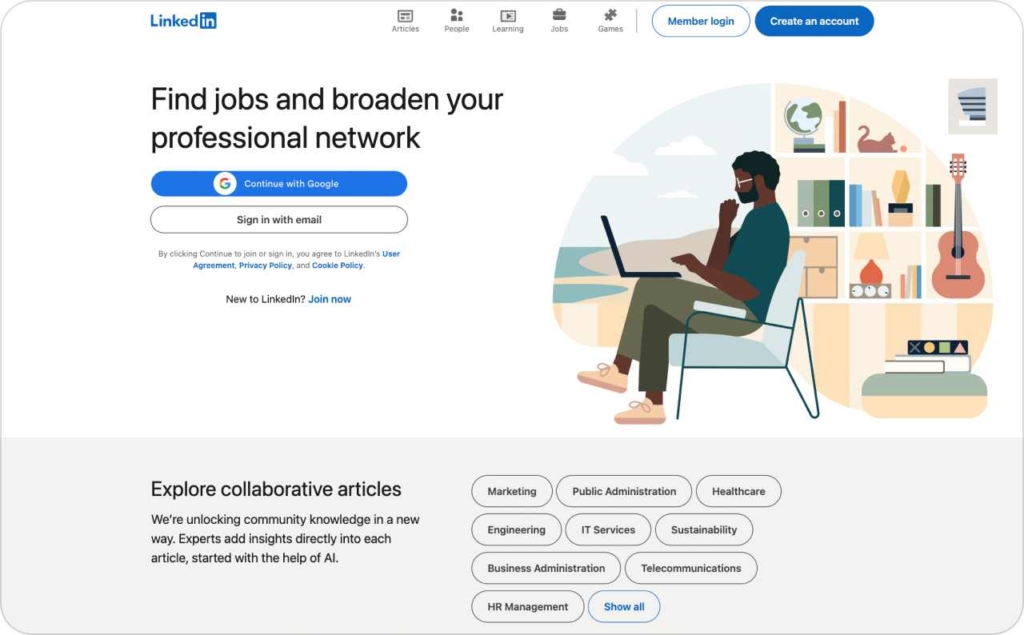
Photo source: LinkedIn
X (Twitter)
X’s cost curve depends on inventory quality and intent signals.
- Conversation inventory is cheap but volatile. It means the engagement’s high, conversion’s low
- Link-click inventory is pricier because fewer advertisers run it, and CTR data matters more
- Keyword intent helps the algo pre-qualify users; better match = lower CPC
- Brand suitability filters can slightly raise CPM but save money lost to irrelevant clicks
Guardrails
- Keep brand-safety filters on — “unsafe” placements may look cheap but drag ROI down
- Monitor invalid traffic; bot clicks waste spend without data value
YouTube
YouTube’s algorithm prices attention in seconds watched and view quality.
- Skippable ads win low CPMs because they’re auctioned on partial views
- Non-skippables cost more but guarantee full impressions, which boost remarketing efficiency later
- Shorts have cheaper CPMs; pairing them with view-based remarketing keeps later conversion costs low
Guardrails
- Hook hard in the first five seconds; low watch time raises CPM
- Exclude kids’ or low-relevance content — wasted impressions inflate averages
Pinterest optimizes for relevance and seasonal intent.
- Interest + keyword overlap tells the system your ad fits more searches — higher match rate = lower CPC
- Shopping feed quality drives ad rank; missing data or poor imagery forces you to pay more for clicks
- Seasonal spikes: holiday demand surges raise competition, inflating CPM temporarily
Guardrails
- Use negative keywords to protect from irrelevant placements that dilute CTR
- Refresh evergreen creatives before peak shopping to maintain click efficiency
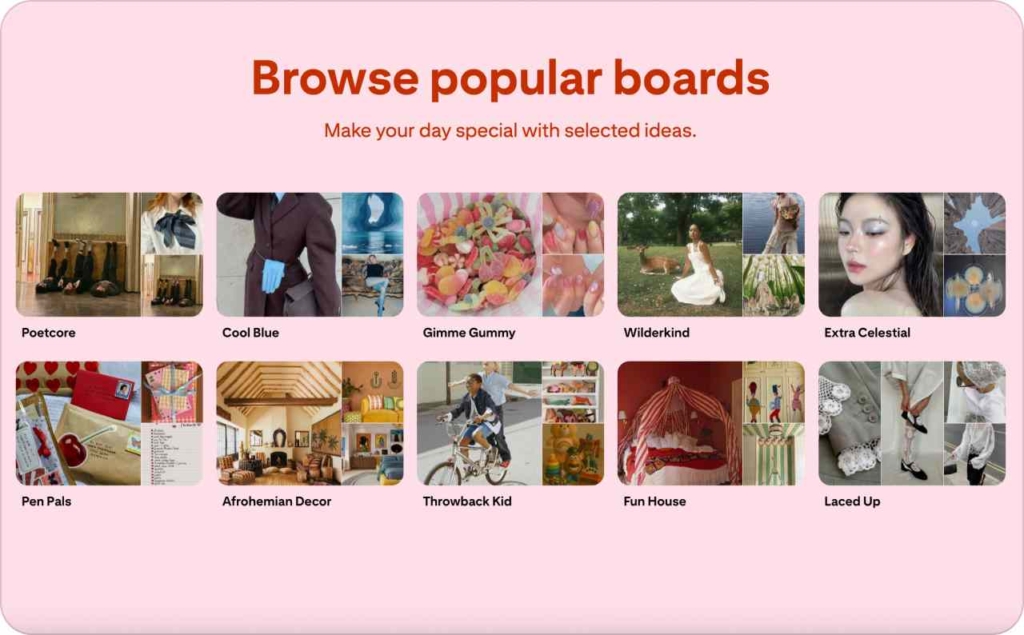
Photo source: Pinterest
Budgeting framework
If you’ve ever Googled “social media advertising cost per month,” you already know the frustration: every answer says “it depends.” Here’s what it actually depends on, and how to budget without a spreadsheet headache.
Objective-based daily floors
Algorithms don’t learn on scraps. To keep your costs stable, you need enough conversions to teach the system.
- Aim for at least 50 conversions per month for your main event
- That gives ad platforms enough data to understand who buys and stops them from spending wildly to “find” you a customer
- As a rule of thumb: Target CPA × ~2 conversions/day = daily budget floor. Anything less, and you’ll pay the “data tax” of inefficient learning
Prospecting vs. remarketing split
Think of it like diet and exercise — you need both.
- Start with a 70/30 split: 70% on prospecting (new people), 30% on remarketing (warm traffic)
- As real numbers come in, rebalance to your CAC or ROAS goals. If remarketing prints cheaper sales, feed it. If it plateaus, shift back to prospecting
- This keeps growth and efficiency in sync instead of fighting each other
Quick math
You don’t need to memorize formulas, you just need to know what they mean.
- Expected CPA = CPC ÷ CVR → How expensive your conversions will likely be
- Break-even CPC = Target CPA × CVR → The click cost you can afford before losing margin
- Required Daily Budget = Target CPA × target conversions/day → Your daily baseline to sustain signal quality
Minimum viable budgets
| Objective | Minimum monthly budget | Why it matters |
| Awareness | ~$500–$1,000 | Enough to hit meaningful reach without starving impressions. |
| Lead generation | ~$1,000–$1,500 | ~50 qualified leads/month keeps learning active. |
| Conversions (e-com/local) | ~$2,000–$3,000 | Supports stable optimization and retargeting pools. |
These aren’t “rules.” They’re signal thresholds — the point where algorithms stop guessing and start performing. Read about effective lead generation examples and strategies to help grow your audience and boost conversions in this comprehensive guide.
Why this math matters now
According to McKinsey, U.S. commerce and retail media spend will surpass $100 billion by 2027, growing over 21% annually. Translation: competition’s heating up, and budgets that used to last a month will stretch less each year.
How to lower cost and raise ROAS
Once you’ve set the right budgets, the next step is learning how to keep them efficient. Optimization is about keeping signals clean so the algorithm can buy cheaper results for you.
Creative: Refresh early, test fast
Creative ad fatigue is usually the first reason costs rise.
- Keep 3–6 live variations per ad set
- Refresh when CTR or conversion rate drops 20–30% — that’s the point where platforms quietly start charging more per click
- Test the first three seconds of your ad more than the ending; that window decides whether your ad wins the auction
Example: A Zeely beauty-brand user replaced a slow pan with text-first motion and saw cost per purchase fall from $24 to $17 in one week — same offer, sharper signal.
Targeting: Trim waste before you scale
Every irrelevant impression adds up.
- Exclude recent buyers or heavy engagers so you’re not buying the same audience twice
- Check audience overlap between lookalikes and remarketing sets — even a 10% overlap can lift CPM
- Once conversion data is stable, turn on audience expansion to reach cheaper pockets of intent
Example: A small gym cut overlap between remarketing and lookalikes, freeing 15% of spend and lowering lead cost from $12 to $8.
Bidding: Match method to maturity
Your bid strategy should evolve with data density.
- Run target CPA (tCPA) while your event count is low
- Shift to target ROAS (tROAS) once you’ve logged 50 conversions or more
- Use bid caps only during seasonal surges (think November retail weeks) to protect efficiency when competition spikes
Example: An online décor shop switched to tROAS after 60 sales and doubled its return (1.9× → 3.8×) without raising spend.
Measurement: Clean data, cheaper ads
Algorithms spend better when they can trust your data.
- Implement Consent Mode, Enhanced Conversions, and CAPI
- Use modeled conversions to fill privacy gaps
- Run incrementality tests when monthly spend hits ≈ 10× your target CPA to confirm real lift
Example: A home-services advertiser fixed CAPI delays and saw a 17% CPA drop within a week — no creative changes, just cleaner signals.
Brand safety and IVT
Cheap reach means nothing if the traffic isn’t real. Activate brand-safety filters on video and open-web extensions, and monitor invalid traffic (IVT) routinely.
Example: A fashion retailer discovered 12% bot traffic on “bargain” placements; excluding it raised real ROAS from 2.3× to 3.0×.
Why Zeely AI might be handy for your social media ad campaigns
Business Insider reports that by 2025 creator platforms had out-earned traditional media — shifting agency value from media buying to creative testing and data fluency.
You’ve got the math. Zeely turns it into motion. Create ad creatives fast, launch it, and read the numbers in one place without wrestling three different tools.
What you can do in minutes
- Launch Meta campaigns from the app or web with a short guided flow. Pick the product, choose the objective, and go live
- Make AI video ads with on‑screen avatars and text‑to‑speech. Useful when you need fresh variants fast for fatigue control
- Post your videos to Instagram, Facebook, and TikTok right from Zeely, or run Viral campaigns that auto‑post to Instagram for free reach
- See performance clearly with a plain‑language metrics view, so CPC, CTR, and CPA tell a story you can act on
- Send traffic to the right page using a custom link override if a campaign launched to the wrong URL
- Import products fast from your site or Shopify to keep ads and landing pages aligned
This setup supports the playbook you just read: quick creative rotation, stable learning volume, fewer wasted clicks, and cleaner attribution. If you want the short path from plan to live results, this is it.