Is Zeely reliable in 2026? AI tools for business growth
Still wondering if Zeely is actually reliable or if you are about to donate your ad budget to the void. This review is published on Zeely’s own site, and I use external ratings, stats and even negative feedback from real users to give you a calm, evidence based reliability verdict for 2026.
Curious what Zeely is? Zeely is a reliable, real, working AI ads platform with mixed but improving reliability. It delivers strong results for some small brands and has recurring complaints around billing, cancellations, and support tone. The mobile app scores 4.6 out of 5 on JustUseApp with a 66.7 out of 100 safety score.
If you treat Zeely as a fast ad generator and campaign engine that you test hard in the first weeks, not a magic ATM, it can be a reliable lever for growth.
You will see how Zeely scores on four reliability pillars (product performance, support, and safety), where the real red flags sit, and how it compares with other AI marketing platforms for brand growth. My goal is simple: help you decide if Zeely is reliable for your brand, not in theory.

What “reliable” means for AI marketing tools in 2026
For this guide, I use three reliability pillars that apply to Zeely and every other AI ad tool you are considering:
- Product performance reliability
- Support reliability
- Data and platform safety
What happy vs unhappy customers actually say
If you read through reviews on Trustpilot, BBB, and app stores, you see three main “love it” themes:
- Fast creative production
Users talk about getting a usable high-converting video ad in under 10 minutes, often with simple scripts and automatically generated visuals. - New sales from social ads
Some reviews mention first sales from Meta or TikTok after struggling with DIY campaigns. - No need for a full team
Solo founders praise not having to hire editors or agencies to get decent ad creative.
How to read algorithmic trust scores
Algorithmic trust scores can be scary if you are not used to them. A mid range 50 out of 100 number looks like a failing grade, but you have to unpack what they measure.
Most of these tools look at:
- Technical hygiene: SSL, DNS, email records, malware, and blacklist status
- Domain history: age of the domain, previous uses, and ownership
- Public sentiment: a rough scrape of reviews, complaints, and mentions
If a site passes technical checks and has a long history, but a lot of noisy online arguments, the trust rank will often land in the 40 to 60 band. That does not mean the product is fake. It means there is controversy surrounding it.
Use those scores as one layer in your risk model, not as the only signal. A low technical score is a hard red flag. A mid trust score with clean technical checks is a yellow flag that should push you to test carefully and control your budget while you learn. Read the complete guide about how Zeely works.

Reliability pillar 1 – Creative and campaign performance
Is Zeely reliable for ad performance depends on how you set expectations. AI ad tools are pattern machines, not miracle workers. They can improve your creative throughput and help you hit typical performance ranges for your niche, but they will not fix a weak offer.
AI-driven marketing can genuinely lift performance when used well. From user reports, Zeely tends to perform best when:
- You feed it clear, specific products with obvious benefits
- You let it generate several variations of UGC style videos and high-performing ads, then keep the ones that feel most natural
- You combine its creatives with disciplined budgets and sensible audience settings in Meta
Performance reliability means you can get consistent, usable creatives quickly, and results converge toward reasonable benchmarks when you iterate. If your niche supports a 1 to 3% CTR and your Zeely campaigns sit near that band with CPAs that let you make profit, the tool is doing its job.
Speed and quality: when Zeely’s AI hits or misses
Review patterns and Zeely’s own positioning paint a familiar picture.
On the “hit” side:
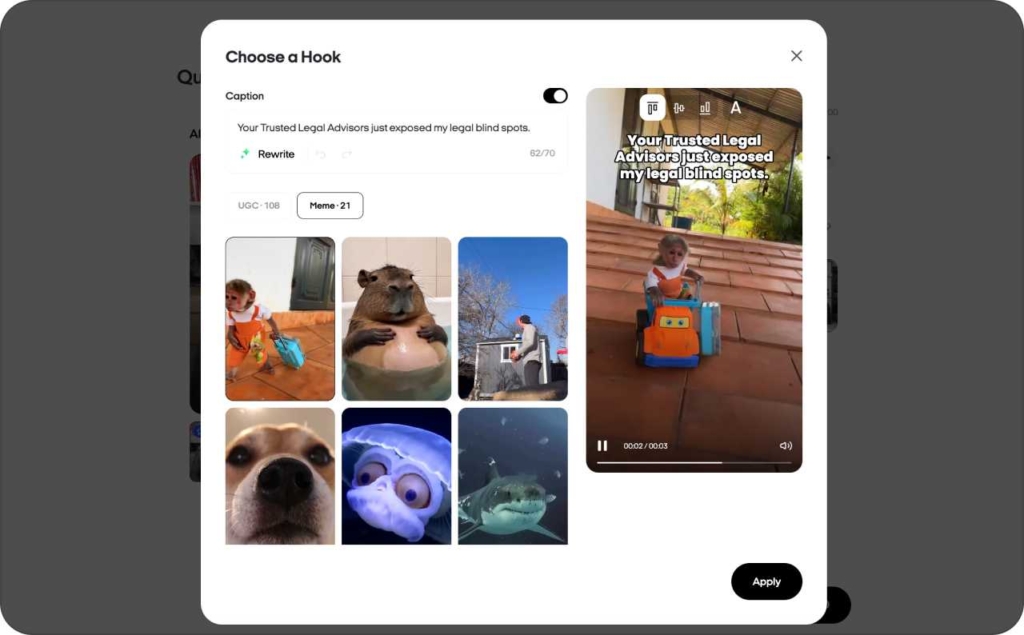
- Video generation is fast, often under 5 minutes per creative from a simple product prompt
- UGC style formats with simple hooks and benefit focused lines feel natural enough for social feeds
- Static ads and short clips give small teams enough variety to test without hiring talent
On the “miss” side:
- Some users complain about lip sync issues when using AI avatars or voiceovers
- Copy can read generic or repetitive when you accept the first suggestion without editing
- Certain niches with technical jargon or strict compliance needs require more manual rewriting
Reliability here is about knowing where the AI tends to wobble and compensating early. For Zeely, that means being ready to tweak scripts, re-run generation if you see awkward phrasing, and lean more on formats that work well in your vertical. You may also like finding out more about how to set up your first Zeely project.
Reliability pillar 2 – Support, onboarding and learning curve
Support reliability is really about how quickly you can get a clear answer. With Zeely, that starts in the in-app chat. It’s the fastest way to reach a real person when a campaign gets stuck, a product won’t update, or something simply feels off. Email comes next — it’s where the team handles anything that needs screenshots, billing checks, or account reviews.
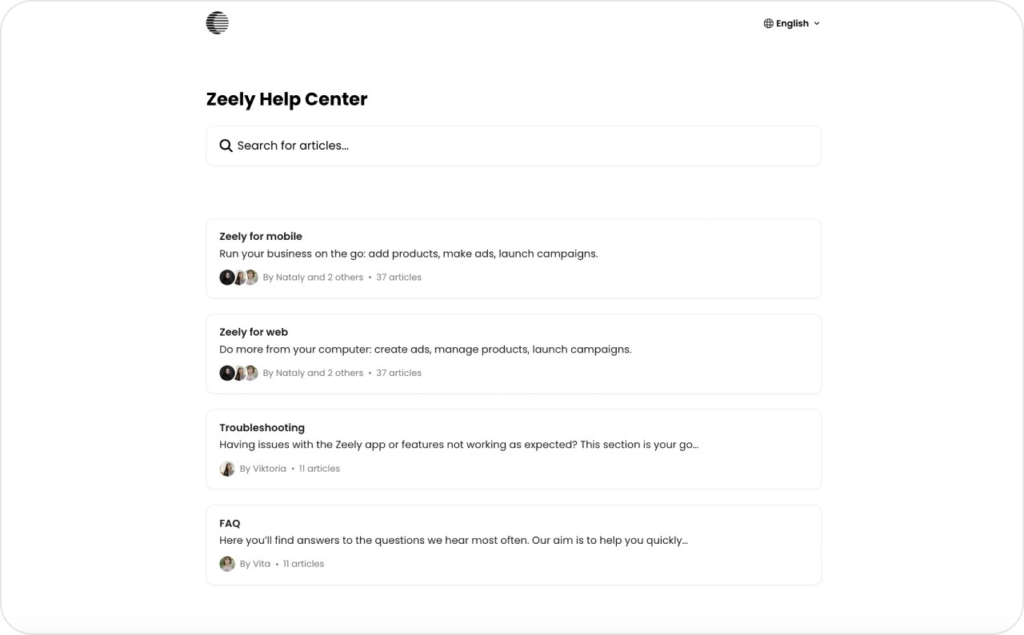
The Help Center works differently. It isn’t a chat and it isn’t instant. It’s a library — hundreds of short, practical articles you can search when you want to fix something yourself. Most issues fall into predictable buckets: login trouble, product upload errors, slow app behavior, campaigns in review, missing ad stats. Those guides walk you through the exact steps to get unstuck without waiting for anyone.
Some reviews say support feels distant during billing questions. Others describe fast resolutions once they reached out with enough detail. That gap usually comes down to expectations and context.
Users who experience Zeely as “reliable” follow a simple rhythm: check the Help Center first, message chat when something needs a person, and send screenshots so the team can fix things quickly. It keeps support predictable and steady — exactly what you want when ads are running.
At the same time, customer expectations are rising. In Adobe’s 2025 AI and digital trends report, 78% of customers say they want consistent brand experiences. Among organizations that use AI personalization, 87% report higher engagement. That means if your AI-powered support feels disjointed or unhelpful, customers notice.
What is in the Help Center and why you should actually read it
Zeely’s help center is your best ally if you want to reduce “panic moments” and make sure Zeely is reliable. Typical sections cover:
- Getting started and onboarding walkthroughs
- Common billing questions, including where to see your plan and how renewals work
- Troubleshooting for ad account connections and campaign errors
- Guides for fixing video generation problems or creative issues
It is not glamorous to say “read the docs first”, but in 2025 it is often the fastest way to keep your campaigns moving. If a help article tells you that Meta reviews can delay launch by a certain number of hours and you know that, you will not panic when day one results look strange.
Reliability pillar 3 – Data security, ad account safety and uptime
Is Zeely reliable from a safety and uptime angle is a different question than “Do campaigns always work”. Here we care about whether using Zeely exposes you to unusual technical risk.
At a basic level, zeely.ai runs on HTTPS with a valid SSL certificate. Third party analysis on sites like ScamDetector highlights low risk scores for malware, phishing, and spam, even though the overall trust rank is mid range due to controversy. There are no major 2026 stories about data leaks or ad account hacks linked specifically to Zeely in mainstream reporting. You may also like to find out more about why Zeely is NOT a scam.
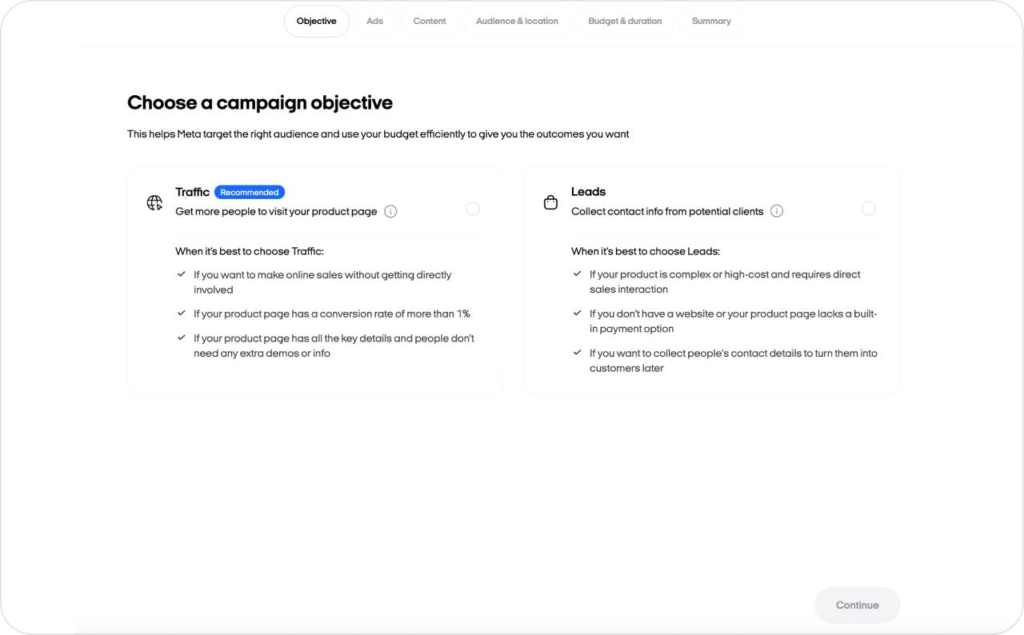
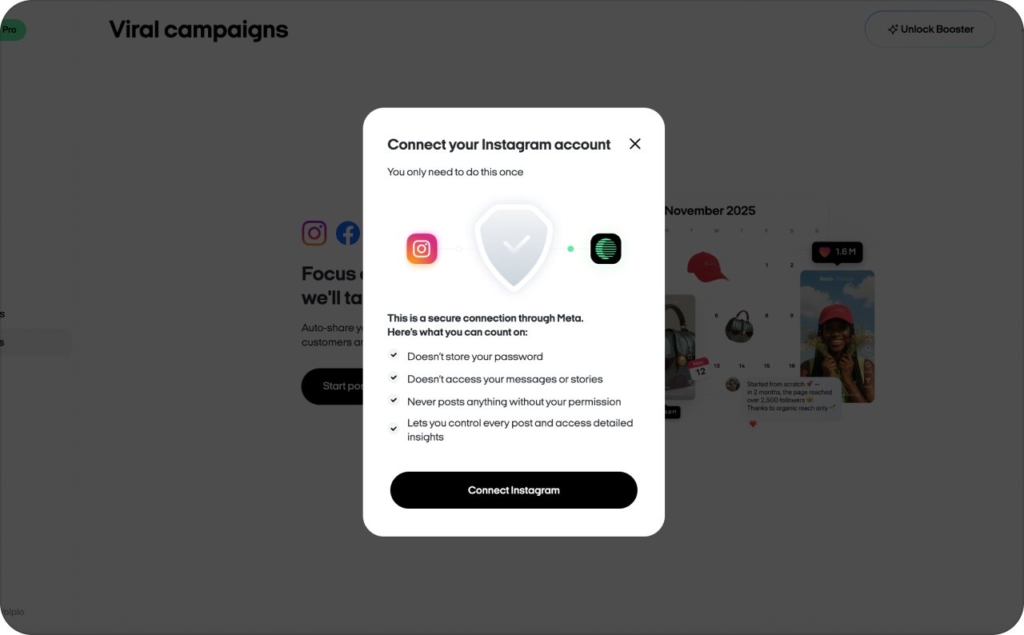
When you connect Zeely to Meta, the tool uses official APIs to create and manage campaigns. That means:
- Zeely can propose creatives, set up ads, and influence bidding and targeting parameters
- The core security of your ad account still sits with Meta
- Bad setups, sloppy budgets, or aggressive optimization rules can still burn money, even without any security breach
Based on public data, Zeely’s main issues cluster around billing UX and expectations, not around data theft or malware. That does not mean zero risk, but it pushes most of your safety work into how you configure campaigns and budgets.
Domain and SSL checks: Zeely’s technical hygiene
Technical hygiene checks look at things like:
- Whether the site uses valid SSL and modern encryption
- Whether the domain appears on common malware or phishing blacklists
- Whether there are obvious issues with email configuration that could allow spoofing
This does not guarantee perfect uptime or zero bugs. It does mean you are not walking into a clearly malicious environment. Most outages you might see will come from the underlying ad platforms or from normal SaaS hiccups rather than from hostile code.
Where Zeely fits among the best AI marketing platforms for brand growth
When you look if Zeely reliable in the larger landscape, it sits in a very specific lane. It’s an AI creative engine built for small brands that want to make and launch social ads fast. That’s different from tools built for AI automation, reporting, or full-stack CRM. I want you to have that context so you can judge reliability with the right expectations.
Most AI marketing tools fall into three groups.
AI creative engines
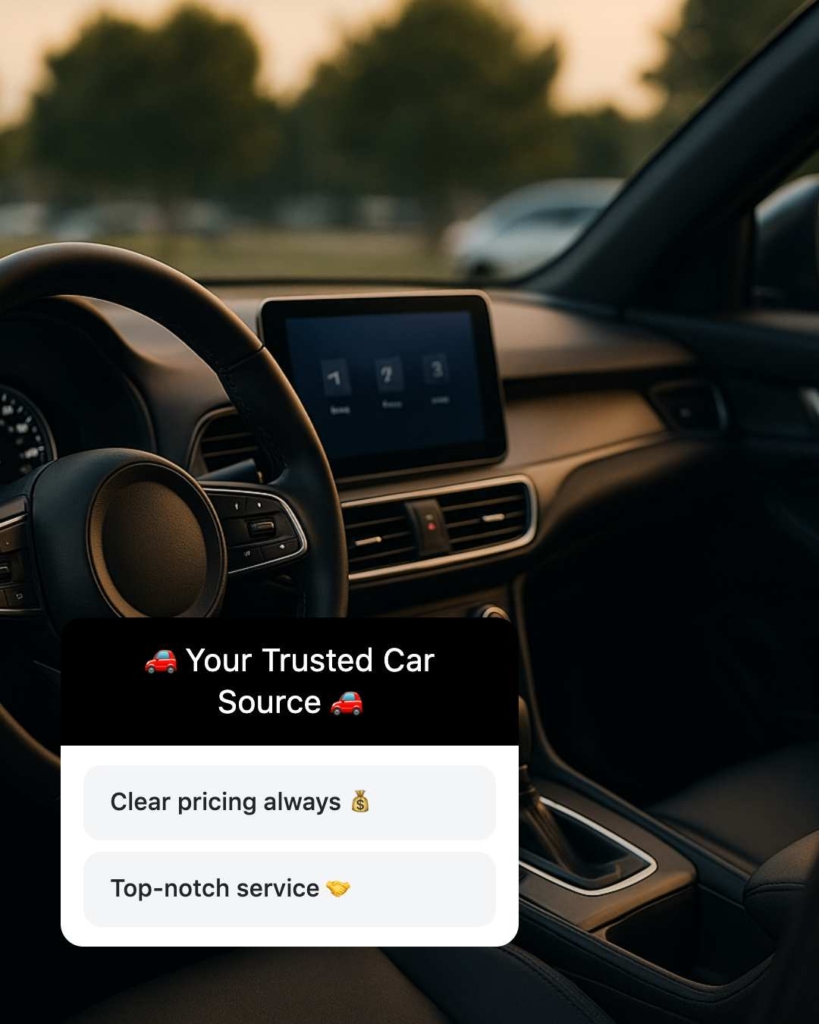
These tools help you produce ads quickly. Zeely lives here. AdCreative.ai and Predis.ai are in this group too. Their strength is speed and variety. They help small teams test ideas without hiring talent.


Optimization and automation layers
Madgicx sits in this category. These platforms take over bidding, budget distribution, and scaling. They work best for advertisers who already spend consistently on Meta or Google and want more efficiency, not more creativity.
Full marketing clouds
Jasper and HubSpot belong here. They offer email, CRM, workflows, and broader marketing tools. They’re powerful, but most small sellers don’t need that weight just to get profitable ads running.
Zeely is strongest when you want simple workflows and fast momentum on social platforms. You’re trading depth for speed — which is exactly what many small businesses need.
A quick comparison to help you choose
I kept this short on purpose. You don’t need a giant spreadsheet to see the differences.
| Platform | What it’s best at | Who it fits | Where it’s limited |
| Zeely | Fast UGC-style ads + simple campaign launch | Small brands, solo founders, beginners | Billing UX can feel rigid; limited advanced controls |
| AdCreative.ai | High-volume image/video ad generation | Teams needing lots of polished creatives | Not built to manage campaigns end-to-end |
| Madgicx | Optimization, scaling, ROAS improvement | Advertisers already spending steadily | Steeper learning curve; needs data to work well |
| Jasper | Creative + copy + marketing workflows | Brands wanting multi-channel content creation | Not a direct ads manager; more writing than execution |
| HubSpot Marketing Hub | CRM + automation + email + journeys | Growing teams with complex funnels | Overkill for small shops; higher cost |
| Predis.ai | Simple creative generation for social ads | Small businesses on tight budgets | Fewer campaign tools; lighter analytics |
If you need fast ads, low lift, and simple decision-making, Zeely is usually the best match.
If you need deep optimization and scaling, Madgicx makes more sense.
If you want high-volume creatives, AdCreative.ai is stronger.
If you want a whole marketing department in one tool, that’s where HubSpot and Jasper live.
This is the clearest way to compare reliability across the ecosystem. Every platform is “reliable” at the thing it was built to do. The problems start when you expect a creative engine to act like an enterprise automation system. Matching the tool to the job makes your decision much simpler.