Zeely vs competitors for small businesses
Trying to decide whether Zeely is enough, or whether you need a heavier ad stack for reporting, research, or campaign control? I compared instruments to show where Zeely fits, and where each competitor makes more sense.
Zeely vs competitors comes down to what you need first. Choose Zeely if you want one simple place to create static ads, UGC-style videos, ad copy, and launch Meta campaigns with guidance. Choose Minta for catalog-based social videos, Omneky for broader omnichannel AI ads, Smartly.io for enterprise creative teams, AdScale or Madgicx for ad management, Triple Whale for ecommerce reporting, Foreplay for swipe files, and Motion for creative analytics.

Zeely vs competitors: the real buying question
When you compare Zeely vs other AI tools, you’re probably not browsing for fun. You’re trying to decide where your ad budget, time, and creative energy should go next.
That makes this guide different from a giant “best tools” list. This is not about naming every AI ad platform on the market. It’s about helping you understand where Zeely fits, where other tools fit better, and which tool solves your next real problem.
For most small businesses, the real question is simple:
Do you need help making and launching ads, or do you already have ads and need deeper reporting?
That difference matters. A creative tool, an ad manager, a swipe file, and an analytics platform all sound related. But they do very different jobs once you start paying for them.





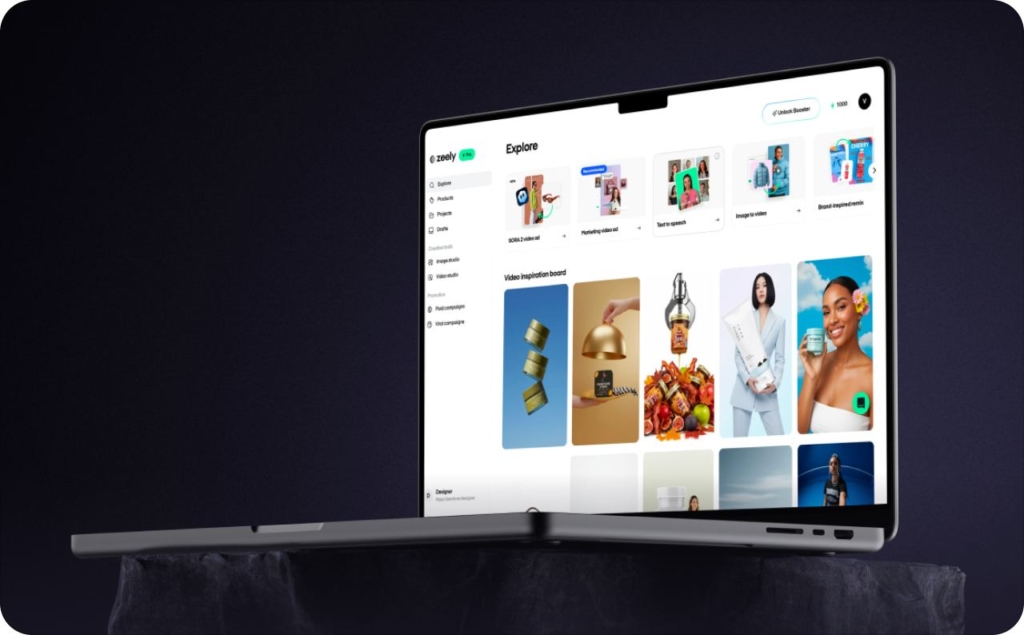
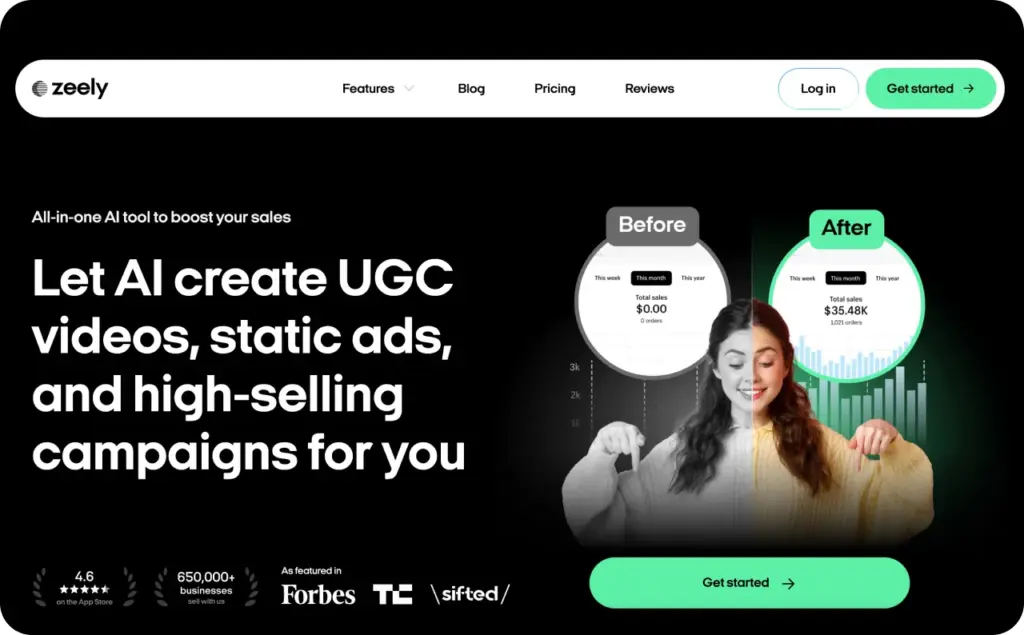
Zeely is built for small businesses that need a faster path from product to ad. You can create static ads, UGC-style videos, avatar videos, ad copy, and campaign-ready assets from one workflow. If you want the full product workflow, start with Zeely’s AI ad generator and the guide on how Zeely works.
Why does this matter so much in 2026? Hootsuite’s 2025 social media statistics show that TikTok is turning almost half its users into buyers, and Instagram Reels see staggering watch volume every minute.
The tools in this guide fall into five clear groups:
| Buyer need | Tools to compare | What they help with |
| Make ad creatives and launch | Zeely, Omneky | Product-to-ad workflow |
| Turn product catalogs into videos | Minta | Social videos and posting |
| Manage paid campaigns | AdScale, Madgicx | Meta, Google, and optimization |
| Scale enterprise creative work | Smartly.io | Templates, approvals, and big teams |
| Study and measure ads | Triple Whale, Foreplay, Motion | Reporting, research, and creative analytics |
That is the safest way to compare Zeely alternatives without buying the wrong thing. Read aslo about best AI generators for small business.
A quick category map
Here’s my simple map before we get into the details.
Zeely is best for small businesses that need ad creatives and campaign help in one place. It fits ecommerce sellers, service businesses, solo founders, dropshippers, and lean teams that do not want to hire a designer, editor, and media buyer before testing their first serious ads.
Minta is best when your store has many products and you need automatic social videos from your catalog. It’s helpful for keeping TikTok, Instagram, Facebook, and Pinterest active.
Omneky is best when you want broader AI ad creation across several ad channels. It fits teams that need Meta, Google, TikTok, LinkedIn, and Reddit in one larger workflow.
Smartly.io is best for larger teams that need creative production at scale. It makes more sense when you already have approvals, multiple channels, and people managing the system.
AdScale is best for ecommerce teams that care most about Google and Meta campaign management. It is closer to an ad operations tool than a simple ad creator.
Madgicx is best for Meta-focused advertisers who want optimization, account checks, and media buying help.
Triple Whale is best for ecommerce reporting and attribution. It becomes useful when you already spend enough to need cleaner numbers across channels.
Foreplay is best for saving and organizing ad examples. It helps you study competitors and creative patterns before making your own ads.
Motion is best for creative analytics. It helps paid social teams see which ads, hooks, and formats are working after they already have enough spend.
If you’re still early, don’t start with the fanciest dashboard. Start with the tool that helps you get better ads live.
Why Zeely fits small businesses first
Zeely fits small businesses because it starts where most owners actually start: with a product, a link, a goal, and a lot of uncertainty.
You may know your product is good. But that doesn’t automatically give you a strong first frame, a clear offer, a product video, a static ad, or a Meta campaign you feel safe launching.
That is the gap Zeely is built to close.
With Zeely, you can create ad creatives without opening five different tools. You can make static ads, UGC-style videos, AI avatar videos, ad copy, headlines, and calls to action. Then you can move closer to campaign launch without learning every small setting inside Ads Manager.
That matters because a small business usually doesn’t need a complex stack first. It needs:
- enough creative variations to test
- clear product messaging
- ads that look specific to the offer
- a simple launch path
- room to edit before spending money
If static ads are your main format, use Zeely’s AI static ad creator. If you need video ads, use the AI video ad creator.
Here is the honest part. Zeely is not trying to replace every tool in this list. It is not a Triple Whale-style reporting suite. It is not a Foreplay-style swipe file. It is not an enterprise production system like Smartly.io.
Zeely is strongest when your next blocker is clear: “I need better ads live faster.”
Zeely vs Minta: ads or social videos?
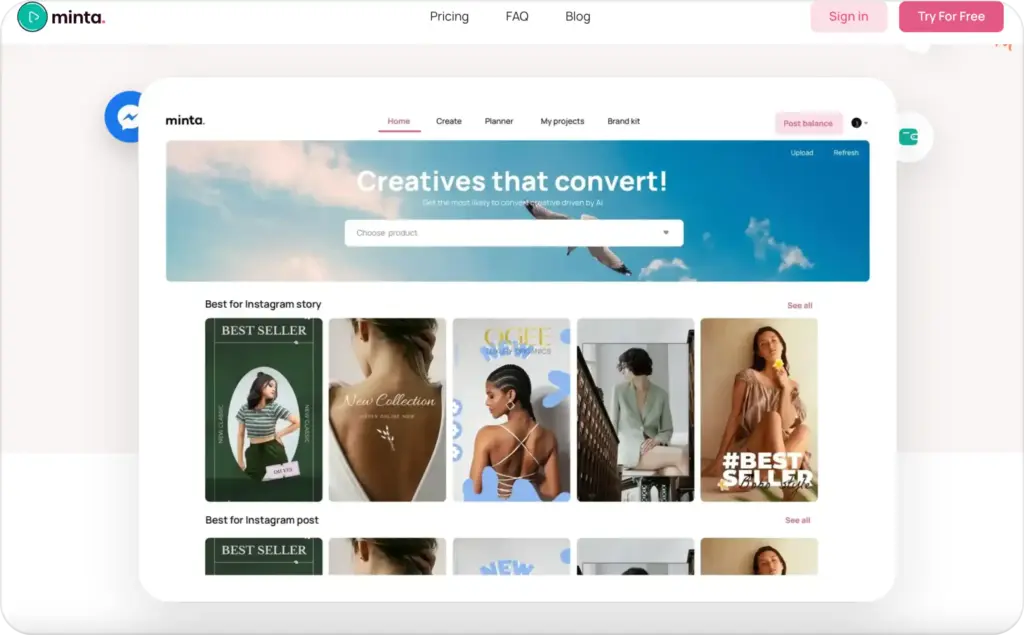
Minta is useful if your store needs more social content from a product catalog. It can generate product videos and help with posting across channels like Facebook, Instagram, TikTok, and Pinterest through its video marketing workflow.
That makes Minta a good fit when the main job is content rhythm. You connect products, get videos, and keep social feeds moving.
The question is whether that is the job you need most.
If you need simple product videos for organic social, Minta may fit. If you need ad creative that moves toward paid campaigns, Zeely is usually the better small-business fit.
Zeely gives you a wider paid ad workflow. You can make static creatives, UGC-style videos, avatar videos, and ad copy, then move toward launch. That is more useful when the goal is not just “post more,” but “test ads and get sales.”
Best fit:
| Choose Zeely if | Choose Minta if |
| You need paid ad creatives | You need catalog-based social videos |
| You want static and video ads | You mostly want product videos |
| You need campaign launch support | You need posting and scheduling |
| You want a small-business ad workflow | You want social content automation |
My take: Minta helps you stay visible. Zeely helps you build ads you can test.
Zeely vs Omneky: simple workflow or bigger ad system?
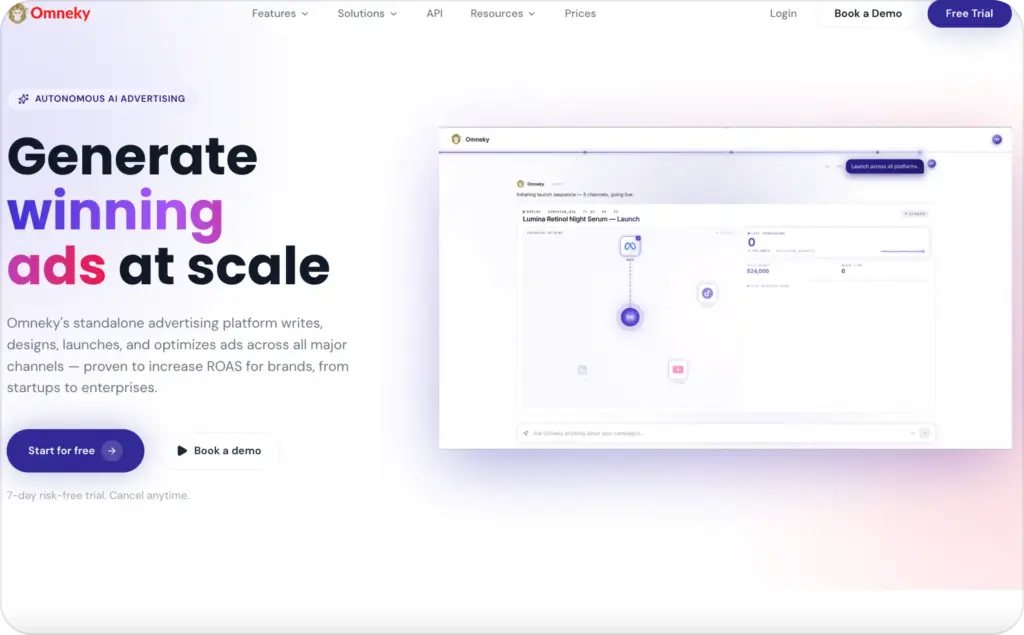
Omneky is one of the more serious Zeely alternatives because it also focuses on AI ad creation. Its platform covers image ads, video ads, UGC-style ads, performance data, and campaign launch across channels like Meta, Google, TikTok, LinkedIn, and Reddit.
That makes Omneky more of a broad AI ad platform comparison choice. It can fit teams that already think in multiple channels and want one system for creative and performance feedback.
For many small businesses, though, broader can also mean heavier. More channels often means more setup, more settings, and more decisions before you see what actually works.
Zeely is easier to understand if your first paid channel is Meta or if you want a simpler product-to-ad path. You bring the product. Zeely helps turn it into campaign-ready creative. You review, edit, and move forward without building a large ad stack too early.
Best fit:
| Choose Zeely if | Choose Omneky if |
| You want a simpler ad creation flow | You need several ad channels |
| You’re testing first campaigns | You already run a multi-channel setup |
| You need product-led creative fast | You need broader performance workflows |
| You prefer less setup | You have a team to manage the system |
My take: Omneky can be strong for growing teams. Zeely is cleaner for small businesses that need to get from product to ad without a long setup curve.
Zeely vs Smartly.io: SMB tool or enterprise suite?
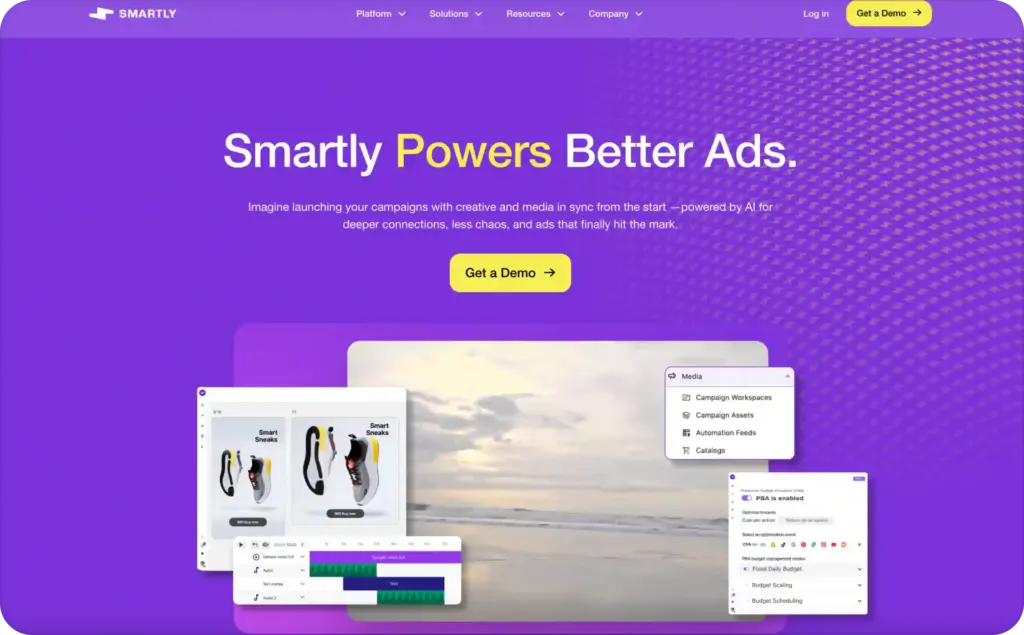
Smartly.io is built for bigger creative and media teams. It helps teams make, adapt, approve, launch, and analyze ads across channels. That kind of system can be powerful when you already have people, processes, and high creative volume.
For a small business, that can be too much too soon.
Enterprise tools often solve enterprise problems. They help with approvals, localization, large product feeds, multi-market work, and creative governance. Those things matter when your team is already running many campaigns across many markets.
But if you’re still trying to make your first 10 good ads, you probably don’t need that much structure. You need better creative inputs, fast editing, and a safer launch path.
That is where Zeely makes more sense. It keeps the work closer to the owner’s real question: “How do I turn this product into ads people understand?”
Best fit:
| Choose Zeely if | Choose Smartly.io if |
| You’re a small team | You have enterprise workflows |
| You need fast creative output | You need approvals and templates |
| You want simpler launch support | You manage several markets |
| You want fewer moving parts | You have a creative operations team |
My take: Smartly.io is not a bad tool. It is just built for a different stage.
Zeely vs AdScale and Madgicx: creative first or media buying first?
AdScale and Madgicx are closer to ad management tools. They help with campaign setup, optimization, budget checks, and performance decisions.
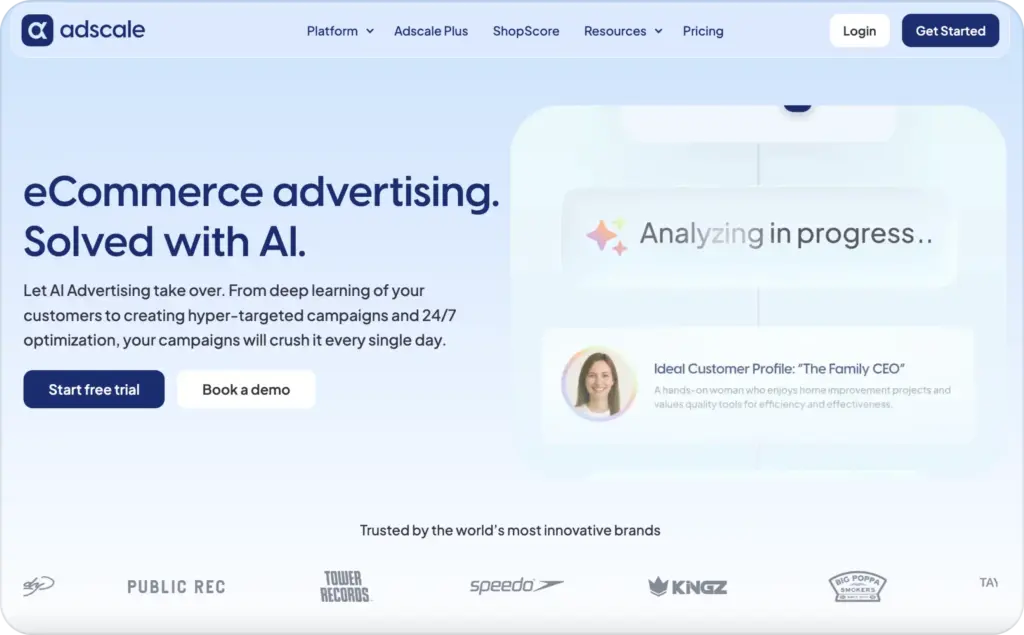
AdScale is built around ecommerce advertising on Google and Meta. It makes sense when your store already needs help managing paid campaigns across those channels.
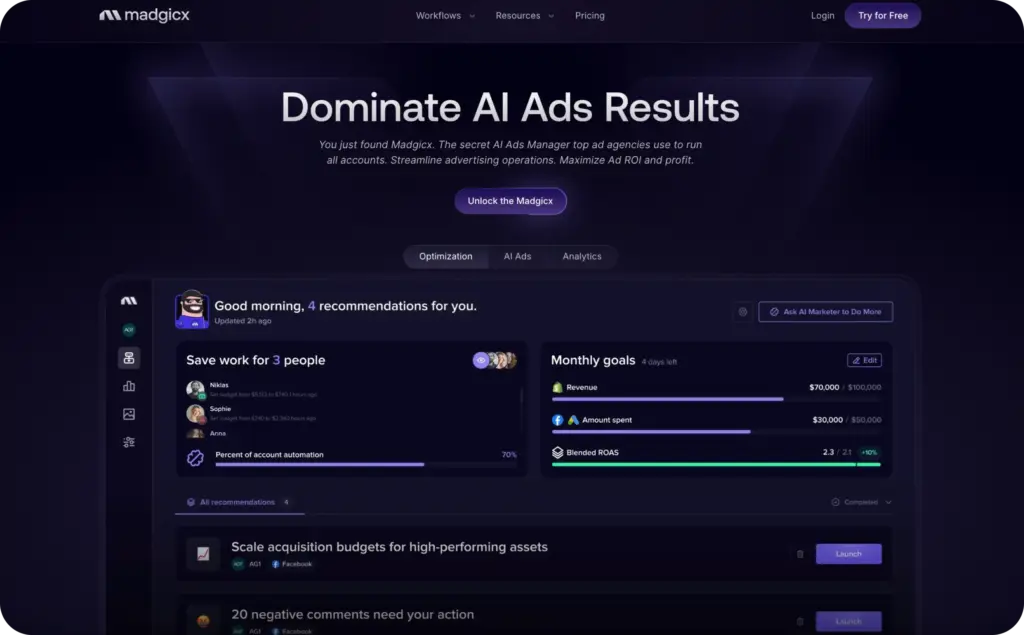
Madgicx is more Meta-focused. It is useful when you need account audits, automation, targeting help, creative checks, and media buying support inside Facebook and Instagram ads.
Both tools can help when campaign management is the main problem. But that is not always where small businesses should start.
A weak ad does not become strong because the dashboard is smarter. If your creative is generic, unclear, or disconnected from the product, optimization can only help so much.
Zeely starts one step earlier. It helps you create the ad assets first. That includes static ads, video ads, UGC-style creatives, and copy variations you can actually test.
Best fit:
| Choose Zeely if | Choose AdScale or Madgicx if |
| You need better creatives first | You already have enough creatives |
| You want ad creation and launch help | You want campaign optimization |
| You’re still learning paid ads | You already manage ad accounts |
| You need message and format options | You need deeper media buying support |
My take: If your campaigns are live but messy, compare AdScale and Madgicx. If your ads are not strong enough yet, start with Zeely.
Zeely vs Triple Whale, Foreplay, and Motion
Triple Whale, Foreplay, and Motion are not direct Zeely replacements. They sit around the ad workflow, not at the same starting point.
Triple Whale helps ecommerce brands understand performance across their business. It is useful when you need better reporting, attribution, forecasting, and data tied to sales.
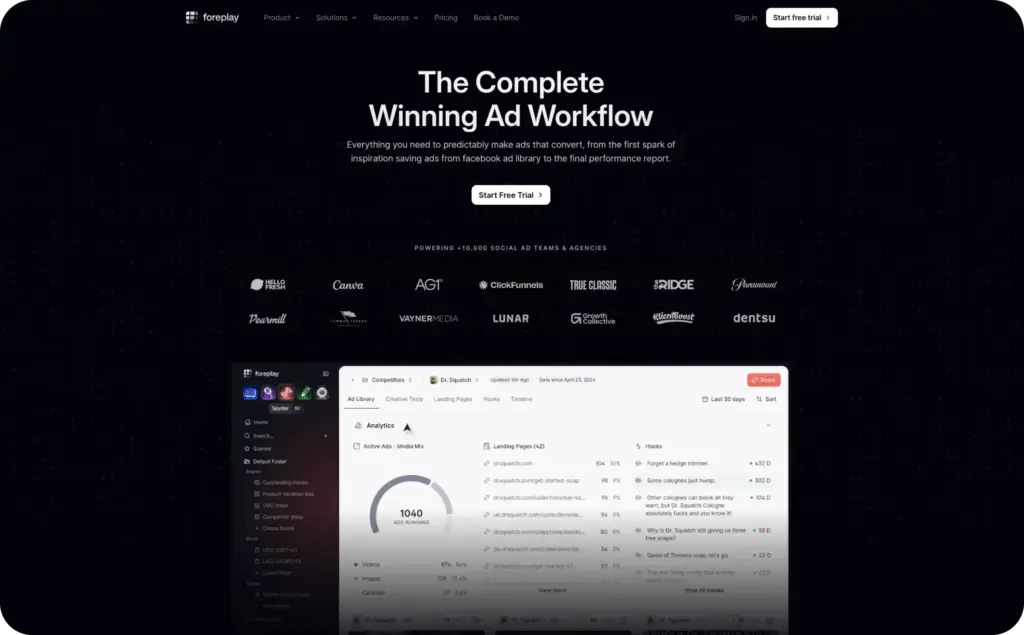
Foreplay helps you collect and organize ad examples. It is useful when you need a swipe file, competitor research, and a cleaner way to turn references into briefs.
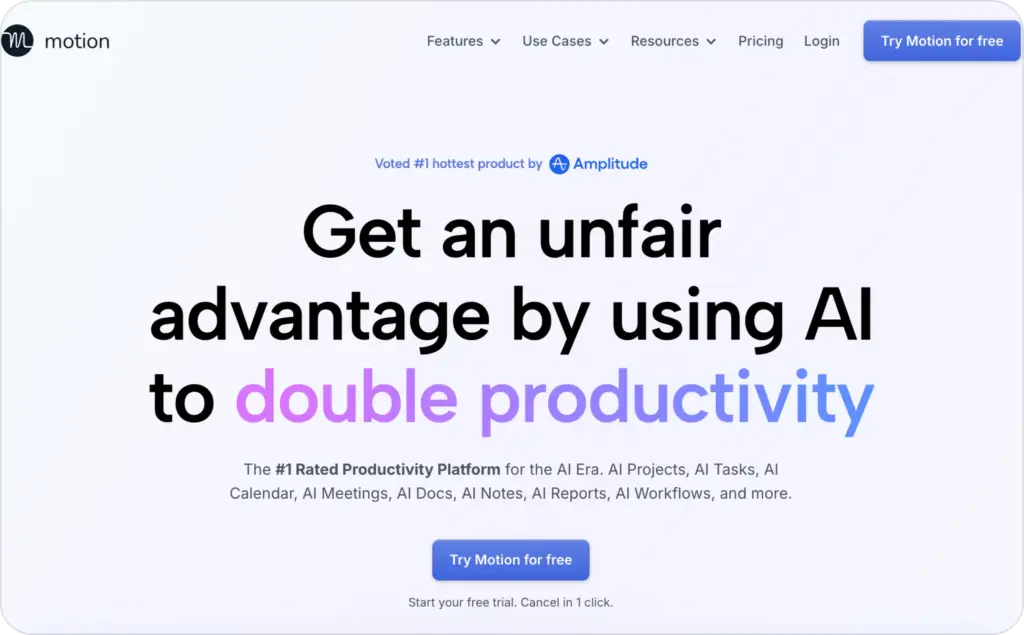
Motion helps teams understand creative performance. It is useful when you have enough ads and spend to see which hooks, visuals, formats, and messages are working.
These tools are helpful, but they usually make more sense after you already have creative volume.
If you’re a small business owner with three ads and a small budget, Motion may tell you too little because you don’t have enough data yet. Triple Whale may feel early if your reporting problem is smaller than your creative problem. Foreplay may inspire you, but it won’t automatically turn your product into live ads.
Zeely helps at the point where most small teams feel stuck first: creating enough good ads to test.
Best fit:
| Tool | Best use |
| Zeely | Create and launch small-business ads |
| Triple Whale | Measure ecommerce performance |
| Foreplay | Save and study ad examples |
| Motion | Analyze creative performance |
My take: Use Zeely to build the creative base. Add analytics and research tools when your testing volume grows.
The hidden problems small businesses should check
Most AI ad platform pages make every tool sound easy. The real decision is messier.
Here are the issues I’d check before buying any tool.
First, check what the tool means by “AI ads.” Some tools create finished ad assets. Some only help with copy. Some make videos but do not help you launch. Some analyze ads but do not create them.
Second, check whether you can edit the result. AI output should never go straight from generation to spend. You need to check the product, offer, claims, logo, text, and final visual.
Third, check the pricing beyond the monthly plan. Look for credits, export limits, advanced video limits, extra seats, ad spend, service fees, add-ons, and trial rules.
Fourth, check whether the tool fits your current budget. A platform built for teams spending $50,000 per month will not always help a store testing $20 per day.
Fifth, check whether the ad still feels like your product. AI can make polished ads that say nothing specific. That is one of the biggest small-business risks.
The fresh angle for 2026 is not “AI can make ads.” Everyone knows that now. The better question is whether AI can make ads that keep your product accurate, your offer clear, and your launch simple enough to repeat.
That is why I like tools that ask for structured product inputs. Small business owners often know what they want to say, but they don’t always know how to prompt a design tool. A guided workflow can protect them from vague, generic outputs.
Decision checklist: choose the right AI ad platform
Before you choose between Zeely vs competitors, answer these questions.
1. What do I need first?
If you need creatives, start with Zeely. If you need reporting, look at Triple Whale or Motion. If you need swipe files, look at Foreplay. If you need campaign management, look at AdScale or Madgicx.
2. Do I need static and video ads?
Most small businesses should test both. Static ads can show the product fast. Video ads can explain the offer, show use cases, and build trust.
3. Can I review and edit before launch?
This is not optional. AI can help you move faster, but the final ad still needs human review.
4. Does the price match my stage?
A cheap tool can become expensive if you need extra exports, advanced videos, or add-ons. A premium tool can also be wasteful if you are too early to use its best features.
5. Will this tool help me publish, or only prepare?
A folder full of creatives is not the same as a live campaign. If launch confidence is the blocker, choose a workflow that helps you move past the export step.
6. Will I know what to test next?
The right tool should help you create enough angles to learn. One ad is not a test. Five small variations can teach you more than one polished video.
My simple rule: buy the tool that removes your next blocker, not the one with the longest feature list.
Zeely alternatives: short verdicts
Here is the cleanest way to think about each tool.
Zeely
Best for small businesses that need ad creatives and launch support in one flow. It fits owners who want static ads, UGC-style videos, avatar videos, ad copy, and Meta campaign help without building a full ad team.
Minta
Best for ecommerce sellers who need social videos from a product catalog. It is helpful for keeping product content moving, but it is not the same as a full paid ad workflow.
Omneky
Best for teams that want AI ad creation across several channels. It can be a strong fit when you already manage more than one ad platform.
Smartly.io
Best for enterprise creative production. It is built for larger teams, approval flows, templates, and multi-channel scale.
AdScale
Best for ecommerce campaign management across Google and Meta. It fits sellers who already know paid ads are the main growth lever.
Madgicx
Best for Meta advertisers who want optimization, audits, and account guidance. It fits teams that already spend enough to care about deeper media buying support.
Triple Whale
Best for ecommerce reporting and attribution. It helps when you need a clearer view of sales, spend, and performance across tools.
Foreplay
Best for ad research and swipe files. It helps you collect examples, study hooks, and organize creative references.
Motion
Best for creative analytics. It helps teams find winning patterns once they already have enough live ads and spend.
Final verdict: which AI ad platform should you choose?
Choose Zeely if your main goal is to create better ads and launch faster. That is the strongest fit for small businesses, ecommerce sellers, local services, and lean teams that need static ads, UGC-style videos, ad copy, and campaign support without hiring a full ad team.
Choose Minta if you mainly need catalog videos for social posting. Choose Omneky if you need a broader multi-channel AI ad platform. Choose Smartly.io if you run enterprise creative production. Choose AdScale or Madgicx if campaign management is the main problem. Choose Triple Whale, Foreplay, or Motion if you already have enough ads and need reporting, research, or creative analytics.
The best tool is not the one with the most features. It is the one that helps you move from product to live ad with less guessing.

Emma blends product marketing and content to turn complex tools into simple, sales-driven playbooks for AI ad creatives and Facebook/Instagram campaigns. You’ll get checklists, bite-size guides, and real results, pulled from thousands of Zeely entrepreneurs, so you can run AI-powered ads confidently, even as a beginner.
Written by: Emma, AI Growth Adviser, Zeely
Reviewed on: July 17, 2026