TikTok ad hooks: 35 openers that feel native
Want TikTok video ad hooks that sound like a creator made them, not a brand reading from a script? I shaped this guide with TikTok’s creative rules, Zeely AI workflows, and practical tiktok ad hooks I’d use to make product ads feel native.
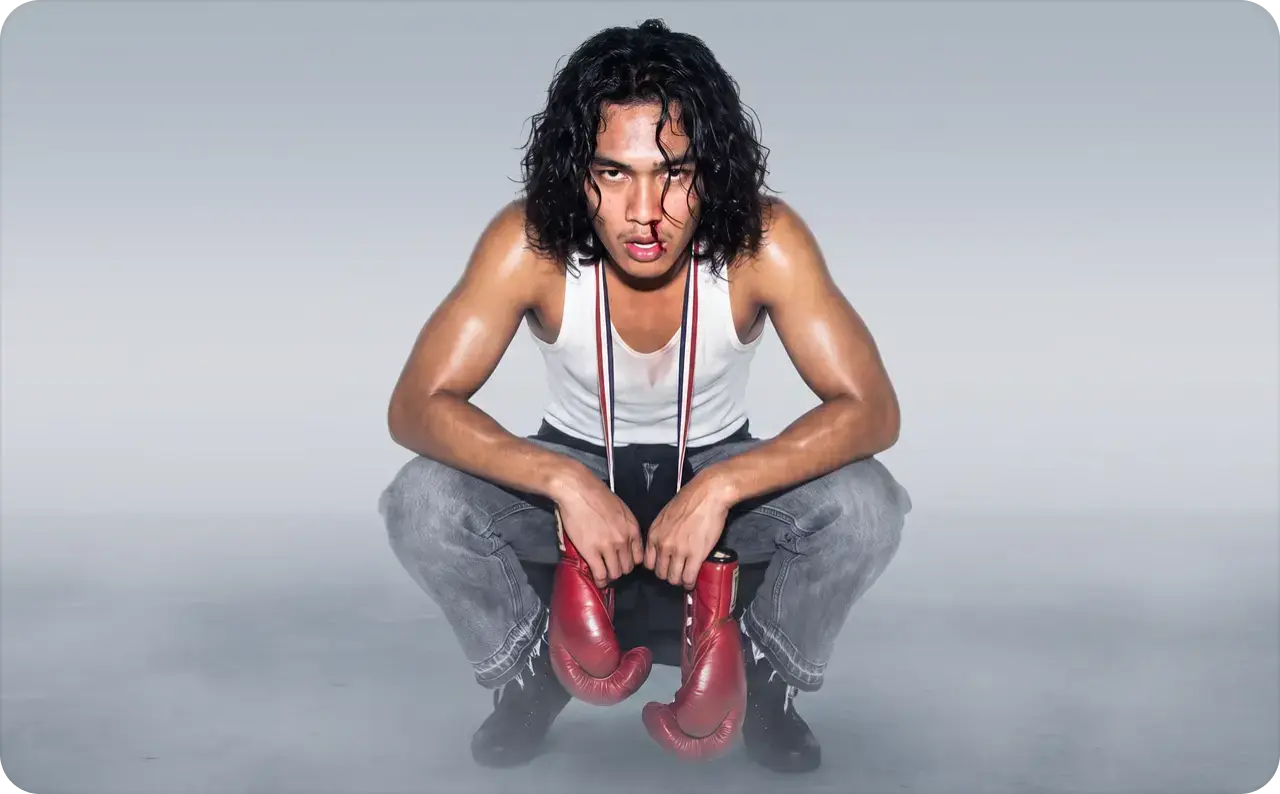
There’s a specific sound that brand-written TikTok ads have. A slogan up front, a logo animation, someone reading copy that was clearly approved by three people in a meeting. None of the hooks in this guide sound like that. Every hook started with TikTok’s creative rules, went through Zeely AI to test variations, and survived the cut because I’d actually put ad spend behind it.
Key takeaways
- 90% of ad recall comes from the first six seconds, per TikTok. If your hook doesn’t land, the rest of the ad is invisible
- Brand intros kill hooks. Open with the product in action, a recognizable problem, or a creator sharing a specific opinion
- Caption first, voiceover second. On-screen text: 5-10 words per second per TikTok’s guidelines. Cut to a new angle before the thumb twitches
- If a hook flops, the concept might still be good. Reshoot it as a problem angle, then a demo, then a recommendation
- The script matters more than the setup. A corporate line filmed in a studio will lose to a casual line filmed in a messy kitchen
- Zeely’s Video ad builder and Playground pull multiple hook variations from one product, so you can batch test without losing a full day
A good hook does three things: product on screen, a problem the viewer already knows about, and one reason not to scroll. Five words on screen can do the job. Or a creator picking something up and going “this is the one I actually use.” Test three or four at once. Putting your entire budget behind one opener is gambling.
The product is usually fine. What kills the ad is the opener sounding like a pitch on the first syllable.
TikTok ad hooks in 2026: What the first 3 seconds must do
Three seconds. That’s your window. You’re not introducing the brand. You’re not explaining the product. You’re trying to make one person think “hold on, what is that?”
TikTok’s creative best practices page is specific: proposition in 3 seconds, hook in 6. They recommend captions or overlays since many people watch without unmuting. For on-screen words, 5 to 10 per second. The viewer is deciding whether to scroll before the voiceover gets through its first line.
Ads that show a person or creator within the first two seconds see 50% higher hooking power and 32% better ad recognition, per TikTok’s research.
Your opening needs to answer one question: “Why should I keep watching this?”
For most small brands, the answer comes from one of four signals:
- A visible product in use
- A plain-spoken problem
- A surprising before moment
- A creator-style recommendation
Open your latest TikTok ad and pause at second one. If the viewer can’t understand the category, problem, or promise without sound, the hook is too slow. Read more about scroll-stopping hooks.

The first frame should carry the hook
One idea per frame. I’ve watched ads that squeeze a logo, tagline, discount, and four product photos into one frame. The viewer’s eye bounces between all of it and absorbs none of it.
What actually belongs in that first frame:
The product, or the problem. One short text line that answers “why should I care.” A small motion or camera shift so something moves on screen. And if someone is talking, it should sound like a person, not a deck presentation.
Skincare example:
On-screen text: “My makeup kept separating by lunch.” Visual: close-up of patchy foundation. Voiceover: “I thought it was my foundation, but it was my prep.”
That works because you’re already inside a specific moment. Compare it to “Introducing our hydrating primer.” You can feel the difference.
Count what’s happening at once. Patchy skin on screen. Text says “separating by lunch.” Voice mentions prep. Three signals hitting the viewer in the first second. Not every hook needs all three. But I’ve rarely seen a single-layer hook stop anyone’s scroll.
Your first 6 seconds need a mini-story
TikTok’s guidance says to prioritize the hook in the first 6 seconds. I’d go further: those six seconds should tell a tiny story.
- 0.0 to 1.0s: pattern break
- 1.0 to 3.0s: product, problem, or promise
- 3.0 to 6.0s: proof. Something visible that earns the next few seconds
Example:
0.0s: creator holds messy drawer 1.5s: “This $12 divider fixed my junk drawer problem.” 4.0s: fast before-and-after cut
Six seconds. No intro card. No logo. No “hey guys, welcome back.”
Hooks for TikTok ads that actually fit the feed
Go to your For You Page and pay attention to how creators talk. Half-sentences. Reactions mid-thought. “Wait, look at this.” If your opener doesn’t fit that cadence, people recognize it as an ad before the second frame.
TikTok’s creative guide names what to use: motion, camera shifts, fast cuts, voiceovers, captions, on-screen text. Build it so the whole thing works without sound. The overall vibe should be one person who cares about the thing they’re showing.
Comment-led TikTok ad hooks
You film it like you’re responding to a comment someone left. “Someone asked me about this” and then you answer on camera.
Works when there’s active doubt about the product. People comparing options, unsure if it actually delivers.
Examples:
- “Someone asked if this works on oily skin.”
- “Replying to the person who said this looked too small.”
- “Here’s what I’d buy if I had 10 minutes to get ready.”
The conversation was already going before the viewer showed up. They’re walking into the middle of something, and that’s hard to scroll past.
POV hooks for TikTok ads
The setup describes a moment the viewer has lived through. They see the first few words and think “oh, that’s me.” Then they stay to see what you did about it.
Examples:
- “POV: your closet has clothes, but no outfits.”
- “POV: you need dinner ready before the kids melt down.”
- “POV: your client asks for edits at 9 p.m.”
The product hasn’t appeared yet and the viewer already feels seen. Identity before features.
“I found this” TikTok hook ideas
Best for products under $50 that someone could impulse-buy after one video. Amazon hauls, kitchen gadgets, beauty finds.
Examples:
- “I found the easiest way to clean this corner.”
- “I found a work bag that actually fits my laptop.”
- “I found a tiny app that cuts my admin time.”
TikTok is already a discovery app. “I found this” just matches how people use the feed.
Problem in plain speech
The cleanest hook type for services, apps, and local businesses.
Examples:
- “Your landing page isn’t the problem. The first offer is.”
- “If your car still smells after cleaning, check this spot.”
- “Most small brands film the product too late.”
“Check this spot” doesn’t sound like an ad. It sounds like your neighbor giving you free advice.
Demo-first hooks
Start with the product already doing the thing.
Examples:
- “Watch this stain lift in 8 seconds.”
- “I’m timing how long this setup takes.”
- “Here’s the difference after one coat.”
The viewer sees the product working before you’ve tried to sell it. Proof first, pitch never.
Shock or curiosity hooks
Use these carefully. The claim must be true and visible.
Examples:
- “I didn’t expect the cheap one to win.”
- “This looked fake until I tried it.”
- “I wasted $80 before finding this.”
Curiosity gets the thumb to stop. But if the proof doesn’t show up fast, the viewer feels tricked and leaves.
Creator recommendation hooks
Works best when the speaker sounds specific.
Examples:
- “I’d skip the expensive version and get this.”
- “As a hairstylist, this is what I’d use at home.”
- “I don’t recommend many apps, but this one saves time.”
It registers as: “this person has tried a bunch of these and is just telling me which one.”
Offer hooks
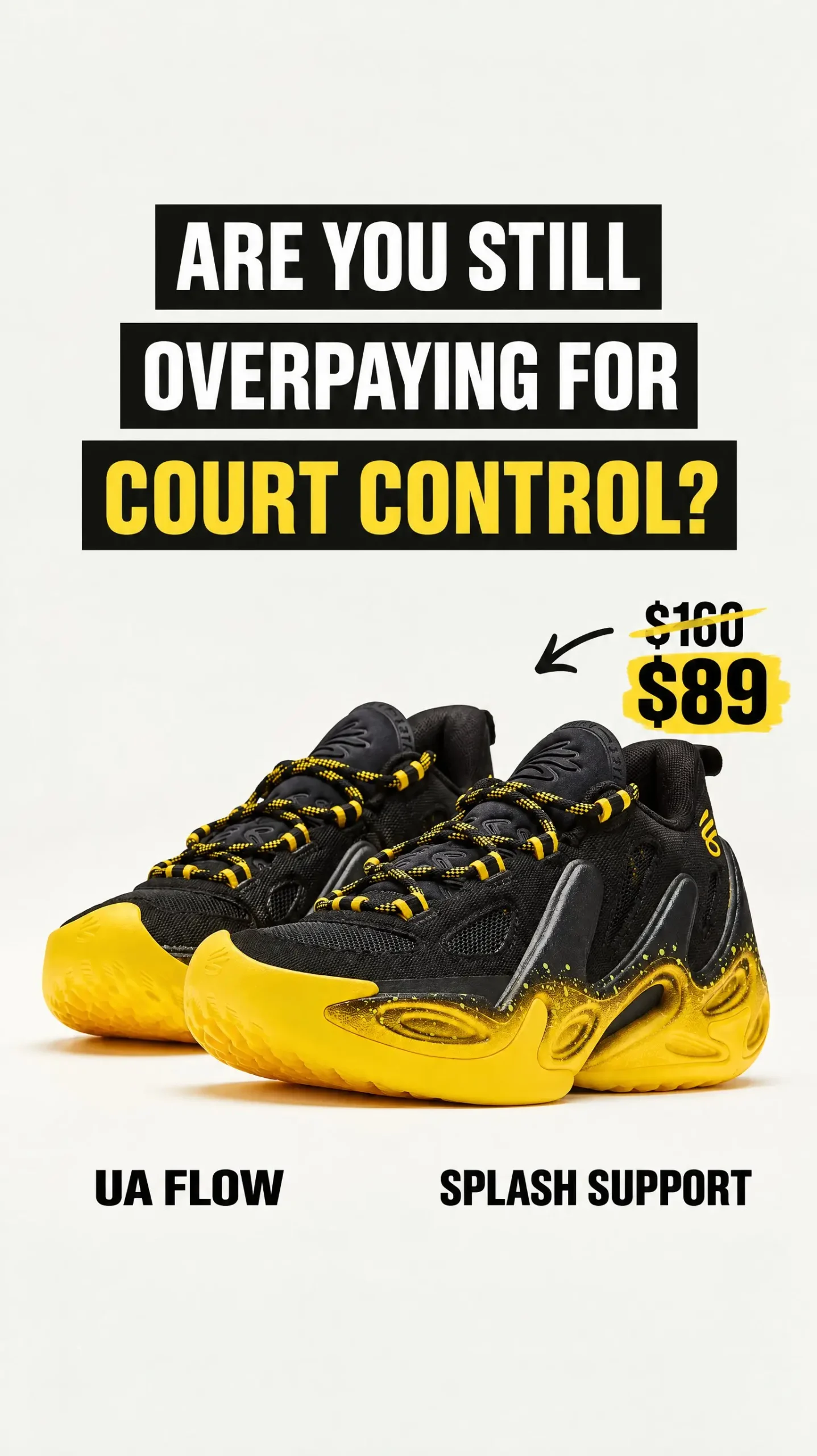
“This normally costs $60, but this week it’s $19.”
“Buy one, get one free ends tonight.”
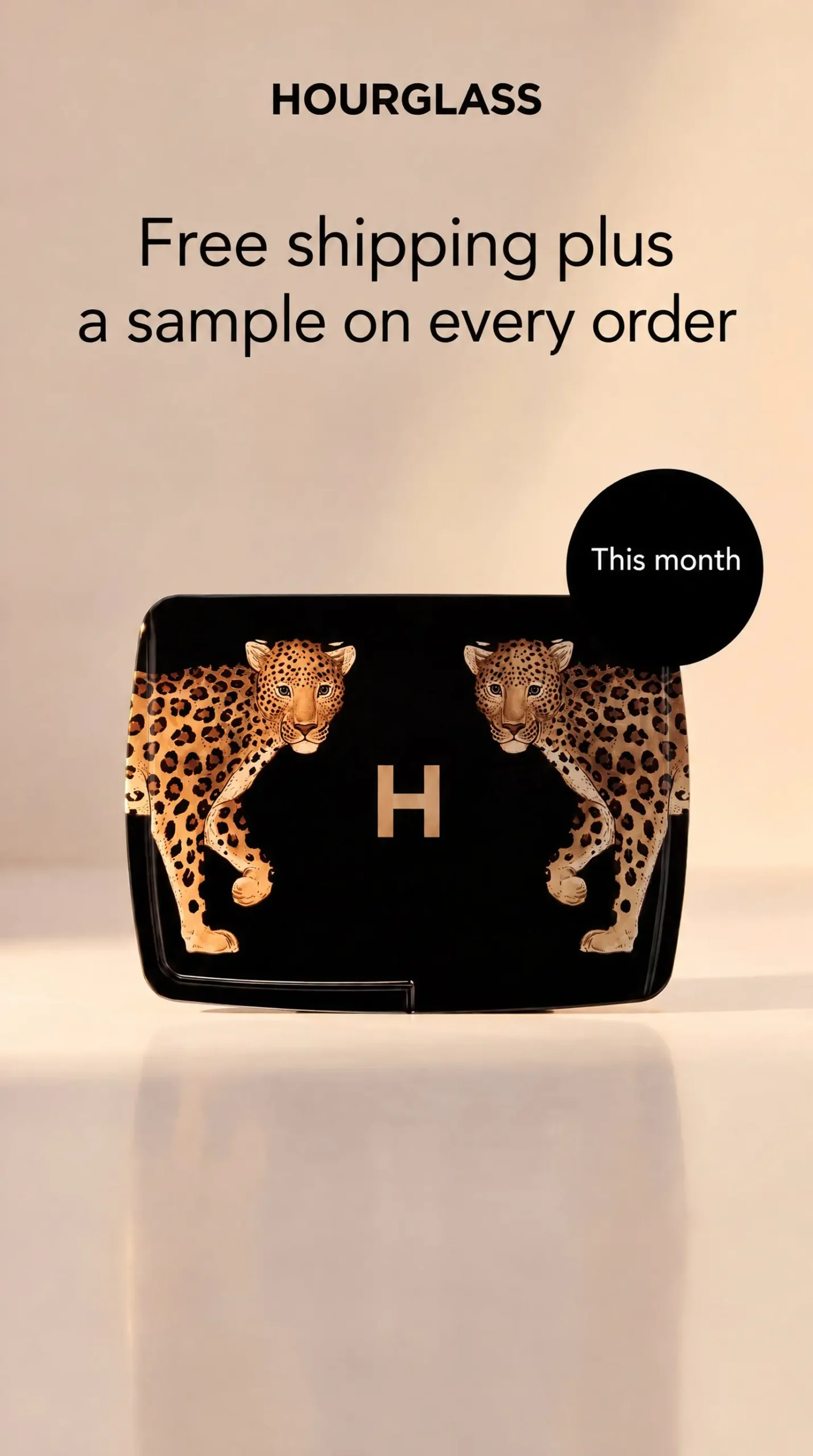
“Free shipping plus a sample on every order this month.”
Before-and-after hooks
Put the result on screen first. Two seconds, no explanation. Then show how you got there.
Examples:
- “Left is Monday. Right is Thursday. Same skin.”
- “This is my kitchen before this one product.”
- “Same shirt. Different iron. Look at the collar.”
The before and after do all the work. Nobody needs to read the caption to understand what happened. Beauty, home, cleaning, fashion: test this format first.
TikTok ad hook examples by niche and use case
Pew Research, March 2026: 37% of U.S. adults on TikTok. Five years earlier that was 21%. For the under-30 group, 63%. These are people who grew up scrolling. A display-ad opener won’t register.
Swap your product into the scripts below, add proof, end with a CTA.
Beauty TikTok hooks for products
- “My makeup kept separating, so I changed one step.”
- “I look like I slept eight hours. I didn’t. Here’s the cheat.”
- “I tried the viral glow test on my own face.”
- “If your concealer creases, watch this side first.”
- “Full routine versus one step. Here’s what the difference actually looks like.”
- “This is the routine I’d do before a photo day.”
- “I didn’t expect this shade to work on me.”
How to shoot #1:
Say: “My makeup kept separating, so I changed one step.” Show: Close-up of patchy, separated foundation on skin. Creator’s hand enters frame holding the product. Text: “Kept separating by lunch.”
How to shoot #5:
Say: “Full routine versus one step. Here’s what the difference actually looks like.” Show: Split the frame. On the left, a counter covered in bottles and tubes. On the right, just one product. Then cut tight to the skin so the viewer can judge for themselves. Text: “Full routine vs. one step.”
Fashion TikTok video ad hooks
- “POV: you need one outfit for three different plans.”
- “This bag looks small, but watch what fits.”
- “I found jeans that don’t gap at the waist.”
- “Three ways I’d style this under $50 piece.”
- “Put these two tees side by side. Same color. Watch how they sit differently.”
- “I wore this set for errands and dinner.”
- “If you hate stiff workwear, try this instead.”
How to shoot #2:
Say: “This bag looks small, but watch what fits.” Show: Bag on table, empty. One item per cut: laptop, bottle, charger, pouch. Zip the bag. Text: “Looks tiny. Fits all this.”
How to shoot #5:
Say: “Put these two tees side by side. Same color. Watch how they sit differently.” Show: Start wide, both tees flat, same color. Hold that wide shot. Then slowly zoom toward the shoulder or neckline, close enough that the drape difference is obvious without anyone pointing it out. Text: “Same color. Different fit.”
Home product TikTok ad hooks
- two seconds silence, then “That’s the same shelf.”
- “I cleaned the whole sink area in under a minute.”
- “If your drawer eats everything, watch this.”
- “Rental kitchen. Can’t change the cabinets. So I changed what’s on the counter.”
- “Same shelf. Everything kept falling over. One insert and now it holds.”
- silence, hands already working from frame one, then “That’s the whole setup.”
- “[Your sale price] for the set. Here’s what it looks like under the sink.”
How to shoot #1:
Say: two seconds silence, then “That’s the same shelf.” Show: Clean, organized shelf corner. Smash cut to the messy before version of the same shot from the same angle. Text: “Same shelf. One change.”
How to shoot #6:
Say: nothing at first, then “That’s the whole setup.” Show: Start mid-action. Extreme close-up of hands peeling adhesive backing off a drawer divider and pressing it into place. No face on screen, no intro. The task is already happening when the video starts. Text: “The whole setup.”
Service business TikTok hook scripts
- “Most clients call me after this mistake.”
- “Here’s why your quote might be higher than expected.”
- “Before you book anyone, check these three things.”
- “I’m going to show you what a rushed job looks like.”
- “If your project is running late, look at the schedule before you blame the crew.”
- “This is what I’d ask before hiring a pro.”
- “One small fix can prevent a much bigger bill.”
How to shoot #4:
Say: “I’m going to show you what a rushed job looks like.” Show: Someone follows you with the camera as you approach a wall, pipe, or finished surface. The flaw should be in frame before you acknowledge it. Let the audience see it first. Text: “This was rushed.”
How to shoot #5:
Say: “If your project is running late, look at the schedule before you blame the crew.” Show: Desk or job site. Phone in hand, scrolling through dates. A clipboard works too. It should look like a real between-tasks moment, not a staged scene. Text: “Check the schedule first.”
Apps and SaaS TikTok hook ideas for ads
- “I used to do this manually every Friday.”
- “I type the same client reply over and over. Or I used to.”
- “If your team loses leads, check this screen.”
- “Here’s how I plan a week in 20 seconds.”
- “I tested the free version before upgrading.”
- “Watch what happens when I open my app on Monday morning.”
- “I skip past most of this. Here’s where I actually start.”
How to shoot #35:
Say: “I skip past most of this. Here’s where I actually start.” Show: Screen recording of a complex software dashboard. Cursor moves quickly past multiple panels, then clicks into one specific simple view or tab. Text: “I start here.”
TikTok video opener ideas: pacing, captions, and safe zones
A hook can be brilliant on paper and still flop because the on-screen text is too small to read on a phone, or the first cut happens two seconds too late.
First frame formula for TikTok ad hooks
Use this layout:
Top third: short context line. Center: product or face. Bottom third: keep clear for captions and CTA. Right edge: keep clear for buttons and icons.
Good on-screen text examples:
- “This fixed my 3 p.m. skin crash”
- “I timed the setup”
- “I tried the cheaper one”
- “This is why your ads look like ads”
- “Before you buy the big version”
A five-word caption gets read. A twelve-word one gets skipped.
Subtitle timing that keeps the hook readable
Put the caption up before anyone speaks. I’ve watched ads where the text doesn’t show until the voiceover is halfway through the first line. By then the viewer is gone.
Timing I follow:
- Caption appears at 0.0 seconds
- Voiceover starts by 0.5 seconds
- First cut lands by 1.5 seconds
- Product proof appears by 3 seconds
One thing that kills hooks fast: the text on screen says “oily skin” and the voiceover is talking about something else entirely. The viewer’s brain splits. They don’t pick one. They leave. More on this in hooks that sell.
Cut speed for native TikTok video hooks
In the first six seconds, you want two to four visual beats.
Example:
- Beat 1: messy problem
- Beat 2: product enters
- Beat 3: close-up demo
- Beat 4: early result
Don’t cut so fast that the product disappears. The product needs to be visible enough for the viewer to understand what’s being sold. See also video hooks that sell.
6-second script storyboard
- 0 to 1 second: close-up of problem. On-screen text: “This kept happening”
- 1 to 3 seconds: product enters. Voiceover: “So I tested this”
- 3 to 5 seconds: proof shot. On-screen text: “Before vs after”
- 5 to 6 seconds: tease what comes next. Voiceover: “Here’s what surprised me”
CTA timing for TikTok ads without killing the hook
A CTA belongs after the viewer understands why the product matters. Show the value early, but save the ask for after the proof.
I would not open with “Shop now” unless the price itself is the hook.
CTA timing by ad length
For a 9-second ad:
- 0 to 3 seconds: hook
- 3 to 6 seconds: proof
- 6 to 9 seconds: CTA
For a 15-second ad:
- 0 to 3 seconds: hook
- 3 to 10 seconds: demo or reason
- 10 to 15 seconds: CTA and offer
For a 30-second ad:
- 0 to 3 seconds: hook
- 3 to 15 seconds: story, demo, proof
- 15 to 24 seconds: objection or comparison
- 24 to 30 seconds: CTA
Native CTA examples for TikTok ads
The CTA has to sound like it belongs in the same video. I’ve seen ads where the first 12 seconds feel like a real person talking and then the last line is “Shop now, limited time offer.” Kills everything you built.
Good examples:
- “I linked the exact one I used.”
- “Try it before your next busy morning.”
- “Start with the smallest size first.”
- “Save this before your next client call.”
- “Check the color chart before ordering.”
For services:
- “Book the quick check first.”
- “Send the photo before you guess.”
- “Start with the free quote.”
For apps:
- “Try this with one workflow first.”
- “Test it on your weekly admin task.”
- “Use the free version before you commit.”
Too polished vs native TikTok comparison
| Too polished | Native |
| “Introducing the ultimate productivity solution for busy teams.” | “I used to lose 20 minutes every morning finding the same update.” |
| “Transform your skincare routine with our advanced formula.” | “My foundation kept peeling until I changed this step.” |
| “Upgrade your home with our premium storage organizer.” | This drawer made me angry every morning.” |
The native line puts you in someone’s actual morning. The polished one? Sounds like a product page wrote it.
Mistakes that make TikTok ads feel like ads
I see it constantly. The brand has a perfectly good Meta caption. They paste it into TikTok. It tanks. Meta copy doesn’t translate to TikTok. Different platforms, different tone.
TikTok Creative Center is free and you should use it before writing hooks. Filter by region and vertical. Spend 15 minutes watching top ads. What passed for native six months ago might already sound stiff. For a step-by-step walkthrough of Top Ads and other ad libraries, see our guide to spying on competitors’ ads.
Mistake 1: the first frame is a product packshot
A product-only first frame can work, but only if something happens.
- Weak: product on white background
- Better: product entering the messy scene it fixes
- Best: product used in a clear before-and-after moment
Mistake 2: the hook uses ad language
Avoid lines like:
- “Say goodbye to…”
- “Meet the revolutionary…”
- “Unlock your full potential…”
- “Take your business to the next level…”
You can hear the landing page in every one of those.
Use plain speech instead:
- “I kept buying the wrong one.”
- “This took less time than I expected.”
- “Here’s what I wish I knew first.”
- “I tried this because the expensive one failed.”
Mistake 3: the caption repeats the voiceover too late
Caption shows up after the hook? Too late. The overlay should be doing half the work from frame one.
Example of this done right:
On-screen text: “I tested this on oily skin.” Half a second later, the voiceover: “I wanted to see if it would last past lunch.”
The caption sets context. The voice adds texture.
Mistake 4: the ad looks too clean for the format
TikTok doesn’t punish quality. It punishes distance.
Everything looks too controlled? Throw in something unplanned:
- A hand enters the frame
- A real room stays visible
- The creator reacts naturally
- The product is used, not posed
- The first line sounds unscripted
Clean is fine. Lifeless is not.
Mistake 5: one hook gets tested like it is the whole idea
One hook can fail for many reasons. The idea may still be good.
Test three hook directions before killing the concept:
- Problem hook
- Demo hook
- Creator recommendation hook
All three failed? Then stop touching the hooks. Something is off with the offer or the product angle.
Test TikTok ad hooks in batches with Zeely AI
One hook at a time teaches you almost nothing. Batches of three to five show you which format actually stops the scroll.
Emplifi’s 2026 report: 73% of marketers plan to focus on short-form video, and 82% say AI tools improved how much they get done. The winners aren’t spending a week on one perfect ad. They’re making more variations.
Creative roadmap for TikTok ad hooks
Make 9 hook variations from one product:
- 3 problem hooks
- 3 demo-first hooks
- 3 creator recommendation hooks
Product, offer, landing page: all nine use the same ones. The only thing changing is the opening angle and the first six seconds.
You’ll see whether your buyer responds to pain, proof, or trust. When one direction wins, scale it within your CPA limit before testing the next batch. Read also how to get more followers on TikTok.
How I’d build hook tests with Zeely
Zeely handles the whole thing: creating the ad, launching it, scaling what performs. One platform, not five tabs. That’s what makes batch hook testing realistic when you’re running the whole business yourself.
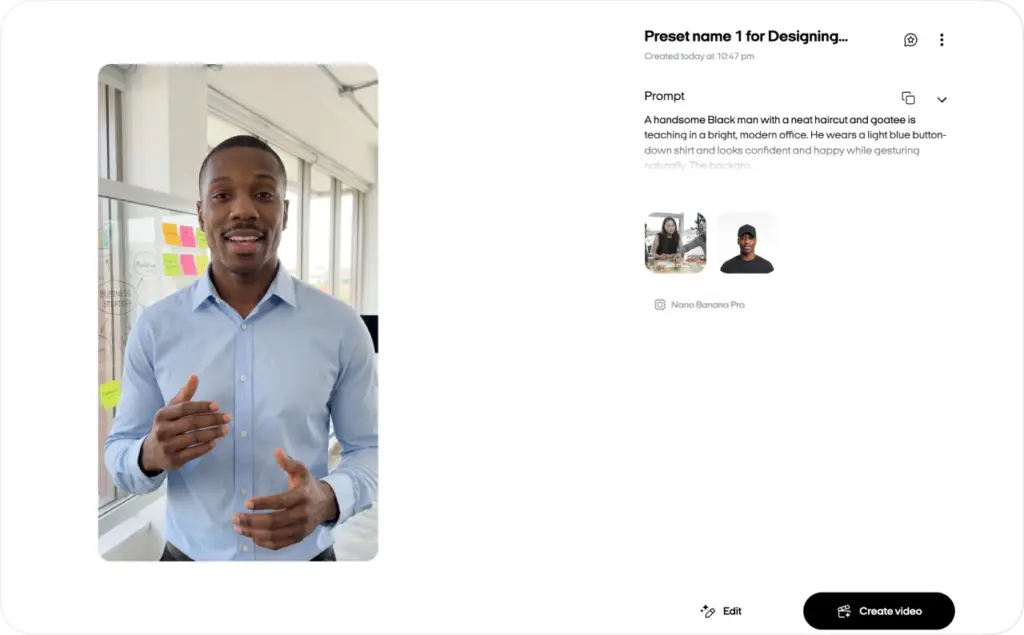
Paste a product page link to get started. Zeely pulls the product details, images, and pricing automatically.
Then match the workflow to the hook you’re testing:
Demo hooks → open the Video ad builder. Add a product photo, choose a reference, pick an AI avatar. Zeely builds a start image and video from your script. You decide whether to generate the Full video ad, just the Hook, or just the Body.
Creator recommendation hooks → same Video ad workflow, but the avatar choice matters more. Over 1,200 in the library. Filter by age, gender, style. The goal is to pick a face your customer would trust taking advice from. Write the script or auto-generate it, then dial in voice, captions, headline.
Visual experiments → Playground. No rules here. Give it a prompt, upload a reference image, or feed in a clip you already filmed. Playground builds something new from whatever you provide. Pick from Kling 3.0, Seedance 2.0, or Seedance 2.5. Up to 4K, 10 to 30 seconds per video.
From there you can post directly to TikTok or Instagram via Social posting. Or set up a paid campaign through Meta campaigns. Zeely handles the audience, budget, and setup flow so you don’t have to open Ads Manager.
Don’t know where to start? Open the AI Agent, type / to see available Skills. I usually go with Ad Copy or Headline Generator. Attach the product, describe the hook angle you want, and the Agent produces drafts you can rework.
Sources
- TikTok — Creative best practices for performance ads
- TikTok Creative Center — Top ads, hashtags, and creative trends
- TikTok & CreatorIQ — Data-backed keys to success for advertisers
- Pew Research Center — 8 facts about Americans and TikTok (March 2026)
- Emplifi — The State of Social Media Marketing 2026
Fact checked by Olha Zaporozhets
FAQ
The very first thing that happens. Could be text, a voice, a visual, all three layered. It decides whether the viewer watches or scrolls. TikTok’s data: 90% of ad recall is set by second six.
1 to 3 seconds. TikTok says proposition by 3, hook by 6. If second three arrives and the viewer doesn’t get what the ad is about, they’ve already scrolled.
Combine them. Product on camera doing something real, plus a text caption naming the problem. Two signals. Add voice and that’s three. Text without audio can work when the visual already tells the story. Voice without text can work, but only when the speaker doesn’t sound like they’re performing.
Something that disrupts the scroll. A recognizable problem. A real face showing up early, which TikTok’s data ties to 50% higher hooking power and 32% better recognition. Unfiltered demos and “here’s the one I’d pick” recommendations also work because the viewer treats them like organic content instead of advertising.
Three per product, bare minimum. Problem, demo, creator recommendation. Lock the product, offer, and landing page across all three. You’re only testing the opener. If all three bomb, the hooks aren’t your issue. The offer or the product framing needs a rethink.