5 best AI image models for product ads in 2026
Which AI image model can keep your product accurate while still making an ad people notice? I’m Emma from Zeely, and I compared the leading models by product fidelity, editing control, text quality, speed, cost, and real ad usefulness.
- GPT Image 2 is the strongest overall choice when final image quality, prompt following, and editing matter most.
- Nano Banana 2 is the better everyday pick for fast product variations, localized ads, and lower-cost iteration.
- Nano Banana Pro suits complex hero images.
- FLUX.2 Pro gives developers strong control at a lower API cost.
- Ideogram 4.0 is the clearest choice for text-heavy image ads.
For most small businesses, using several raw models is less practical than creating ads through one connected platform such as Zeely.
Demand is already established. Nielsen reports that 47% of companies use AI for content creation, while 43% use it for creative evaluation.
The right model depends on the job. A skincare brand may need accurate packaging and natural skin texture. A software company may care more about readable interface text. An ecommerce seller may need twenty seasonal backgrounds before Friday.
This guide compares the best AI image models for product ads by those practical needs, not by demo-image hype.
How I ranked the best AI image models for product ads
I ranked each model using six ad-specific criteria:
- Product fidelity: Does the product retain its shape, color, materials, logo, and packaging?
- Editing control: Can you change one detail without rebuilding the whole scene?
- Text rendering: Can the model produce readable headlines, labels, and offer text?
- Reference consistency: Can it keep the same product across several creative versions?
- Production speed and cost: Can a small team make enough variants to test?
- Commercial fit: Are the access, licensing, and workflow terms suitable for advertising?
Independent benchmarks still help when they are used carefully. As of July 23, 2026, the Artificial Analysis text-to-image leaderboard ranks GPT Image 2 first for image-generation quality. Its separate editing leaderboard also places GPT Image 2 first, with Nano Banana 2 close behind.
Those rankings come from blind user preferences. They do not prove that a generated bottle, label, material, or product color stayed exact.
For the wider model landscape, read Zeely’s guide to AI models for ad creative generation. This page stays focused on image-model buying decisions.
Best AI image models for product ads at a glance
| AI image model | Best product-ad use | Main strength | Cost profile | Main limitation |
| GPT Image 2 | Final product ads and complex edits | Top overall quality and instruction following | High | Expensive for large draft batches |
| Nano Banana 2 | Fast variations and ecommerce scenes | Speed, consistency, conversational editing | Medium | Fine packaging details still need review |
| Nano Banana Pro | Premium hero images | Complex compositions and polished detail | High | Slower and costlier than the Flash model |
| FLUX.2 Pro | Controlled API workflows | Strong editing with competitive API cost | Low to medium | Less convenient for nontechnical users |
| Ideogram 4.0 | Text-heavy social and display ads | Typography and graphic composition | Medium | Product preservation is not its only focus |
Artificial Analysis estimates standardized API costs at about $211 per 1,000 high-quality GPT Image 2 outputs, $67 for Nano Banana 2, $134 for Nano Banana Pro, and $30 for FLUX.2 Pro. These are 1024-pixel comparison estimates, not guaranteed app or subscription prices.
Check each provider’s live pricing before budgeting a large production batch.
GPT Image 2 leads when product ad quality comes first
GPT Image 2 is my best overall pick for finished product-ad visuals. Its strongest advantage is not one visual style. It is the model’s ability to understand a layered request and keep working through revisions.
You may need the original bottle shape, a warmer scene, readable offer text, natural reflections, and room for a headline. GPT Image 2 handles that compound direction better than most lower-cost models.
Use it for:
- Final social ads with several visual requirements
- Product-in-use scenes that need believable context
- Packaging mockups with short readable text
- Complex edits involving lighting, layout, and object placement
- Multilingual ad concepts before a designer rebuilds the final file
Its cost makes more sense for finalists than loose background exploration. I would first settle the offer, audience, and visual direction using a cheaper model. GPT Image 2 can then refine the concept that deserves more production work.
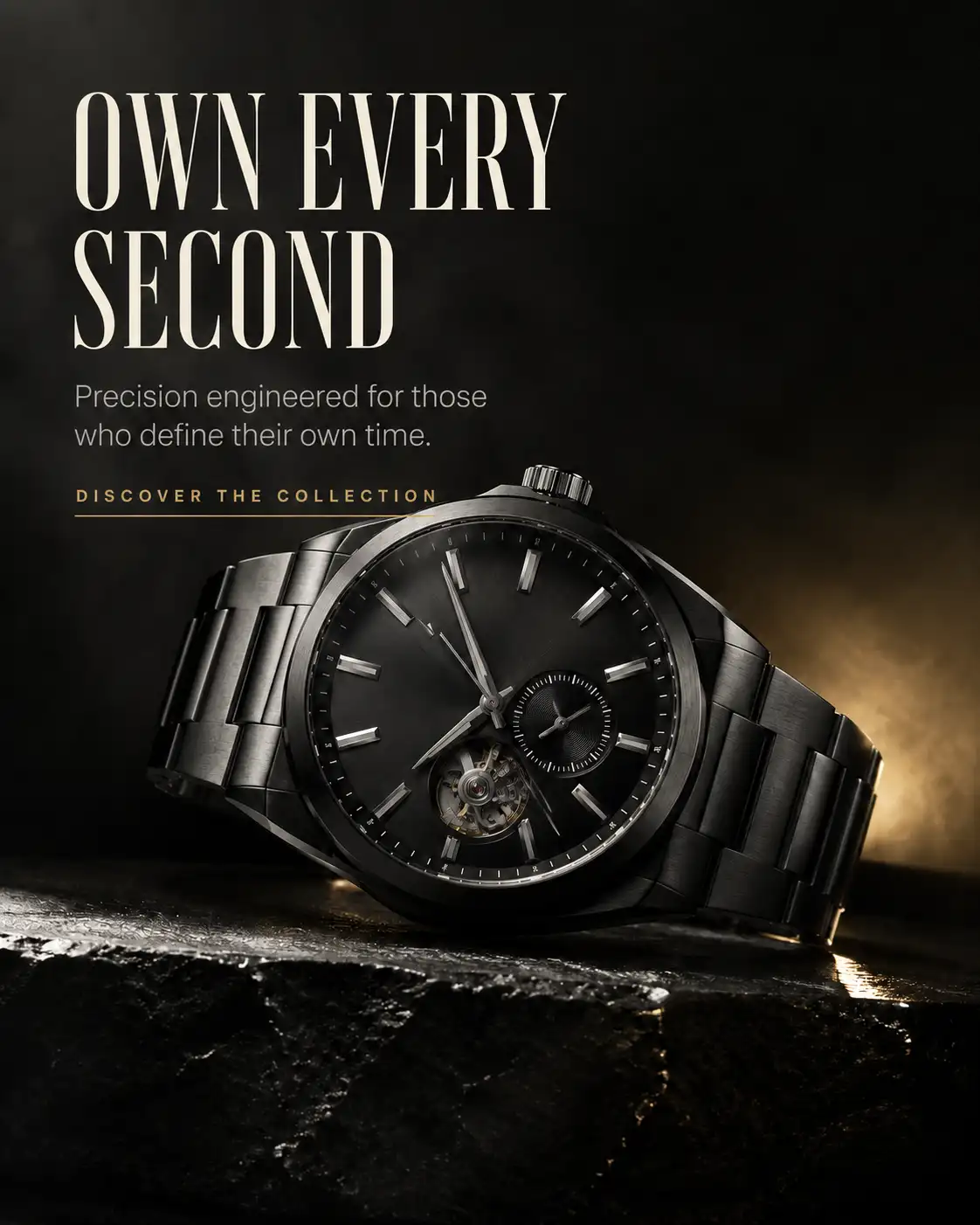
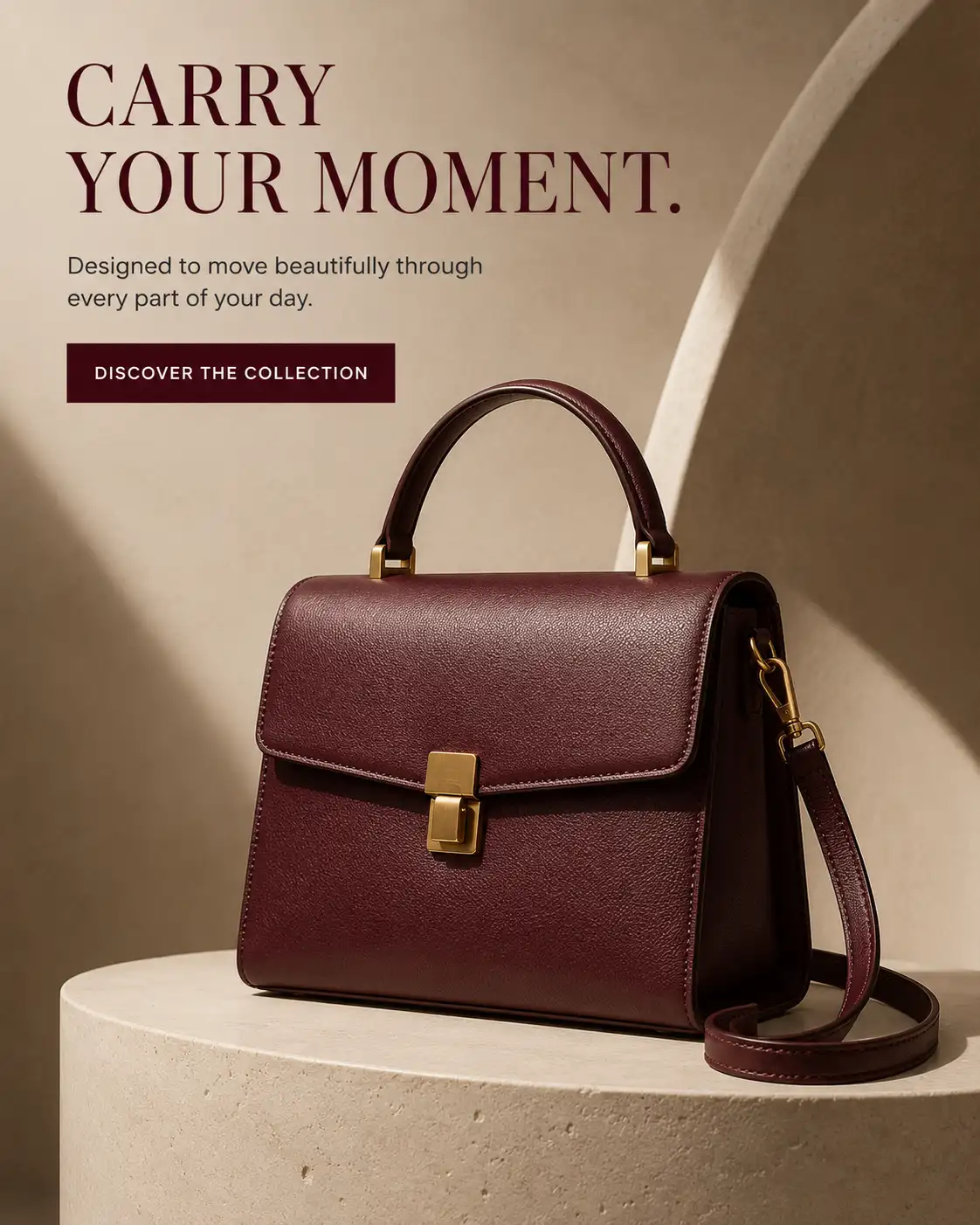
Nano Banana 2 wins for fast product ad variations
Nano Banana 2, officially Gemini 3.1 Flash Image, is the strongest everyday option for teams that need speed without dropping too far from premium quality.
Its real strength is iteration across studio scenes, lifestyle settings, camera changes, and localized versions.
I would choose Nano Banana 2 for:
- Ecommerce lifestyle images from one product photo
- Seasonal and location-based ad variations
- Fast background replacement
- Carousel concepts that reuse the same product
- Localized creatives with different languages or offers
- Early tests before a premium final render
Nano Banana 2 also makes more financial sense when volume matters. Its standardized benchmark cost is far below GPT Image 2 high quality, which gives small teams more room to explore several visual angles.
A small label, cap shape, ingredient line, or texture can still change. Treat the output as ad creative, not product evidence.
Zeely’s dedicated guide to Nano Banana 2 for ad creatives covers its workflow, family naming, use cases, and QA checks.
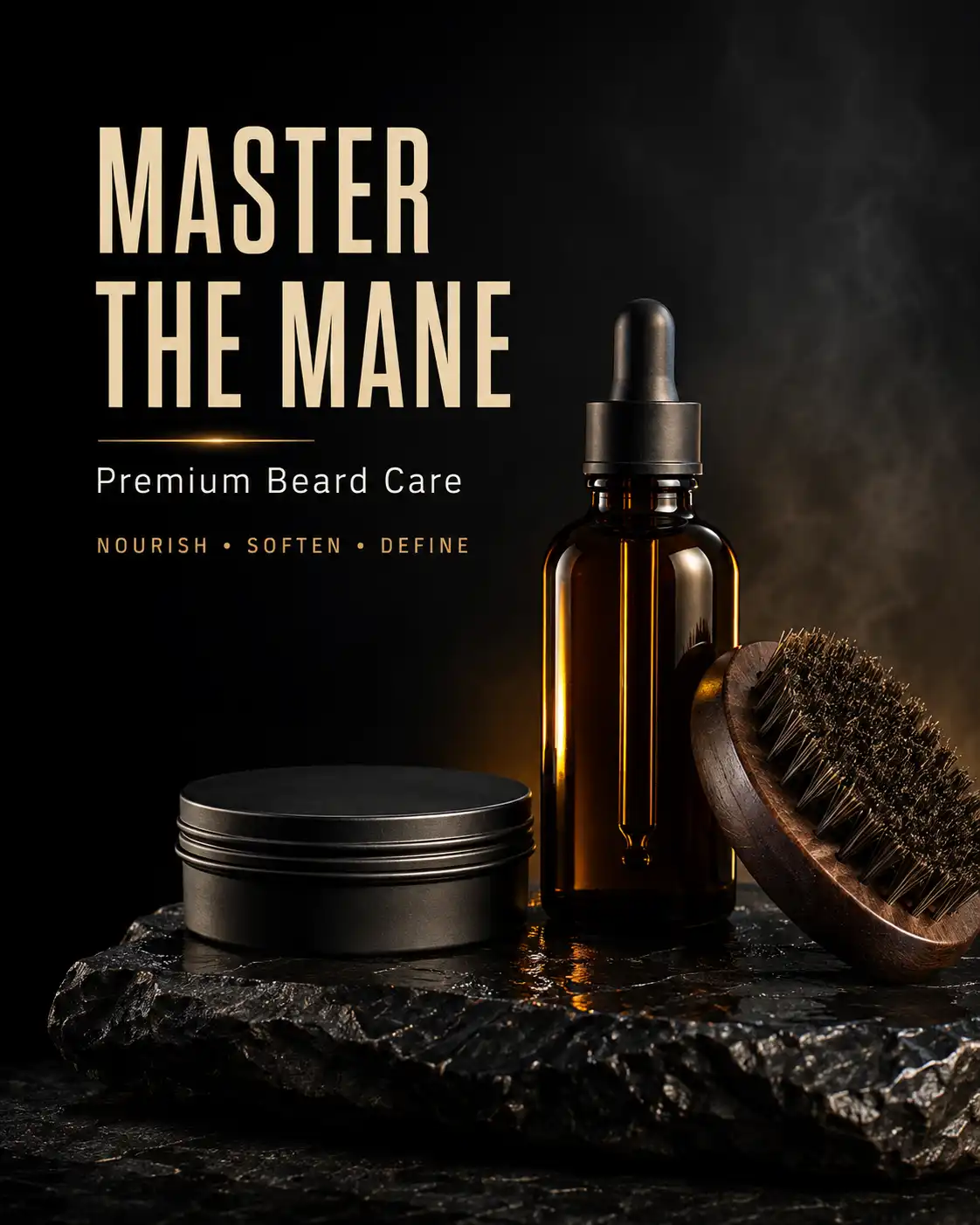
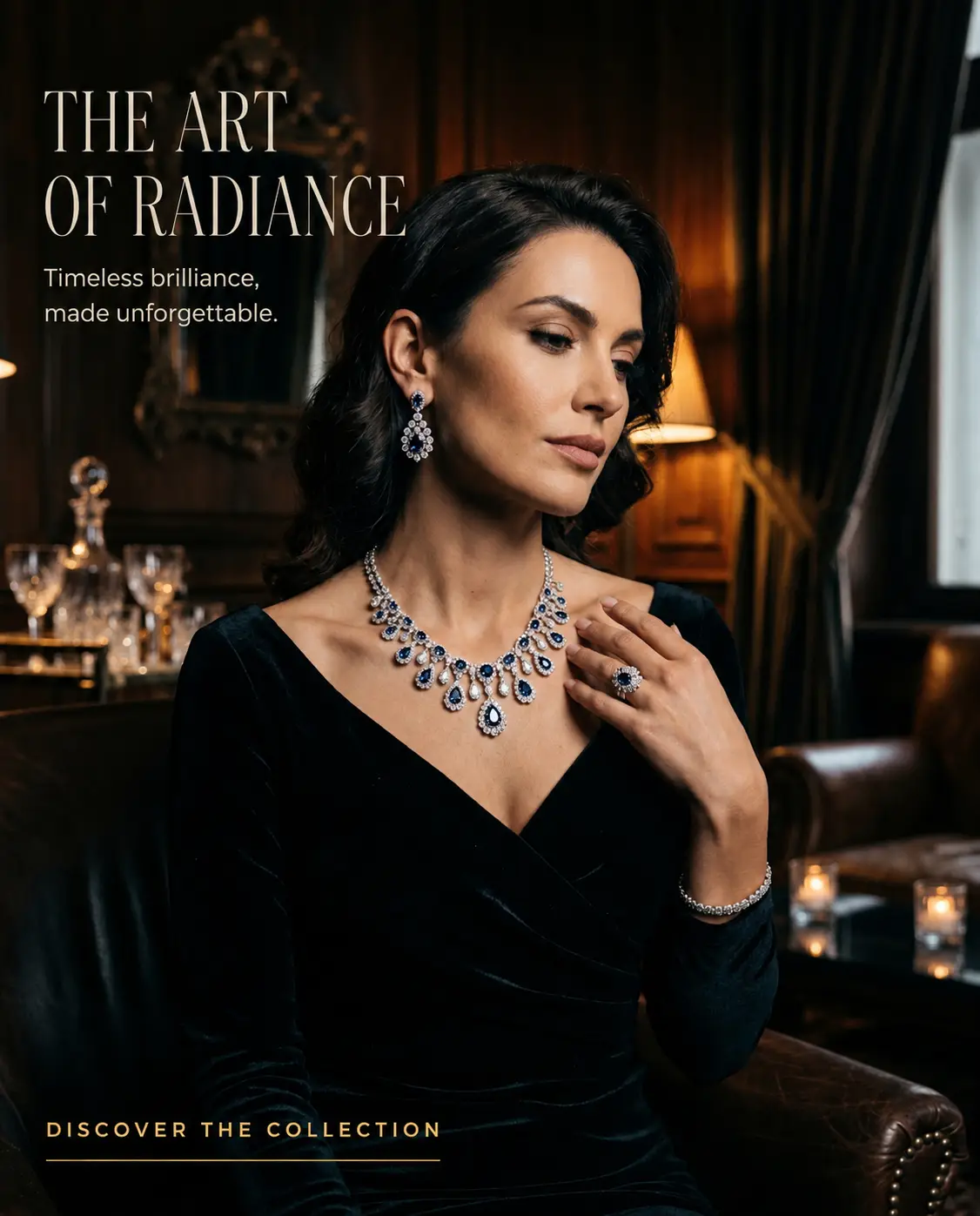
Nano Banana Pro fits premium product hero images
Nano Banana Pro, based on Gemini 3 Pro Image, is the better Google option when the scene is complicated and the final asset matters more than generation speed.
It has more room than the faster Flash model to handle several products, controlled lighting, realistic materials, and detailed composition.
Use it for:
- Homepage hero visuals
- Launch campaigns with several products
- Premium beauty, food, fashion, or home scenes
- Detailed compositions that combine references
- High-value creative where fewer revisions matter more than cheap volume
Use it after the direction is clear, not as the default for every draft. Most ad campaigns need several variations before they need one expensive masterpiece.
Our Nano Banana vs Nano Banana 2 vs Pro comparison tells the exact feature differences, generation settings, and prompt examples.

Flux.2 Pro gives product teams precise editing control
Flux Kontext Pro became popular because it could edit an existing image through direct instructions while preserving much of the original context. It remains relevant for teams with established FLUX.1 Kontext workflows.
FLUX.2 Pro is a strong fit when you need:
- API-based product-image generation at scale
- Several reference images in one generation
- Controlled background, lighting, and color changes
- Predictable dimensions and output formats
- A lower generation cost than premium OpenAI or Google modes
Its main advantage is control per dollar, especially for teams building repeatable API workflows. Developers can standardize image inputs, prompt structures, dimensions, seeds, and export formats.
It is less convenient for founders who simply want a finished ad. The model produces or edits the visual, but it does not automatically provide the ad copy, layout, placement format, CTA, or testing workflow.
Ideogram 4.0 is best for text-heavy product ads
Many image models create beautiful backgrounds and then ruin the ad with misspelled text. Ideogram has built its reputation around typography, layout, logos, posters, and graphic design.
The current Ideogram 4.0 documentation highlights clearer in-image text, stronger prompt fidelity, editing, background control, style control, and custom brand models.
That makes it especially useful when the words are part of the creative concept. A product ad may need a short headline, price badge, event date, flavor name, or promotional phrase integrated into the image.
Choose Ideogram for:
- Sale graphics and promotional posters
- Product ads where typography carries the idea
- Packaging concepts and branded mockups
- Social images with short headlines
- Print-on-demand and merchandise concepts
Read every generated word at full resolution. A correct-looking headline can still contain spacing, punctuation, trademark, pricing, or capitalization errors. Editable text layers remain safer than flattened AI typography.
Ideogram is a specialist pick, not the universal winner. GPT Image 2 or Nano Banana 2 may preserve a reference product more reliably across complex edits. Ideogram often wins when graphic composition and readable words matter most.
Nano Banana vs GPT Image 2: Which one should you choose?
The Nano Banana vs GPT Image 2 decision comes down to the production stage.
Choose GPT Image 2 when the output is close to final, the brief has many constraints, readable text matters, and cleanup would cost more than generation. It is the safer premium pick for one carefully directed ad.
Choose Nano Banana 2 when you need speed, several product scenes, conversational revisions, localized versions, or a lower-cost creative batch. It is the better operating model for frequent ecommerce testing.
A practical workflow uses both:
- Start with Nano Banana 2 to explore five to ten visual directions.
- Select the strongest scene, offer, and composition.
- Rebuild or refine the finalist with GPT Image 2.
- Add editable copy, logos, legal text, and CTA elements in an ad tool.
- Test several finished variations instead of trusting one image.
GPT Image 2 leads current quality rankings, while Nano Banana 2 stays near the top at a lower estimated API cost.
This does not mean every brand needs both subscriptions. It means the two models fit different parts of production.
How to choose an AI product image generator
Searching for an AI product image generator often mixes two different products.
A foundation model generates or edits pixels. An ad platform turns product information into layouts, copy, formats, variants, and campaign-ready assets.
Start with the asset you need, not the most famous model name.
Choose by product-ad job:
- Clean studio image: Nano Banana 2 or FLUX.2 Pro
- Premium lifestyle scene: GPT Image 2 or Nano Banana Pro
- Text-led promotional graphic: Ideogram 4.0
- Custom API pipeline: FLUX.2 Pro
Recraft V4.1 is worth considering when you need design-led raster images, scalable vector output, logos, illustrations, or cleaner brand graphics. Its Utility version favors predictable compositions, while its Vector version focuses on typography and scalable illustrations.
Use high-resolution references with the full product, clean edges, readable packaging, and realistic color. Add more views when the back, side, cap, material, or scale matters.
Finally, calculate revision cost, not only generation cost.
A cheap model becomes expensive when your team must repair every label, shadow, hand, and logo. A premium model becomes wasteful when it generates early ideas that you never test.
Why Zeely is easier than managing several image models
Most small businesses do not need to learn which model version has the highest benchmark score this month. You need a usable ad for a real product, in the right format, with copy and variations ready for testing.
Zeely brings multiple AI capabilities into one ad workflow, so you do not have to manage several subscriptions or make every model decision yourself.
You can start with a product link or image, create static ad directions, generate copy and layouts, edit the result, and build a batch around the strongest offer. Zeely’s AI ad generator focuses on the finished advertising job rather than exposing a raw model endpoint.
Zeely’s product workflow includes product imports, static creative generation, prompt-based ads, batch creation, AI editing, copy assistance, formats, and campaign preparation.
A raw model can place your coffee maker in a bright kitchen. It will not automatically choose the headline, CTA, placement layout, or first test.
Readers comparing full platforms rather than foundation models should use the separate guide to the best AI static ad generators.

Final verdict on the best AI image models for product ads
GPT Image 2 is the strongest overall model for premium product-ad generation and editing.
Nano Banana 2 is the most practical choice for fast, repeated ecommerce work. Nano Banana Pro fits complex hero scenes. FLUX.2 Pro offers strong control and favorable API economics. Ideogram 4.0 wins for typography.
Product accuracy, copy, formatting, review, and testing decide whether the image becomes a useful ad.
For small businesses, Zeely brings those pieces into one connected workflow. You get access to strong AI creative capabilities without choosing, learning, and paying for several separate model versions.
FAQ
GPT Image 2 is the best overall choice for high-quality generation, complex instructions, and final image editing. Nano Banana 2 is often better for frequent product variations because it is faster and cheaper to iterate.
Nano Banana 2 is better for fast, high-volume product scenes and conversational edits. GPT Image 2 is better when final visual quality, text, and complex prompt following justify a higher cost.
Yes, especially in existing image-editing workflows. For new projects, Black Forest Labs recommends evaluating FLUX.2 Pro or FLUX.2 Flex as the newer default options.
They can preserve references surprisingly well, but no model guarantees exact packaging. Always review labels, logos, colors, dimensions, claims, and included accessories before publishing.
Not necessarily. A multi-model ad platform can simplify access and add the missing production steps, including product import, copy, layouts, formats, editing, and creative variations.
Commercial rights depend on the provider, model, plan, input assets, and local law. Review current terms, avoid unauthorized trademarks or likenesses, and keep proof for product and performance claims.
Emma blends product marketing and content to turn complex tools into simple, sales-driven playbooks for AI ad creatives and Facebook/Instagram campaigns. You’ll get checklists, bite-size guides, and real results, pulled from thousands of Zeely entrepreneurs, so you can run AI-powered ads confidently, even as a beginner.
Written by: Emma, AI Growth Adviser, Zeely
Reviewed on: September 1, 2026